On this page
A private-well UV system quote should answer two questions: what water problem the equipment treats, and what is included in making it operate reliably. The chamber’s catalog price does not include correcting the well, preparing poor-quality incoming water or building the plumbing and electrical arrangement.
SpringWell’s official listing currently gives a $1,100.50 UV equipment price and a $118.65 matching replacement bulb. Those prices were checked October 2026. They provide a manufacturer reference for the equipment and a recurring part, not a national installed-price range or proof that this system matches every well.
Key figures
- $1,100.50 SpringWell UV system, equipment before installation
- $118.65 SpringWell compatible UV replacement bulb
- 365 days SpringWell UV lamp replacement interval
The water test comes before the treatment purchase
CDC distinguishes disinfection from chemical removal: UV can reduce germs, while a UV treatment system does not remove chemicals. A proposal to solve every water problem with one lamp therefore needs scrutiny. Nitrate, arsenic or another chemical result requires treatment selected for that contaminant rather than relying on light alone.
EPA recommends annual private-well tests for total coliform bacteria, nitrate, total dissolved solids and pH, with further testing for local risks. It also recommends testing after repairing or replacing part of the well system. Use a certified drinking-water laboratory and preserve the results, sampling location and date.
The well-water testing guide helps keep routine testing and follow-up separate. Ask the contractor to identify which result the proposed equipment addresses and which results require other measures. A satisfactory appearance or absence of odor does not replace the laboratory information.
Discuss contamination and an interim water source with the public health department before relying on a new purchase. A lamp is not evidence that the contamination pathway has been corrected. Keep well repair, disinfection, treatment installation and follow-up testing as separate steps with their own responsibilities.
The manufacturer’s equipment prices reveal the recurring parts
| SpringWell official current item | Listed amount | Cost boundary |
|---|---|---|
| UV Water Purification System | $1,100.50 | Equipment listing, not installed total |
| Matching 15-GPM, 16.5-inch bulb | $118.65 | Replacement part |
| Matching 16.5-inch sleeve | $83.99 | Replacement part when required |
| Sediment canister and 5-micron filter option | $83.23 | Listed add-on, not a full water-quality solution |
Source: SpringWell’s own live UV product page and product-price metadata, checked October 2026. Prices are USD equipment amounts. The page’s matching-bulb option is $118.65; a category-page starting price for another variant is not substituted. Tax, installation, testing, electrical work and additional treatment are separate.
- UV water purification system$1,100.50
- 15-GPM, 16.5-inch replacement bulb$118.65
- 16.5-inch replacement sleeve$83.99
- Sediment canister and 5-micron filter$83.23
SpringWell official listings, checked October 2026. Equipment, replacement parts and optional sediment add-on; installation and other pretreatment excluded.
The UV system plus the listed sediment option totals $1,183.73 before those other costs. Adding a spare matching bulb and sleeve makes the equipment subtotal $1,386.37. A spare-parts bundle is optional stock; it is not the price of a mandatory new sleeve each year.
Ask which first lamp and sleeve arrive with the system so the estimate does not buy them twice. The seller should identify the installed model and matching replacement numbers. Different bulb lengths or flow-rated variants cannot be assumed compatible because they share a brand name.
Flow and incoming water quality limit the system’s claim
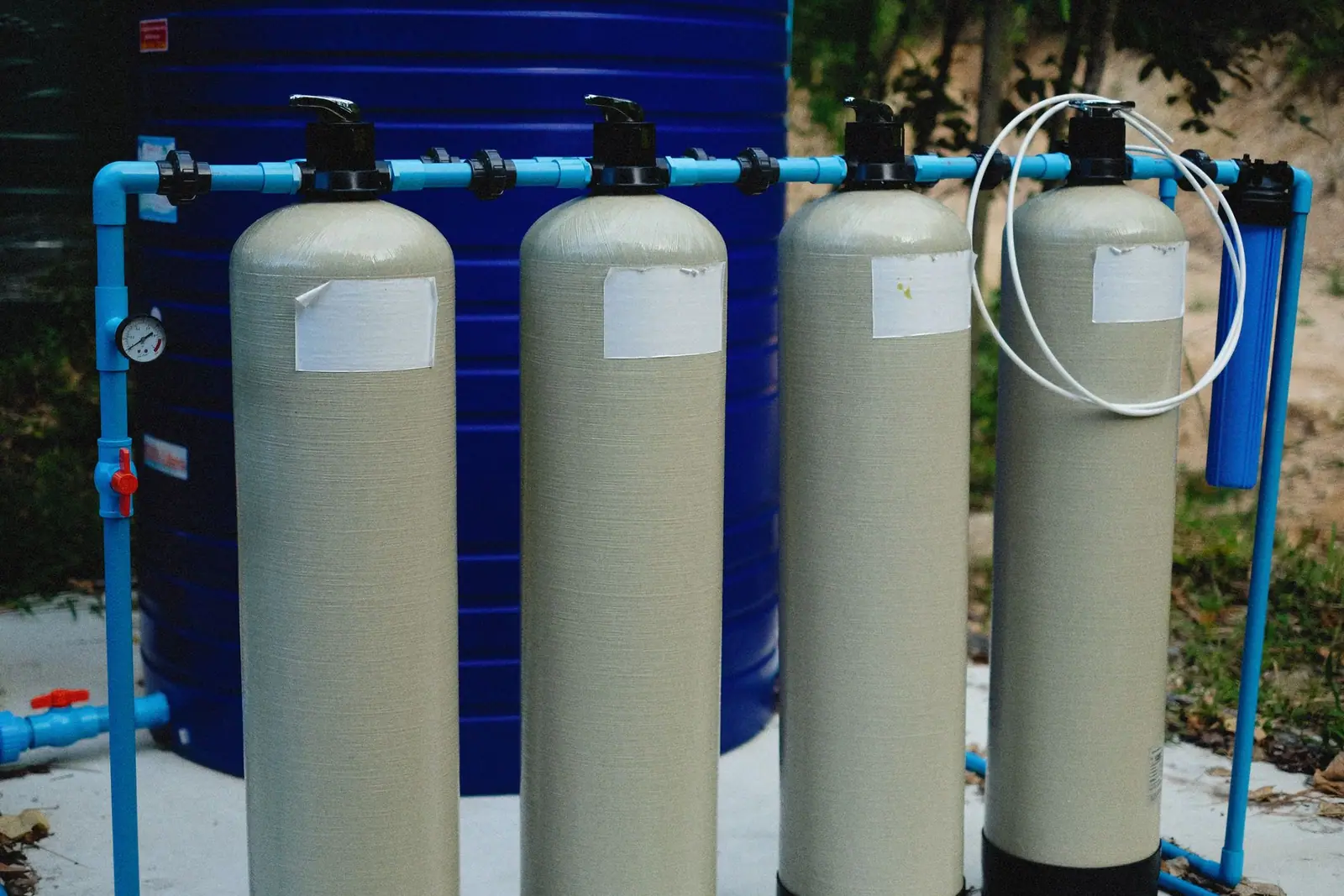
The product page lists 15 GPM service flow, a 1-inch male pipe connection and a chamber measuring 4 inches wide by 20 inches high. Those dimensions are equipment dimensions, not the entire service clearance needed to remove a lamp or sleeve. Require an installation layout that preserves access for maintenance.
The manufacturer also states operating limits, including hardness below 7 grains per gallon and iron below 0.3 ppm. Those are conditions for the cited equipment, not drinking-water health limits. Ask how the measured well water meets them and what treatment is required before the chamber if it does not.
CDC says filtering water before UV improves treatment effectiveness. A sediment cartridge’s micron rating should not be confused with proof that the incoming water meets every UV operating condition. Have the installer identify the full pretreatment arrangement from the laboratory results and manufacturer instructions.
For a hypothetical demand example, two simultaneous fixtures drawing an assumed 3 GPM each plus a 4-GPM appliance total 10 GPM. That arithmetic describes a possible flow load; it does not certify disinfection performance or select a model by itself. Verify the device’s specified treatment conditions rather than relying only on a large catalog flow number.
Annual lamps and operating costs belong in the five-year total
SpringWell specifies replacing the lamp every 365 days. A lamp that still glows is not authority to extend its disinfection service interval. Record the installation date, service indicator behavior and replacement schedule against the manufacturer’s instructions.
For an equipment-and-lamps illustration, assume the installed system includes its first lamp and four replacements occur at the ends of years 1 through 4. At a constant assumed future price of $118.65, those parts total $474.60. Add the $1,100.50 initial equipment amount for $1,575.10 across that five-year window, before installation, labor, other parts and electricity.
The constant price is an assumption, not a promise that future lamps cost the same. A replacement at the end of year 5 starts the next service period and is not silently added to four lamps in the stated window. Cleaning a reusable sleeve and replacing a damaged sleeve also have different costs.
For power budgeting, an assumed 50-watt continuous system uses 438 kWh over 8,760 hours. At an assumed $0.20/kWh that is $87.60 annually. This is a calculation for an invented load, not the published electrical rating of the SpringWell product. Use the selected model’s total input wattage and the utility’s variable rate for a purchase estimate.
Installation includes a safe response to loss of treatment
Ask where the chamber, prefilters, valves and controller will be fitted and who supplies the electrical connection. Identify any alarm, monitoring or automatic shutoff included with the proposed model. Do not infer a fail-closed arrangement from a statement that a lamp has smart alerts.
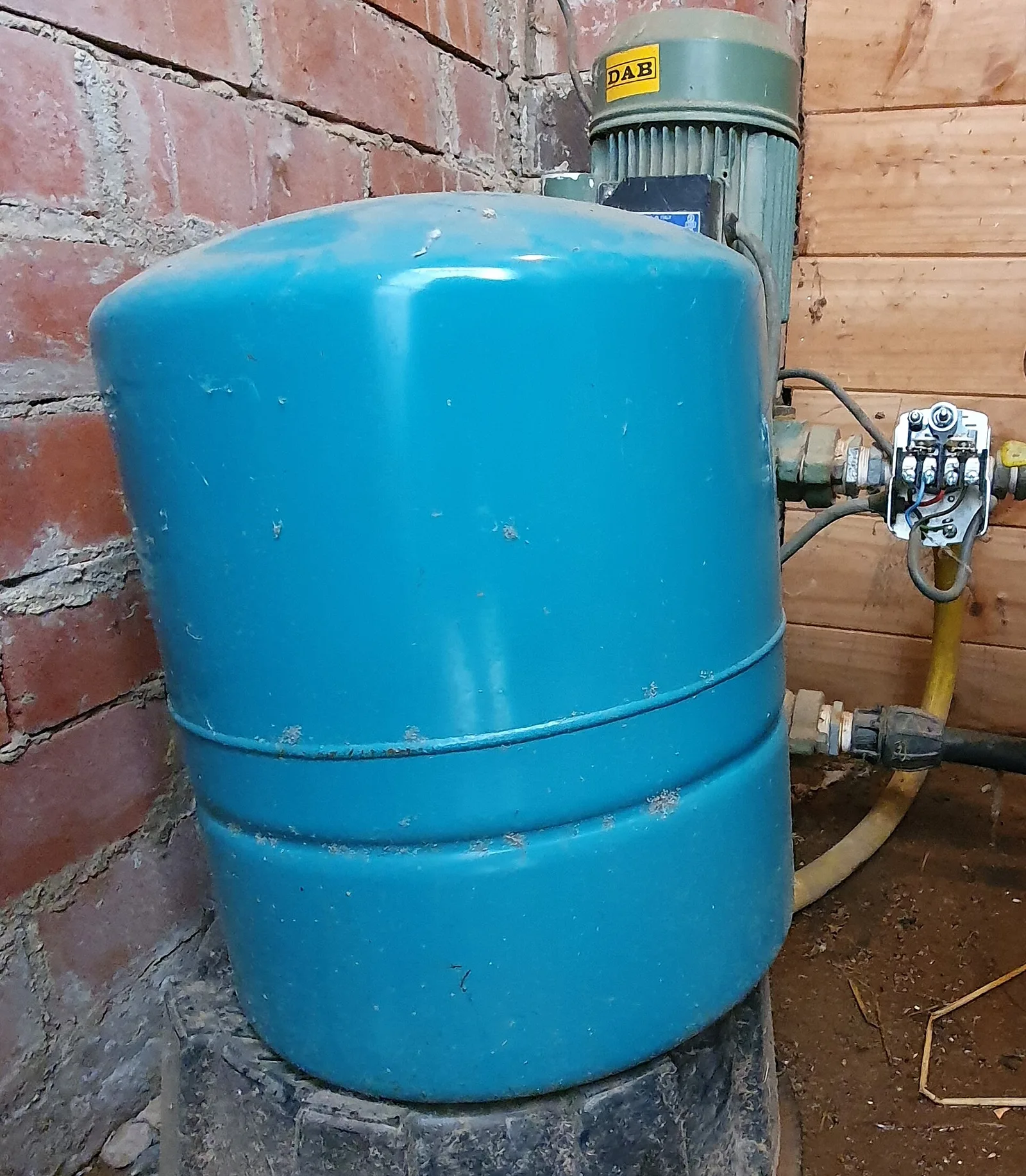
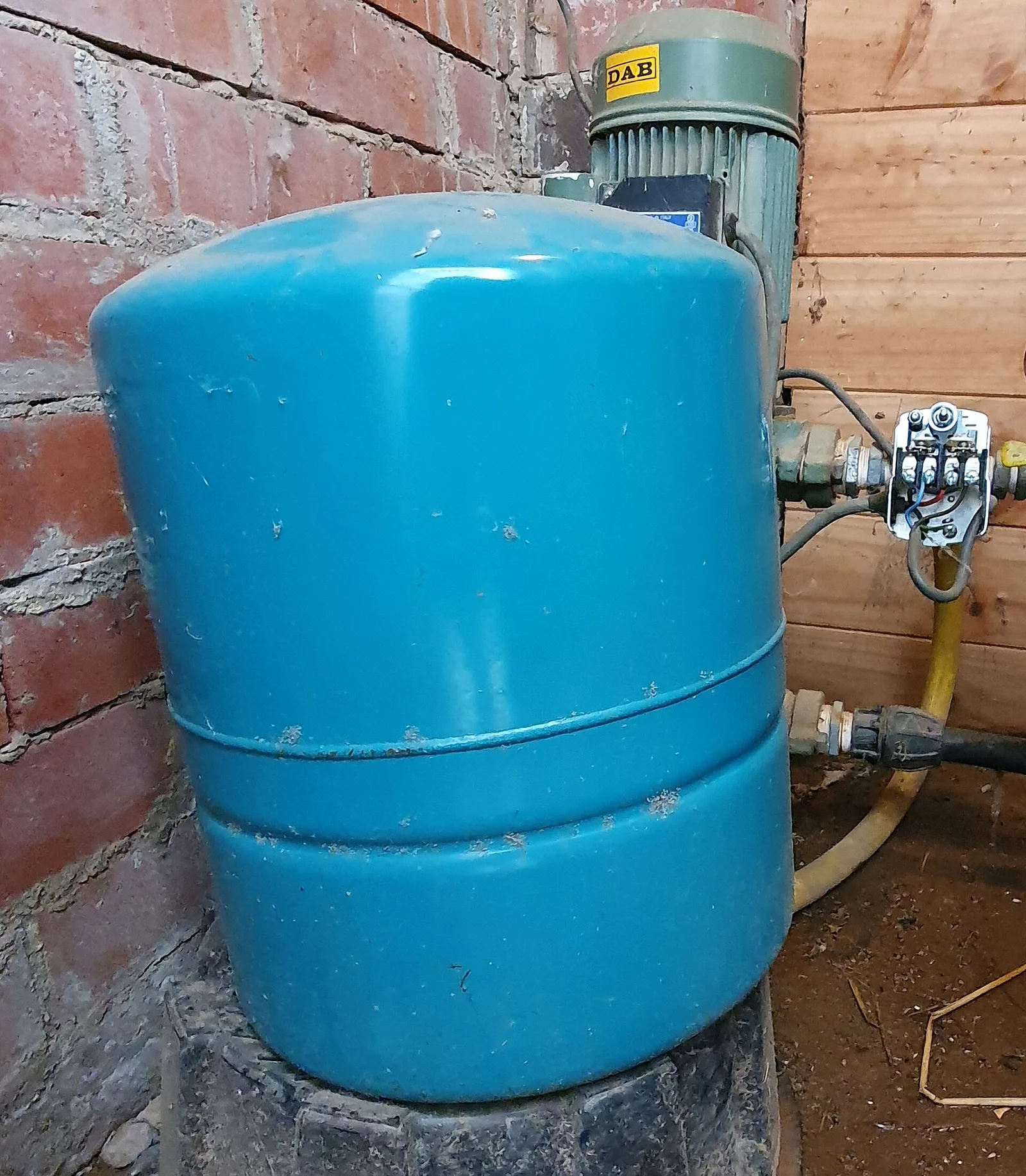
The pressure-tank replacement guide describes another part of the water system. A tank maintains pressure; it is not a substitute for treatment. Pipework altered during either job should be included in the testing and commissioning plan rather than treated as unrelated to water quality.
Follow the treatment manufacturer’s response instructions and the public health department’s advice if treatment fails or contamination is suspected. Use a safe alternative source as directed; do not assume untreated bypass water or a glowing lamp is safe to drink.
The accepted quote separates equipment, service and verification
Require an itemized total naming equipment, pretreatment, plumbing, electrical work, commissioning and laboratory follow-up. Record who demonstrates indicators, replaces consumables and responds to an alarm. A low equipment-only price cannot be compared directly with a quote that includes those services.
Put recurring lamps, testing and service into the well and septic care budget. The decision is whether the proposed system addresses the tested problem at the home’s flow and operating conditions, with upkeep the household can sustain. Warranty coverage and replacement schedules should be checked separately rather than interpreted as a lifetime maintenance promise.
Questions people ask
Does $1,100.50 include installation?
It is the manufacturer's equipment price. Obtain an installed quote covering pretreatment, plumbing, electrical supply, commissioning and testing.
Does UV remove nitrate or arsenic?
UV treatment does not remove chemicals. Select treatment for the tested contaminant and verify the chosen product's reduction claim.
Must the sleeve be replaced every year?
The listed yearly requirement is lamp replacement. Follow the manufacturer's cleaning and inspection instructions for the sleeve; do not budget an annual new sleeve as a universal requirement.
Can the water be used during an alarm?
Follow the model's failure instructions and public health advice. An alert does not prove the water remains treated or that an automatic shutoff is fitted.
Where these figures come from
- Official UV system, matching parts and specifications SpringWell Water Filtration Systems · springwellwater.com
- About home water treatment systems US Centers for Disease Control and Prevention · cdc.gov
- Private well testing and protection US Environmental Protection Agency · epa.gov
Figures last checked October 2026.