On this page
Everything about a septic system is sized around a number nobody in the house knows: gallons per day. The tank is sized to hold wastewater long enough for solids to settle. The drainfield is sized for the soil to absorb and treat a certain volume every day. Send more than that, and the system fails in exactly the way a broken one does, without anything being broken.
Key figures
- 70 gallons EPA upper estimate: daily indoor water per person
- 200 gallons Daily water waste one leaking toilet can add
- fifteen minutes Wait before reading a toilet dye-leak test
The numbers worth knowing
EPA’s own figures make the scale clear. Average indoor water use in a typical single-family home can be as much as 70 gallons per person per day. And a single leaky or running toilet can add as much as 200 gallons a day.
Read those two together. One faulty flapper valve, costing a few dollars, can add the equivalent of nearly three more people to the load on the drainfield, quietly, day and night, for months.
- Four people, plus a running toiletup to 480 gallons
- Four peopleup to 280 gallons
- Two peopleup to 140 gallons
- One leaky toilet aloneup to 200 gallons
Calculated from EPA figures: up to 70 gallons per person per day of indoor use, and up to 200 gallons a day from a single leaky or running toilet. Your own household will differ.
Find the leaks first
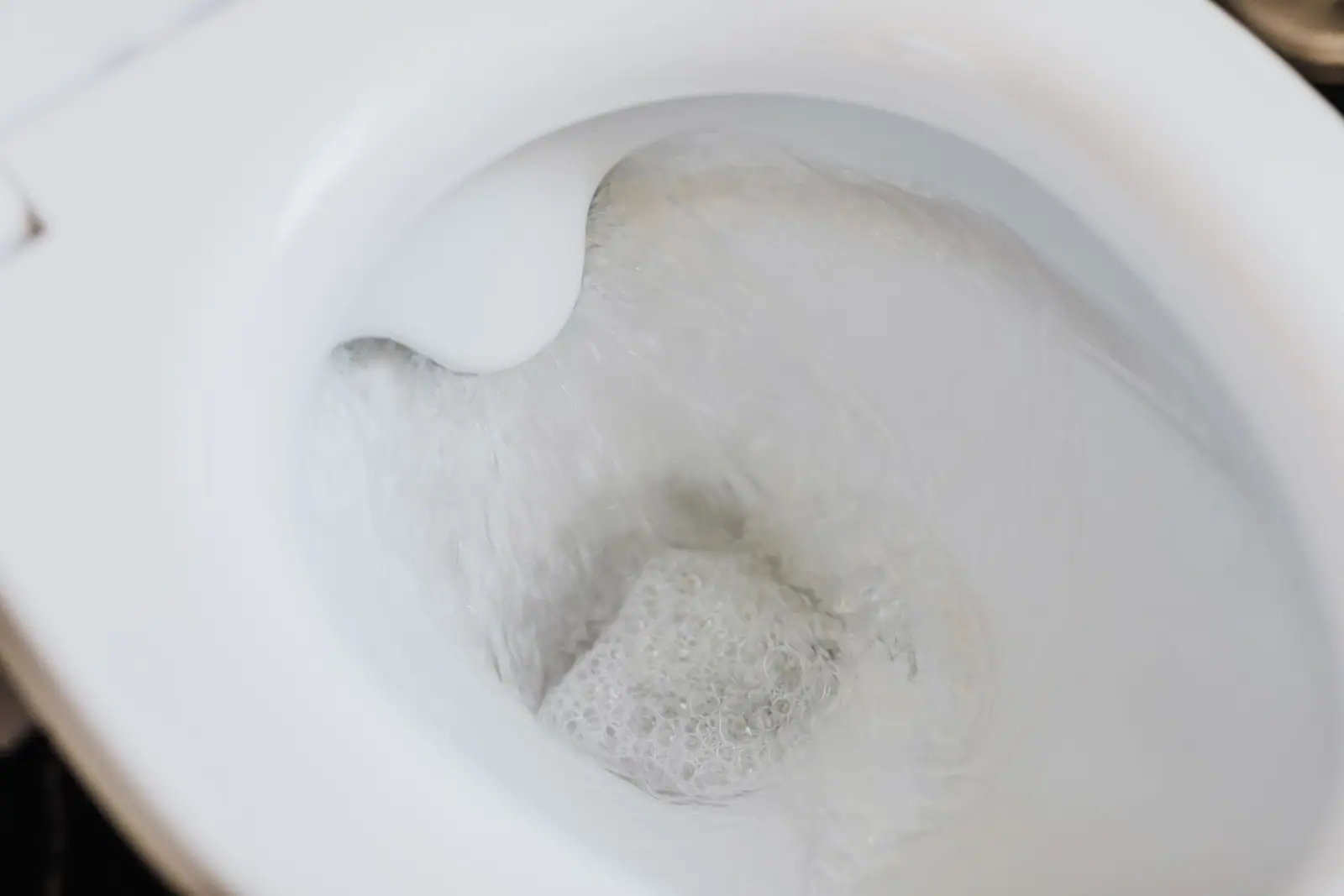
- Check every toilet. Put a few drops of food colouring in the cistern, wait fifteen minutes without flushing, and look in the bowl. Colour in the bowl means the flapper is leaking.
- Listen at night, when the house is quiet, for a cistern refilling.
- Read the water meter if you have one, with everything off, and again two hours later. On a well, watch whether the pump cycles when nothing is running.
- Check the softener. A control valve stuck in regeneration can send hundreds of gallons to the drain without anybody noticing.
- Look under sinks and at the water heater for slow drips and at the pressure relief discharge.
None of that costs anything, and on a system that is showing early symptoms it is the first thing to do.
Spread the load, do not just reduce it
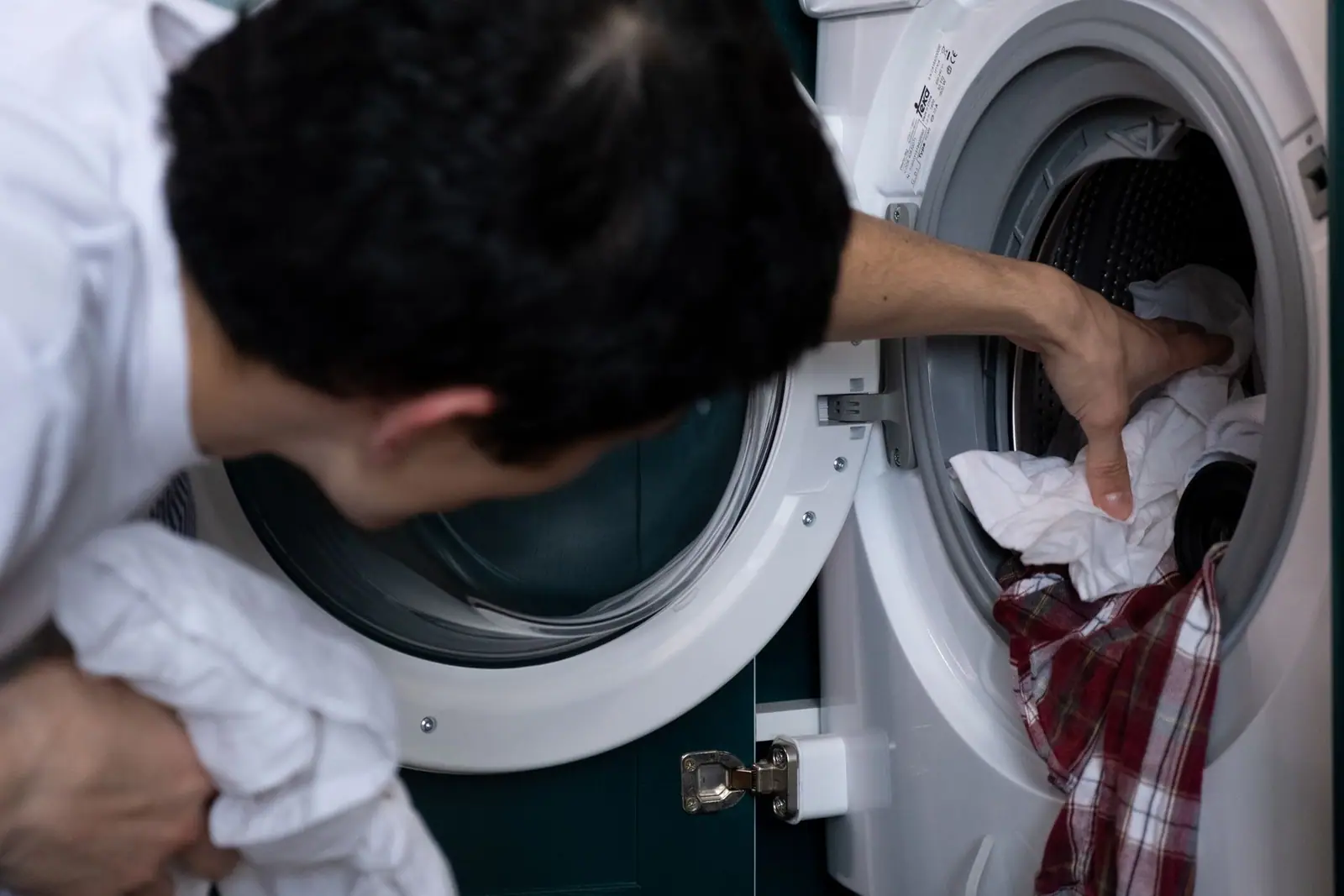
A drainfield cares about the daily peak as much as the weekly total. Six loads of laundry on a Saturday send several hundred gallons through the tank in a few hours, which stirs up settled solids and pushes them towards the field before they can separate.
- Do one or two loads a day through the week rather than all of them at once.
- Run the dishwasher full, and at a different time from laundry.
- Stagger showers where you can, especially with guests in the house.
- Warn guests about the system. A weekend with twice the usual occupancy is a genuine hydraulic event.
Fixtures, in order of effect
- Toilets. The big one. EPA notes high-efficiency models use 1.6 gallons or less per flush against the 3.5 to 5 gallon reservoirs on older ones, which is a very large change when multiplied by a household’s flushes.
- Washing machines. ENERGY STAR certified models use about half the water of standard ones.
- Showerheads. Cheap to change, immediate effect, and the one people notice least.
- Taps and aerators. Small but free.
Keep outside water out
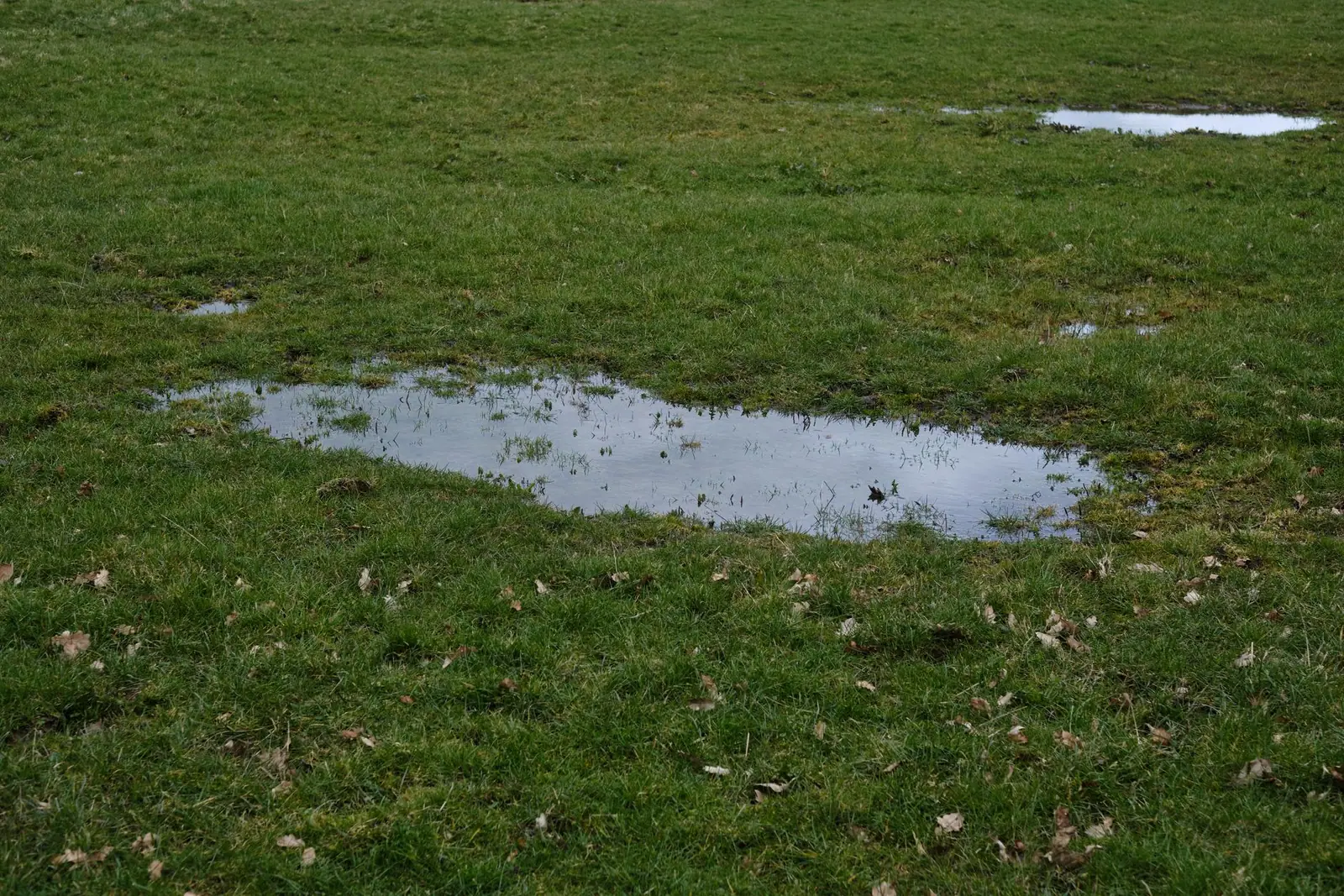
The drainfield is trying to absorb your wastewater. Anything else arriving there competes for the same capacity.
- Direct downspouts and roof drainage away from the field.
- Fix surface grading that sends rainwater across it.
- Keep sump pump discharge well away from it.
- Do not run irrigation over the field.
- Do not drive, park or store anything on it, because compacted soil absorbs less.
If your system is struggling and you are about to spend money, spend the first afternoon on leaks, laundry scheduling and roof drainage. It costs nothing, it is the most common cause of symptoms in a field that is otherwise sound, and if the symptoms persist afterwards you have learned something a contractor’s diagnosis can build on.
Related reading: The Signs a Drainfield Is Failing and What a Septic Replacement Quote Is Made Of.
Questions people ask
How much water can a septic system handle?
It is sized for a daily volume set by the design, usually based on the number of bedrooms. EPA puts typical indoor use at up to 70 gallons per person per day, so a household that grows, or a leak, can exceed the design without anything being broken.
Can a running toilet damage a septic system?
Yes. EPA notes a single leaky or running toilet can add as much as 200 gallons a day, which is enough to overload a drainfield, push solids out of the tank and cause symptoms that look like system failure.
Does doing all the laundry on one day hurt a septic tank?
It can. A large volume in a short time stirs settled solids and carries them toward the drainfield before they separate. Spreading loads through the week is one of the few free things that genuinely helps a struggling system.
Should I redirect downspouts away from my drainfield?
Yes. Roof and surface water arriving at the field competes with your wastewater for the soil's capacity, and saturated soil cannot absorb. Keep roof drainage, sump discharge and irrigation away from the field.
Where these figures come from
- How to Care for Your Septic System US Environmental Protection Agency · epa.gov
- Resolving Septic System Malfunctions US Environmental Protection Agency · epa.gov
Figures last checked September 2026.