On this page
Nobody researches septic replacement in a calm moment. The research starts when the toilets back up, or when a buyer’s inspector writes something alarming, and the first quote arrives with one number on it and no explanation. Then the second quote is $18,000 different and neither contractor will say why.
Both numbers can be honest. Here is what the price is actually made of, in the order the work happens.
Key figures
- 70 gallons EPA upper estimate: daily indoor water per person
- 200 gallons Daily water waste one leaking toilet can add
Line 1: the site evaluation and soil test
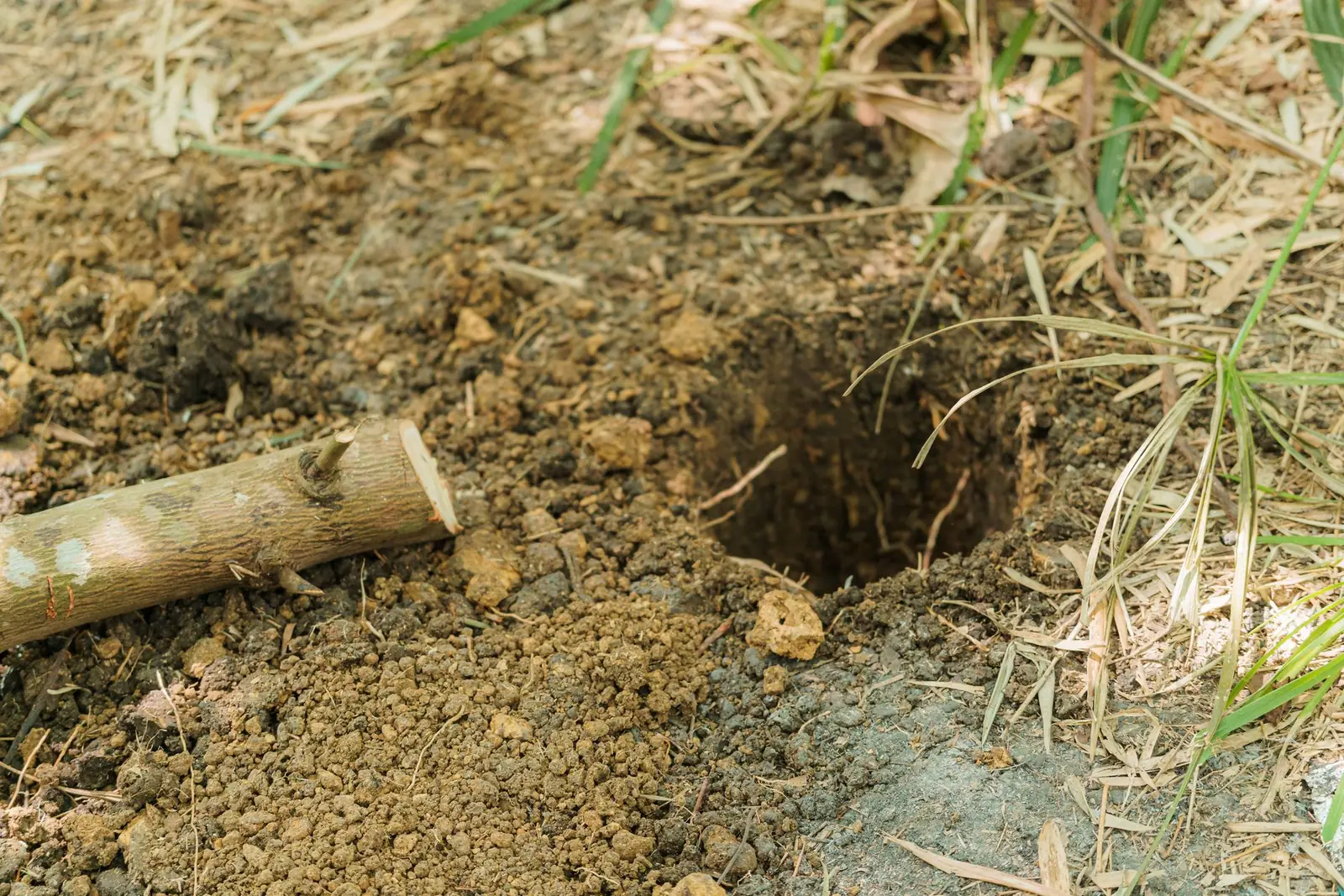
Before anyone can price a system, somebody has to find out what the ground will accept. That usually means a soil evaluation and a percolation test: holes dug to look at the soil profile, and a measurement of how fast water moves through it.
This is the line that decides everything after it. Fast-draining sandy soil, deep to groundwater and bedrock, gets a conventional system. Heavy clay, a high water table, shallow bedrock or a small lot pushes you into an engineered design that costs several times as much.
You cannot negotiate the soil. You can only find out what it is before you plan a budget, which is why this test comes first and why a quote given without one is a guess.
Line 2: the design and the permit
Once the soil is known, a designer or engineer draws a system sized to the house, usually by the number of bedrooms rather than the number of people, and submits it to the county or state health department. Permit fees, plan review, and often a final inspection are part of the project.
Two things worth knowing here:
- The rules are local. Septic permitting is done by county health departments or state agencies, and the required setbacks from wells, property lines, surface water and buildings vary a great deal.
- A repair is not always a replacement. Some jurisdictions allow a failing component to be repaired under a simpler permit; others require the whole system to be brought to current standards once you open it.
Line 3: the tank
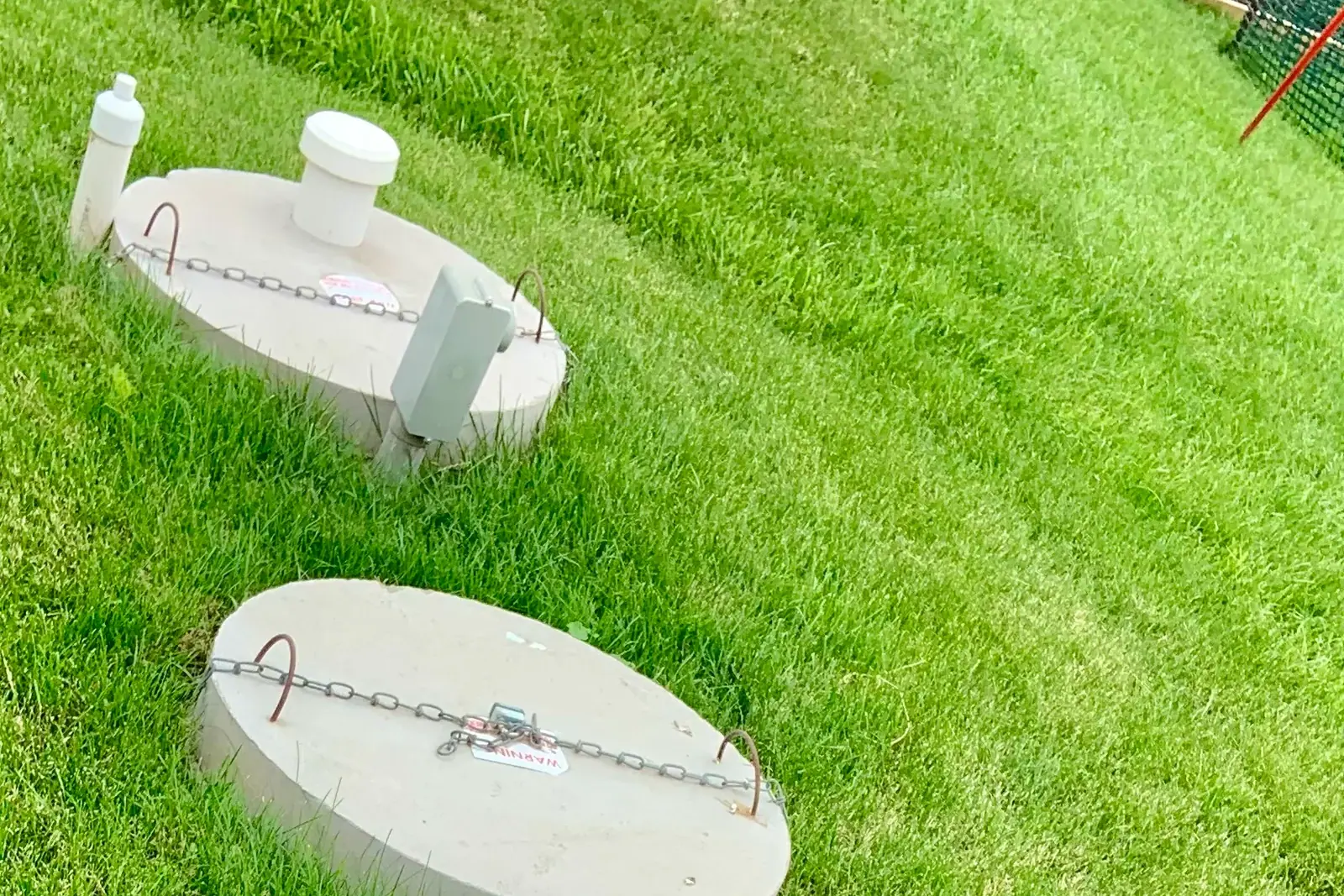
The tank is the part people picture, and it is rarely the expensive part. It receives the wastewater and lets solids settle out as sludge while grease floats as scum. What it costs depends on material, size, whether the truck can reach the hole, and how much excavation is involved.
If your existing tank is sound, a replacement project may reuse it. Ask that question directly, because it is one of the largest single savings available.
Line 4: the drainfield
This is where the money is. The drainfield, also called the leach field or soil absorption field, is where partially treated liquid leaves the tank and is treated by the soil itself. It is large, it is buried, and replacing it means excavating an area of your property and often importing sand or gravel.
It is also the part that fails. When a drainfield clogs, the soil can no longer accept liquid at the rate the house produces it, and that is what puts sewage on the lawn or back into the house.
A failing drainfield is not fixed by pumping the tank. Pumping removes what is in the tank. It does not unclog soil, and a system that only works for a few days after each pump-out is a system that is telling you the field is gone.
When the site will not take a conventional system
EPA’s own descriptions of the alternatives are blunt about the trade-offs, and they are the reason quotes vary so widely.
| System | When it is used | What it costs you afterwards |
|---|---|---|
| Conventional with gravel or stone | Ordinary soil and space | Pumping and inspections |
| Chamber system | High groundwater, variable flows, gravel hard to get | Similar to conventional |
| Mound system | Shallow soil, high groundwater or shallow bedrock | Substantial space, periodic maintenance |
| Aerobic treatment unit | Small lots, poor soil, high water table, near surface water | Regular lifetime maintenance, electricity |
| Drip distribution | Shallow soil cover | A dose tank, electrical power, higher maintenance |
| Recirculating sand filter | High water table, near water bodies | More expensive than a conventional system |
Notice the last column. An engineered system is not only a bigger cheque at installation; it is a service contract, a control panel, an alarm and a power bill for as long as you own the house.
Ask every contractor the same two questions: what does this system need every year, and who is allowed to service it? On alternative systems the answer is usually an annual contract with a licensed provider, and in many states that contract is a condition of the permit. That is a real cost and it belongs in the comparison.
How to compare two quotes properly
- Get the soil evaluation and design first, then send the same design to each contractor. Two quotes for two different systems are not comparable.
- Ask for the quote itemised: design, permits, tank, drainfield, excavation, materials imported, electrical, landscaping and restoration.
- Ask what is excluded. Restoring the lawn, removing the old tank, rock excavation and dewatering are the usual surprises.
- Ask who pulls the permit and who is responsible if the inspection fails.
- Ask about access. If a truck cannot reach the site, the price changes.
- Check the licence and the insurance, and ask for two recent addresses in your county.
The cheapest version of this problem
It is the one you avoid. EPA’s guidance is that a conventional system should be inspected at least every three years and the tank pumped every three to five, with alternative systems inspected about once a year. The failure mode that ends drainfields is solids escaping a tank that was never pumped, which is a few hundred dollars of neglect turning into a project measured in tens of thousands.
Water is the other half. EPA notes that indoor water use in a single-family home can reach 70 gallons per person per day, and that a single leaky or running toilet can add as much as 200 gallons a day on its own. That is a hydraulic load a drainfield was never sized for, coming from a part costing a few dollars to fix.
Related reading: Your Drainfield Cares How Much Water You Use and What Not to Flush When You Have Septic.
Questions people ask
Why are septic replacement quotes so different?
Because the system being quoted may not be the same. Soil, groundwater, bedrock, lot size and setbacks decide whether you can install a conventional drainfield or need an engineered alternative such as a mound or an aerobic treatment unit, and those differ enormously in price. Get the soil evaluation and design first, then quote the same design.
Can pumping fix a failing drainfield?
No. Pumping removes the contents of the tank. If the soil in the drainfield has clogged, the system will work briefly after a pump-out and then fail again. Repeated pumping to keep a house usable is a sign the field itself needs work.
How long does a septic system last?
It depends on soil, design, household size and maintenance rather than on a fixed number of years. What shortens it is predictable: solids carried into the field because the tank was not pumped, hydraulic overload from leaks and heavy water use, and compaction or roots over the field.
What does a percolation test do?
It measures how quickly water moves through your soil, alongside a soil profile evaluation. Together they determine what kind of system you are allowed to install and how large the drainfield must be, which is what sets most of the cost.
Where these figures come from
- How to Care for Your Septic System US Environmental Protection Agency · epa.gov
- Types of Septic Systems US Environmental Protection Agency · epa.gov
- Resolving Septic System Malfunctions US Environmental Protection Agency · epa.gov
Figures last checked September 2026.