On this page
Everything that goes down a drain in a house on septic ends up in a tank in the garden, and whatever does not break down stays there until somebody pumps it out. That is the whole logic of this list.
EPA’s guidance names the items directly, and it is longer than most people expect: cooking grease and oil, non-flushable wipes, feminine hygiene products, condoms, dental floss, nappies, cigarette butts, coffee grounds, cat litter, paper towels and household chemicals.
The three ways an item causes damage
It floats and builds the scum layer. Grease, oil, fats and anything plastic-like. The scum layer sits on top of the liquid and grows downward over the years. When the bottom of that layer reaches the outlet, it starts leaving with the liquid, and grease in a drainfield seals soil permanently.
It sinks and builds the sludge layer. Coffee grounds, cat litter, food solids from a disposal. More sludge means a shorter pumping interval and, if ignored, solids carried into the field.
It kills the biology. Paint, solvents, drain cleaners used heavily, pesticides, and pharmaceuticals in quantity. A tank works because bacteria break material down; a chemical dose sets that back.
The wipes problem, specifically
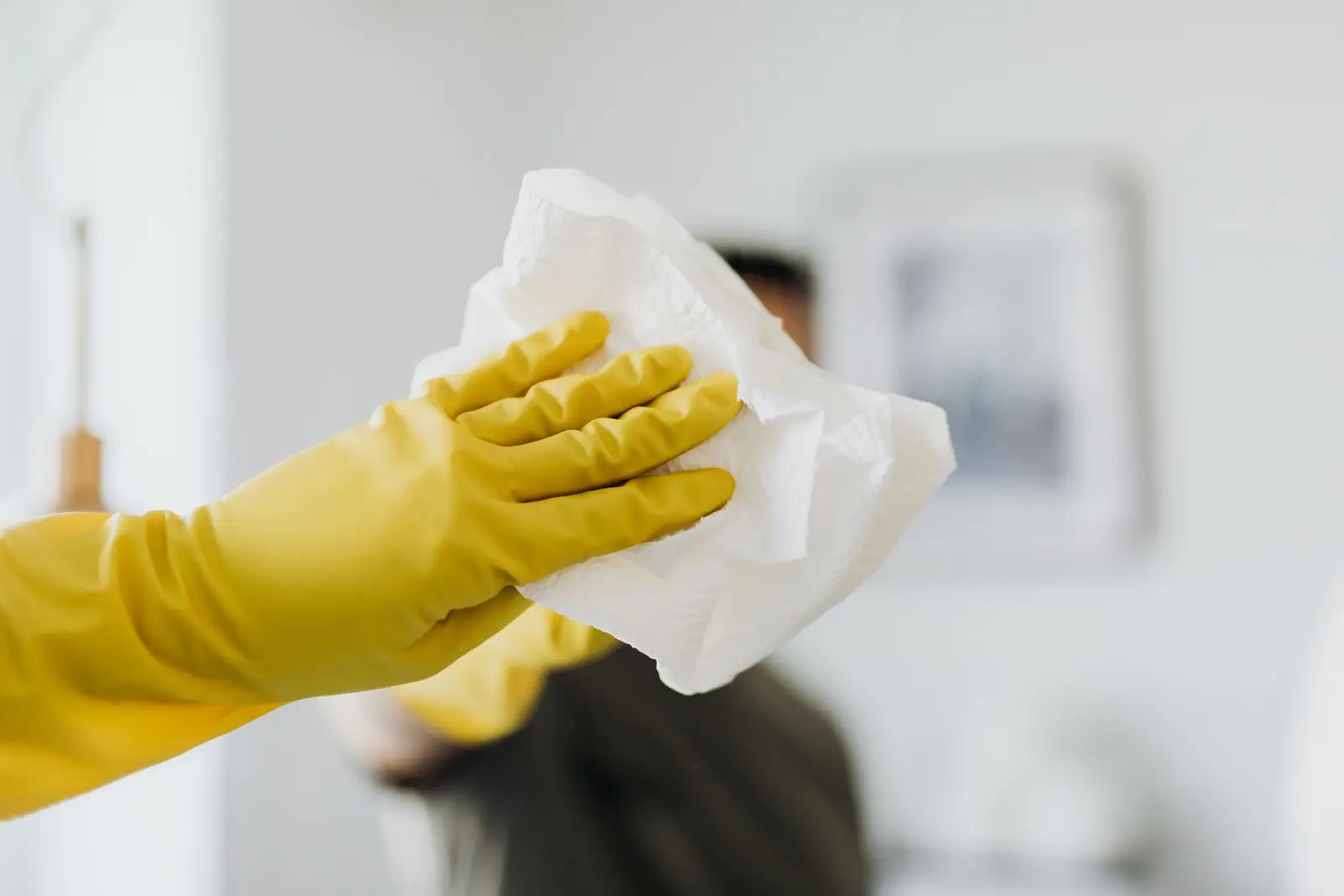
A wipe is designed not to fall apart when wet. That is the product. Labelling it flushable describes whether it will leave the house, not whether it will break down in a tank.
In a gravity system, wipes accumulate in the scum layer and shorten the pumping interval. In a system with a pump, they wrap around the impeller and burn it out, which turns a packet of wipes into a service call and a new pump. Baby wipes, cleaning wipes, makeup wipes and the ones sold beside toilet paper all behave the same way.
The same reasoning applies to dental floss, which does not degrade and tangles with everything else, and to cotton buds, sanitary products and anything described as biodegradable without a timescale attached.
Kitchen habits that matter more than they look
- Pour grease into a jar, let it set, and put it in the bin. Washing it down with hot water simply moves the problem to where it cools.
- Scrape plates into the bin before rinsing.
- Be sparing with the garbage disposal, or do not fit one. It sends food solids to a tank sized for waste and paper, and households with one typically need more frequent pumping.
- Use ordinary detergents in ordinary amounts. Nothing exotic is required, but a system does not need three cleaning products at once either.
Additives: what the maintenance actually is
Products sold to be poured into the tank promise fewer pump-outs, restored drainfields and dissolved sludge. Set the claims against what maintenance is for: the tank works by settling solids out of the water, and those solids have to be physically removed. A product cannot carry sludge out of the tank in a truck.
A healthy tank does not need bacteria added. It is reseeded constantly by normal household use. If a system is struggling, the diagnosis is a measurement of sludge and scum, the condition of the baffles and the filter, and how much water the house is sending, not a bottle.
Water softener backwash is a genuine question rather than a myth, and the answer is local. Some jurisdictions allow the discharge to go to the septic tank, some require it to go elsewhere, and the volume of water involved matters for a small or marginal drainfield. Ask your county health department what is allowed where you live before plumbing a new softener.
The short version to put on the wall
Down the toilet: human waste and toilet paper.
Everything else: the bin.
Down the sink: water, ordinary detergent, and food that could not be scraped off.
Never: grease, paint, solvents, petrol, pesticides, unused medicines, and anything described as flushable that is not paper.
Related reading: What a Septic Replacement Quote Is Made Of and How Often a Septic Tank Really Needs Pumping.
Questions people ask
Are flushable wipes safe for a septic system?
No. EPA's list of items not to flush includes non-flushable wipes, and in practice wipes sold as flushable do not break down in a septic tank either. They build the scum layer in gravity systems and wreck the impellers of pump systems.
Is a garbage disposal bad with a septic tank?
It is not forbidden, but it adds food solids to a tank designed for waste and paper, so it shortens the pumping interval. If you have one, use it sparingly, scrape plates into the bin, and measure sludge and scum rather than assuming a five-year interval.
Do septic tank additives work?
Nothing poured into a tank removes the sludge and scum that pumping removes, and a working tank is reseeded with bacteria by ordinary use. Treat additive claims about eliminating pump-outs or restoring drainfields with scepticism and ask for them in writing.
Can bleach and cleaning products harm a septic system?
In normal household quantities, ordinary cleaners are not a problem. What causes damage is quantity and category: paint, solvents, pesticides, petrol and heavy use of drain cleaners, which kill the bacteria that do the treatment.
Where these figures come from
- How to Care for Your Septic System US Environmental Protection Agency · epa.gov
- Resolving Septic System Malfunctions US Environmental Protection Agency · epa.gov
Figures last checked September 2026.