On this page
A septic system gives plenty of notice before it stops working. The notice is quiet, it appears outside rather than inside, and it is easy to explain away for a couple of seasons.
Here is the list, in roughly the order it appears.
The warnings you can see outside
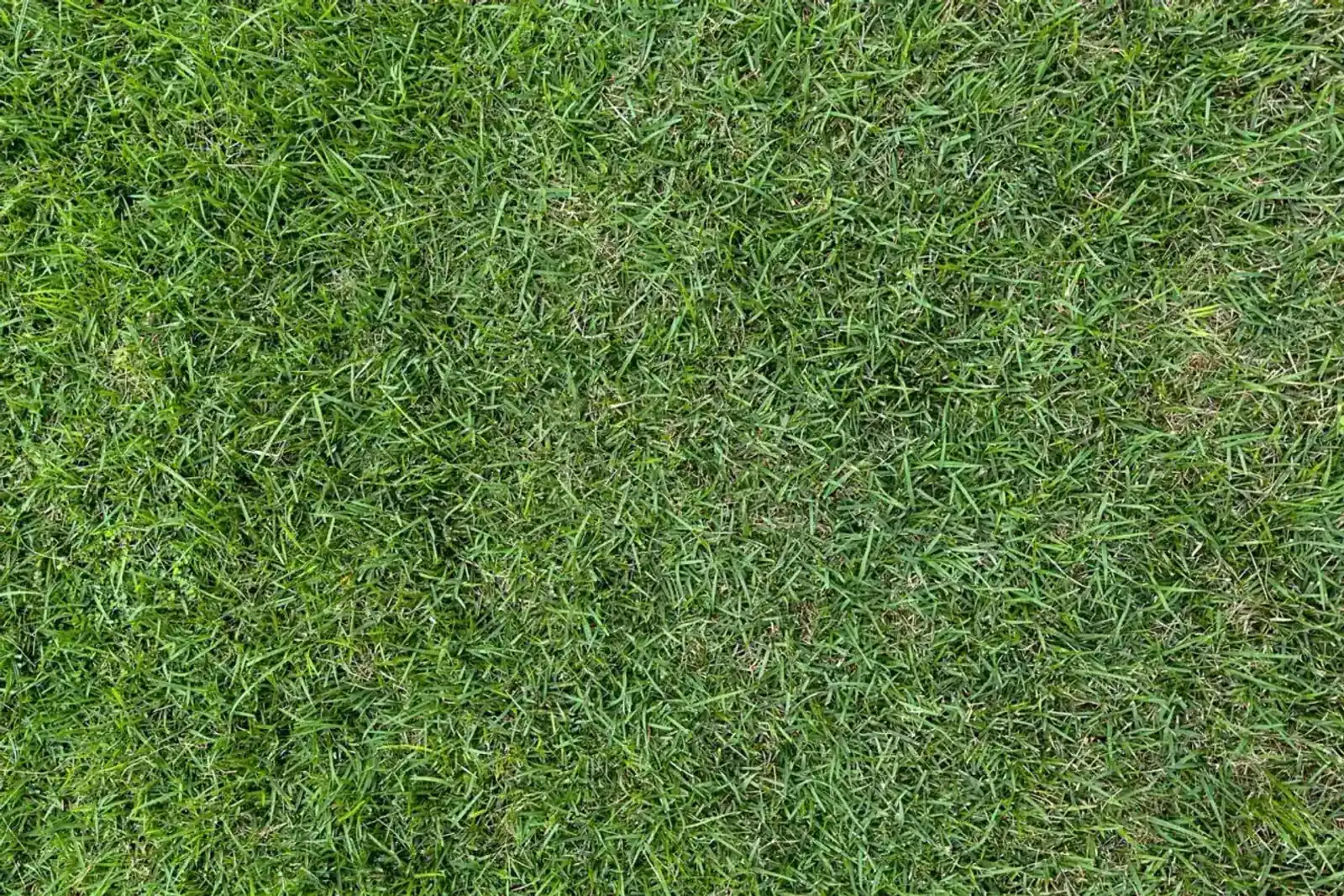
Bright green, spongy grass over the tank or the drainfield. Everything else on the lawn is dry and this strip is thriving. It is thriving because it is being fertilised and watered by wastewater that is not being absorbed deeper down.
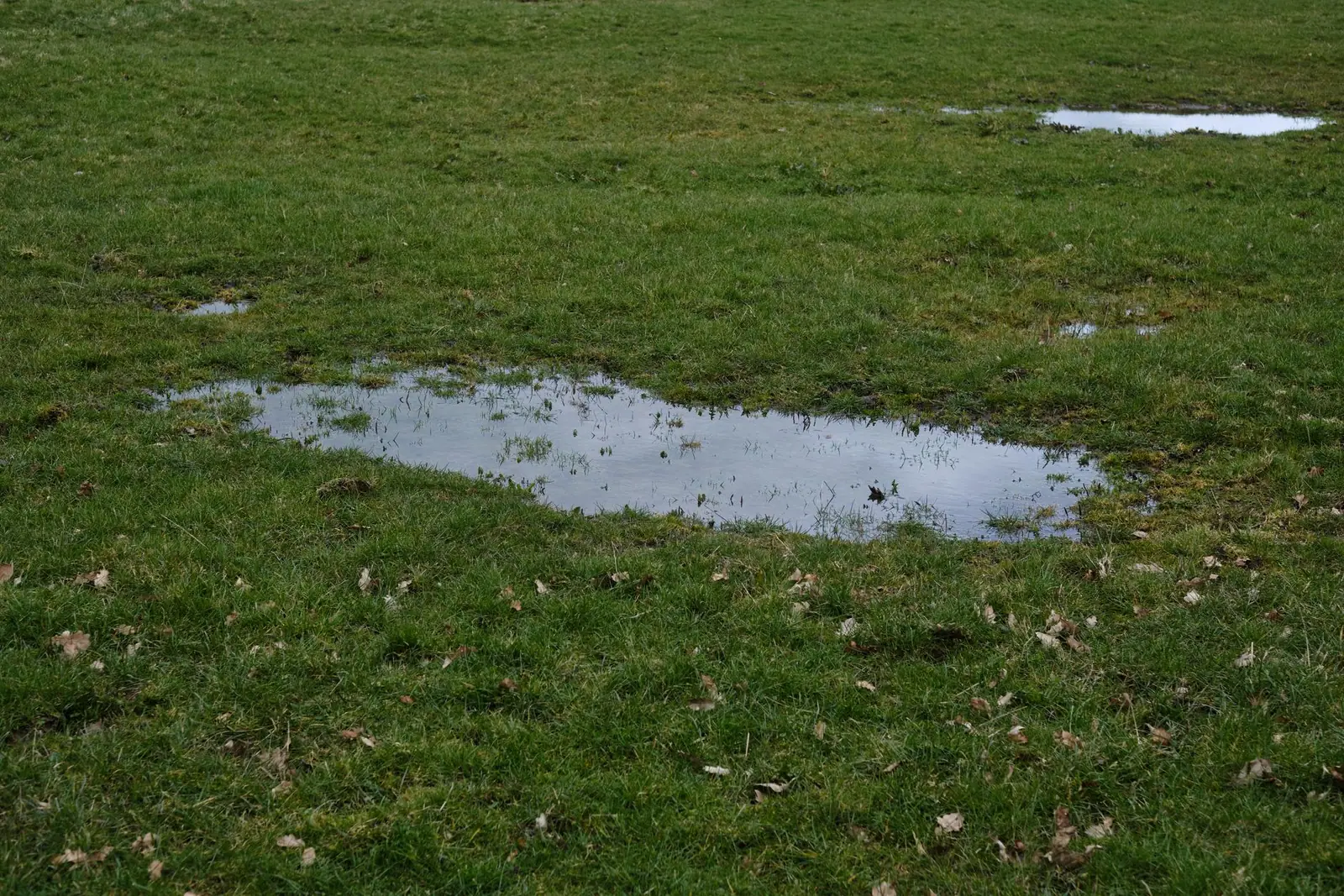
Soft, wet or spongy ground over the field with no significant rain to explain it. This is a strong indication of failure: the soil can no longer take liquid at the rate the house is sending it.
Standing water or damp patches near the tank or the field, sometimes with a sheen.
Sewage odours outdoors near the tank or the field, or at the vent on the roof when the wind is still.
The warnings you can see indoors
Everything drains slowly at once. One slow sink is a blocked trap. Every drain in the house slowing down, with gurgling as fixtures empty, points at the system rather than at one pipe.
Backups into the lowest fixtures first: a basement shower, a ground-floor toilet, a floor drain.
Toilets that need a second flush and then recover over an hour.
EPA is direct about what this means: a backup is the first sign of septic system failure, and if the drainfield is clogged, failing or overloaded with too much liquid it can flood, putting sewage on the ground or back into toilets and sinks.
What to do, in order
- Cut the water going in, today. Short showers, postpone laundry, run the dishwasher only when full, and check every toilet for a running flapper. This buys time and sometimes reveals that the problem was hydraulic overload.
- Find the service record. When was it last pumped, how deep were the sludge and scum, and were the baffles and filter intact?
- Get the tank inspected and pumped. This is diagnosis as much as maintenance: how fast the level returns after pumping tells the technician whether liquid is leaving the tank at all.
- Check the effluent filter if there is one, because a blocked filter mimics a failed field and costs almost nothing to clean.
- Keep people and animals off any wet area, and wash hands after contact. Surfacing effluent is untreated sewage.
- Call the county or state health department if sewage is reaching the surface or a ditch. They regulate these systems, and in many places they are also the people who can tell you what your permit file says.
The distinction that saves money
There are two very different problems, and the fix differs by an order of magnitude.
- Hydraulic overload. The field is sound but is receiving more water than it can take: a running toilet, a leaking fixture, roof or surface water draining across it, or a household that has grown. Fix the water and the symptoms often go away.
- Clogged soil. The field’s soil has been sealed by solids escaping the tank over years. Pumping produces a few good days and then the same symptoms return. This is a replacement, not a repair.
If somebody offers a chemical that will restore a clogged field, ask them what the treatment does to soil that has been physically sealed, and get the claim in writing before paying for it.
After a flood, treat the system as suspect even if nothing is backing up. EPA’s flood guidance is to keep the system pumped out only after the water table drops, to avoid driving heavy equipment over saturated ground, and to have the tank and field checked before returning to normal use. Silt and floodwater can clog a field that was previously fine.
What not to do
- Do not add more water to “flush it through”. The field is the thing that cannot take water.
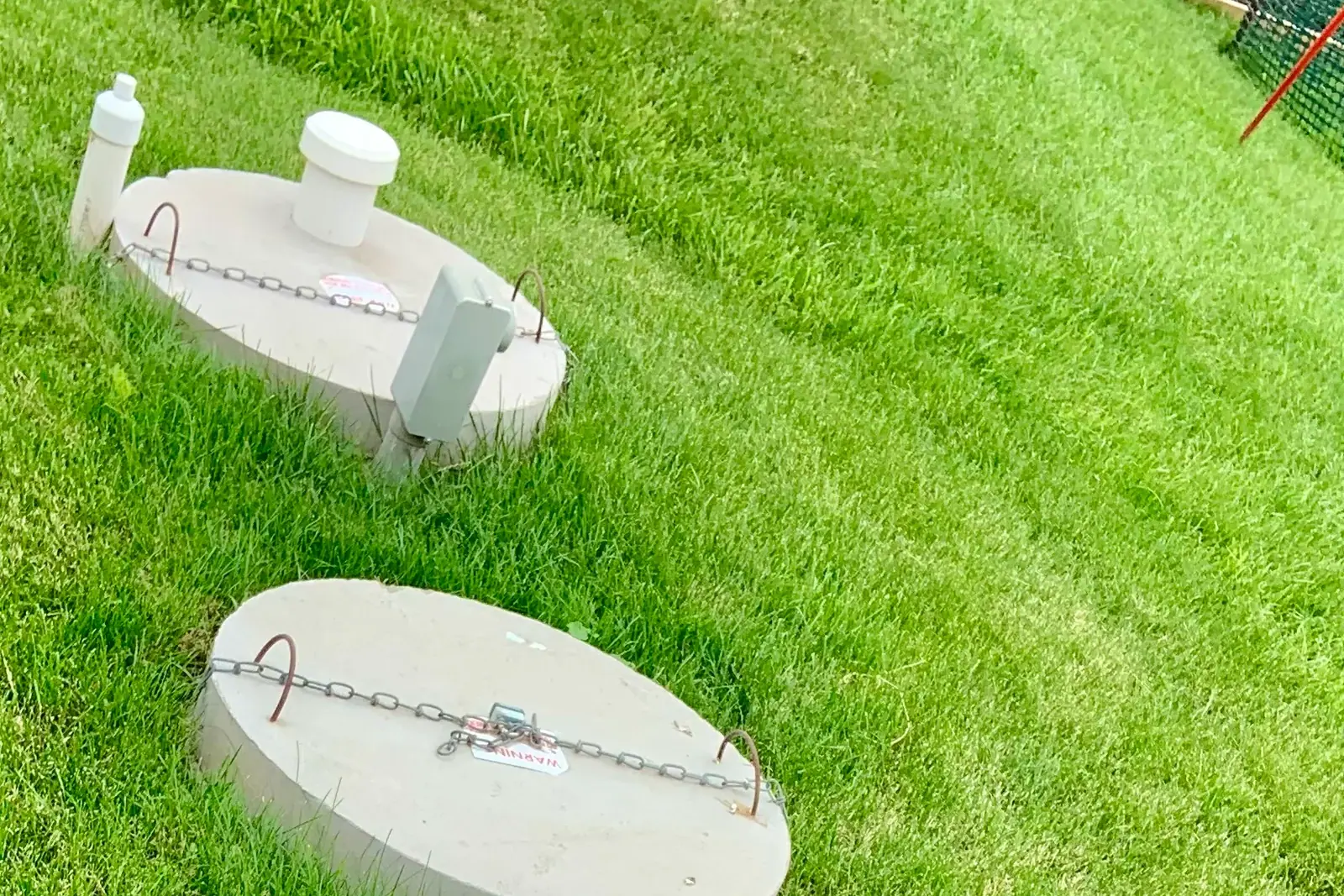
- Do not open the tank to look. The gases inside can kill quickly, and the lid is not a place to lean over. Leave that to somebody with the equipment.
- Do not plant a garden or park on the field to hide the wet patch. Compaction and roots make it worse.
- Do not repeat pump-outs as a strategy. If the house is only usable for a week after each visit, you are renting a failure rather than repairing one.
- Do not ignore an alarm on an alternative system. That alarm exists because there is a pump or a treatment unit that has stopped, and continuing to use the house can flood the field.
Related reading: A Septic Service Contract Needs a Written Scope and Your Drainfield Cares How Much Water You Use.
Questions people ask
What are the first signs of septic system failure?
Usually outside: soft, wet or spongy ground over the drainfield in dry weather, bright green lush grass over the tank or field, standing water and sewage odours. Indoors, every drain slowing at once and gurgling is the system rather than a single blocked pipe.
Why is the grass greener over my septic drainfield?
Because wastewater is reaching the surface layers instead of being absorbed and treated deeper in the soil, which fertilises and waters that strip. In dry weather it is one of the clearest early warnings of a field that is failing.
Can a failing drainfield be repaired?
Sometimes, when the cause is hydraulic overload or a blocked effluent filter rather than clogged soil. Once soil has been sealed by solids over years, the field generally needs replacing, and products that claim to restore it are not a substitute for a soil evaluation.
Is sewage on the lawn dangerous?
Yes, it is untreated wastewater. Keep children and pets away from it, wash hands after any contact, do not mow the area, and contact your county or state health department, which regulates these systems and can advise on the immediate steps.
Where these figures come from
- Resolving Septic System Malfunctions US Environmental Protection Agency · epa.gov
- How to Care for Your Septic System US Environmental Protection Agency · epa.gov
- Septic Systems: What to Do after the Flood US Environmental Protection Agency · epa.gov
Figures last checked September 2026.