On this page
A conventional septic system is a tank and a gravel or stone drainfield, and it works when there is enough of the right soil in the right place. When there is not, the alternative is not a worse system. It is a more complicated one, with a service contract attached.
If you are buying a property with one, or being told you need one, the important part is not the installation price. It is what the system asks of you every year for as long as you own the house.
Key figures
- once a year EPA typical alternative-system inspection interval
- at least every three years EPA minimum conventional-system inspection frequency
Why a site gets pushed off conventional
- Shallow soil over bedrock, so there is not enough depth to treat the liquid.
- A high water table, which leaves too little unsaturated soil beneath the field.
- Very slow or very fast soil. Heavy clay will not accept liquid; coarse sand lets it through before it is treated.
- A small lot, where a conventional field will not fit with the required setbacks.
- Proximity to surface water, a well or a drinking water source, which raises the treatment standard.
- An existing failed field with nowhere to put a replacement.
The main alternatives, and what they demand
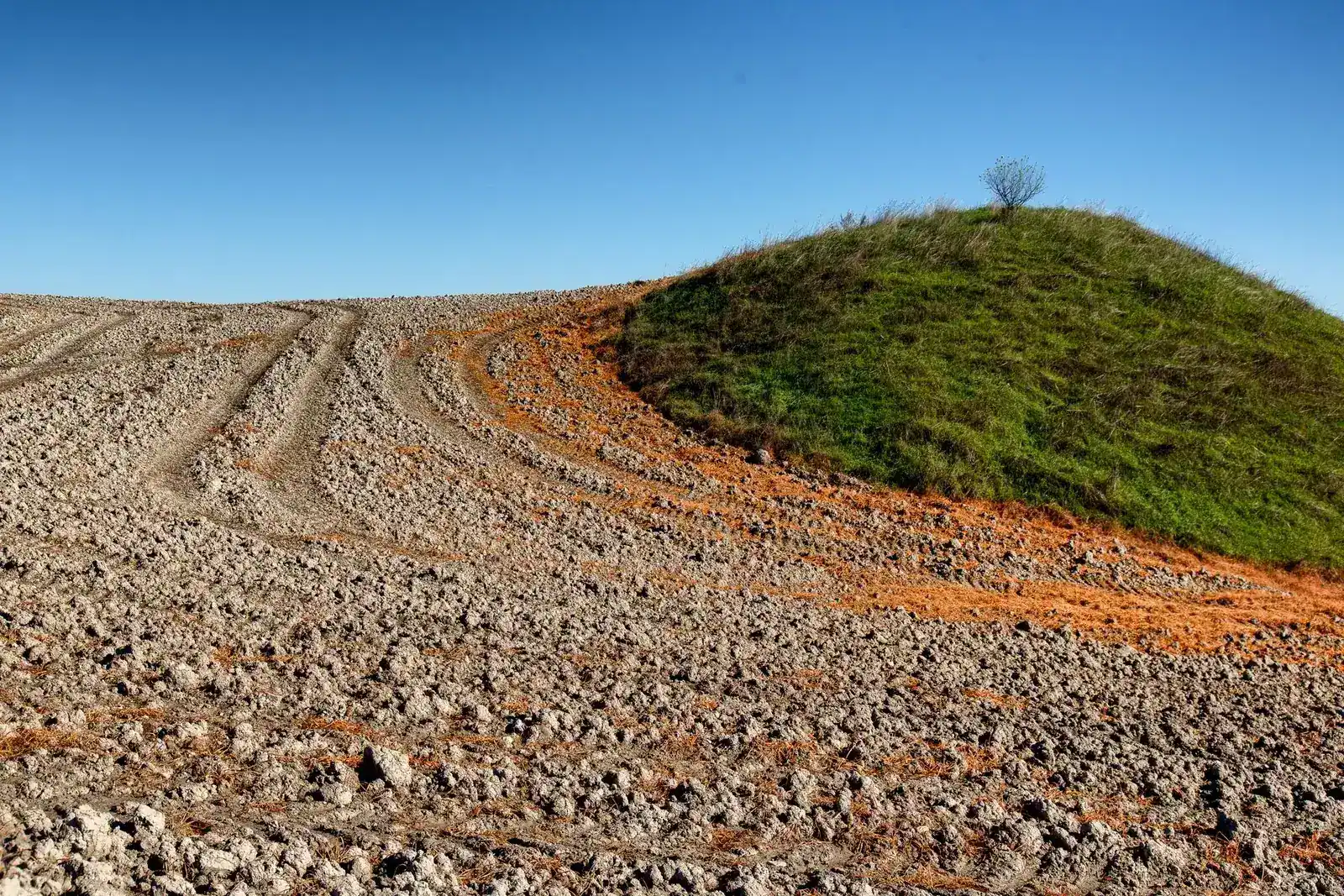
Mound system. The drainfield is built above natural grade in imported sand, so there is treatment depth where the ground does not provide it. EPA describes it as an option for shallow soil depth, high groundwater or shallow bedrock, and notes that mounds require a substantial amount of space and periodic maintenance. It needs a pump to lift the liquid up into the mound.
Aerobic treatment unit. Adds oxygen to the tank so that different bacteria treat the wastewater to a higher standard before it reaches the soil. EPA notes it can be used on smaller lots, with inadequate soil conditions, where the water table is too high, or near surface water, and that it requires regular lifetime maintenance.
Drip distribution. Liquid is dosed slowly through small tubing near the surface, needing only shallow soil cover. EPA notes the disadvantage directly: a dose tank, electrical power and increased maintenance costs.
Recirculating sand filter. Effluent is passed repeatedly through a sand filter before reaching the soil. Suited to high water tables and sites near water bodies, and EPA notes it is more expensive than a conventional system.
Chamber system. A gravelless drainfield, useful where groundwater is high, flows vary or gravel is hard to source. Closer to conventional in what it asks of you.
Constructed wetland and evapotranspiration. Niche answers for particular climates and sites; the evapotranspiration bed only works in arid areas with enough heat and sun, and can fail with too much rain or snow.
The running costs you inherit
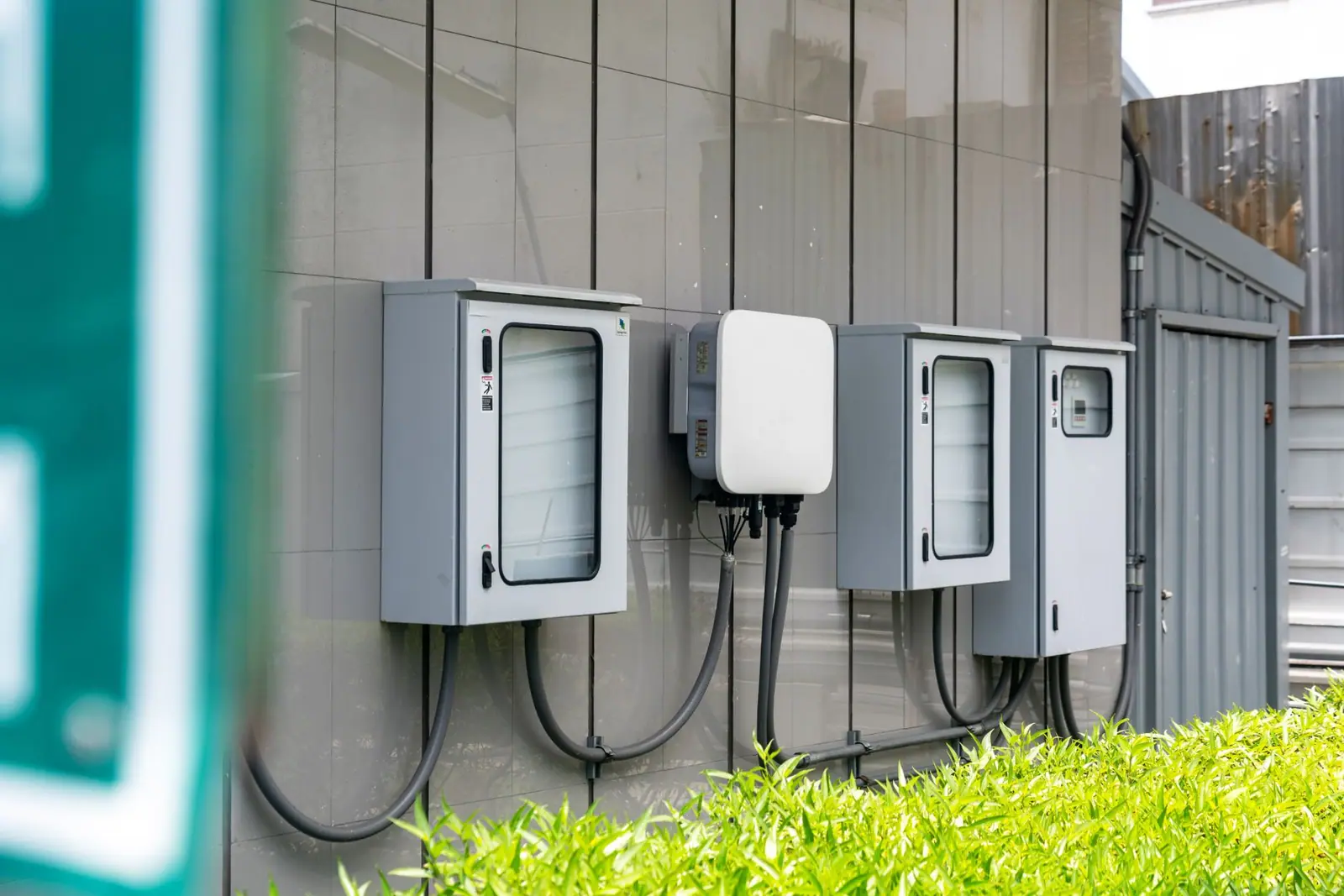
- A maintenance contract. For aerobic and other mechanical systems this is usually annual or more frequent, often with a licensed provider, and in many states it is a condition of the permit rather than a choice.
- Electricity. Pumps, blowers and controls run for years. It is not a large bill, but it is a permanent one.
- Parts. Pumps, blowers, floats, filters and UV lamps are consumables with a service life.
- Inspections. EPA’s recommendation for alternative systems is inspection about once a year, against every three for a conventional system.
- Attention. The alarm means something. A silenced alarm with the system left running is how a several-thousand-dollar component becomes a field replacement.
Before you buy a property with an alternative system, ask for the last three service reports and the name of the service provider. Ask what the annual contract costs, and whether the county requires proof of it. A system with no service history is a system whose remaining life you cannot estimate.
Living with one
- Know where the alarm is and what it sounds like. Test it.
- Keep the water use steady. These systems are dosed and timed; a sudden flood of water matters more, not less.
- Keep vehicles and livestock off the mound. Compaction is fatal to a sand mound, and the slope makes it inviting to drive around.
- Mow it, do not plant it. Grass on a mound is part of the design, holding the sand and moving water out by transpiration. Trees and shrubs are not.
- Keep the service contract alive even in years when nothing goes wrong, because a lapsed contract on a permitted system is a compliance problem as well as a mechanical one.
- Plan for the power cut. When the electricity stops, the pump stops. Reduce water use until it is back rather than filling a dose tank you cannot empty.
Related reading: How Often a Septic Tank Really Needs Pumping and What to Do With a Septic System After a Flood.
Questions people ask
Why would a property need a mound system?
Because the natural soil cannot treat wastewater where it is: shallow soil depth, a high water table or shallow bedrock. A mound builds the treatment depth above ground in imported sand, and EPA notes it needs substantial space and periodic maintenance.
How much maintenance does an aerobic treatment unit need?
Regular maintenance for the life of the system, in EPA's words, typically under a service contract with a licensed provider. Many jurisdictions require proof of that contract as a condition of the permit.
Do alternative septic systems need electricity?
Most do. Mounds need a pump to lift liquid, aerobic units run a blower, and drip systems need a dose tank and controls. When power fails, so does the system, so reduce water use until it returns.
How often should an alternative septic system be inspected?
EPA recommends inspecting alternative systems with mechanical components about once a year, compared with at least every three years for a conventional system.
Where these figures come from
- Types of Septic Systems US Environmental Protection Agency · epa.gov
- How to Care for Your Septic System US Environmental Protection Agency · epa.gov
- Resolving Septic System Malfunctions US Environmental Protection Agency · epa.gov
Figures last checked September 2026.