On this page
A wood stove looks like a purchase and behaves like a building project. The number on the showroom tag is the part that is easiest to compare and the smallest part of the total, which is why two quotes for “a stove” can differ by more than the stove itself costs.
Here is what the project is actually made of, in the order the money is spent.
Line 1: the stove
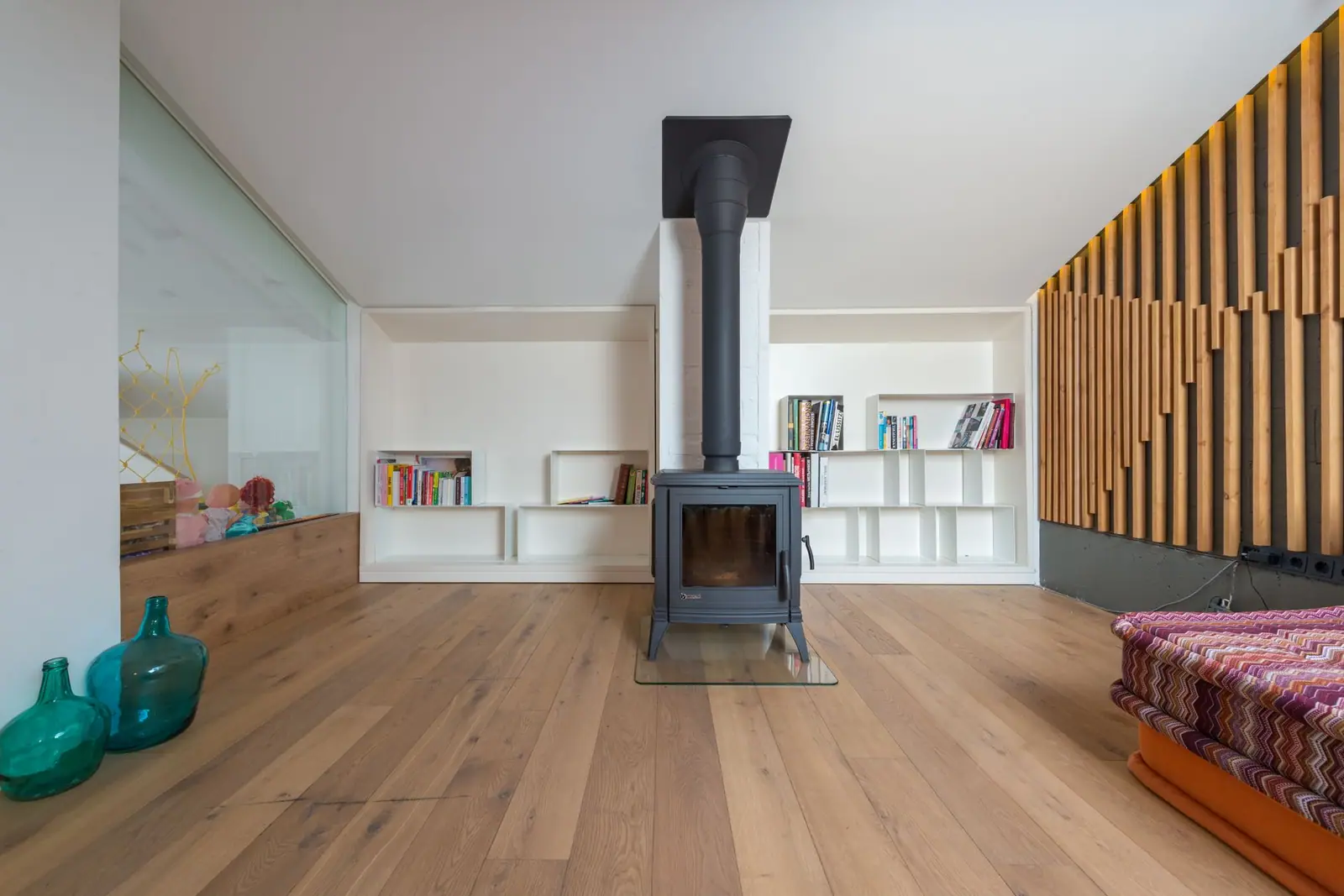
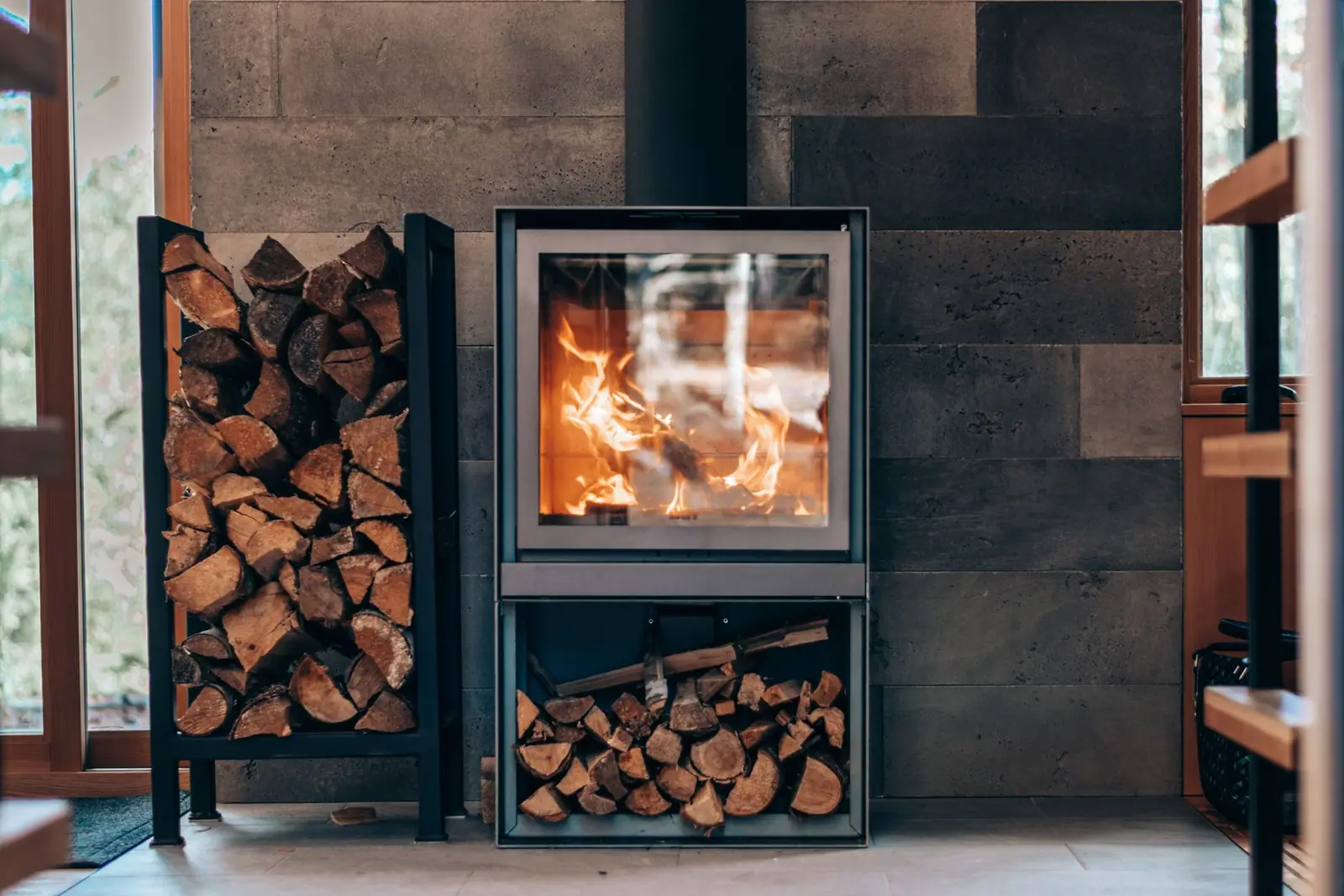
This is the visible decision: freestanding or insert, steel or cast iron, catalytic or non-catalytic, and the heat output.
Two things matter more than the finish:
- The EPA certification label, which carries the emission rate and, on newer models, an efficiency figure. Since 15 May 2020 the limit for new stoves is 2.0 grams of smoke per hour tested with crib wood and 2.5 g/h with cord wood. Older uncertified stoves release 15 to 30 grams per hour.
- The size. EPA’s own guidance is in rooms rather than square feet: small stoves suit a family room or a seasonal cottage, medium ones small houses or medium-sized energy-efficient houses, large ones bigger open-plan or older, leakier houses.
Line 2: the chimney
This is the line people forget, and on many jobs it is the largest.
- A new chimney where there is none: a listed, insulated metal chimney through the roof or up an outside wall.
- A stainless liner where there is an existing masonry chimney. A stove needs a flue sized to it, and the old flue for an open fireplace is usually far too large.
- Repairs to an existing chimney: crown, flashing, cap, or a damaged clay liner.
A stove connected to the wrong flue is not a bargain. It draughts badly, it builds creosote quickly and it is the scenario behind a large share of chimney fires.
Line 3: floor and wall protection
Every listed stove comes with required clearances to combustibles and a specification for floor protection. That means a hearth pad of the right size and rating, and sometimes heat shields on the walls behind and beside the stove.
The US Fire Administration’s general rule is worth keeping in mind alongside the manufacturer’s numbers: keep anything that can burn at least 3 feet from any heat source, including fireplaces, wood stoves, radiators and space heaters.
Line 4: labour, permit and inspection
Installation is a permitted job in most jurisdictions. Expect a building permit, an inspection, and an installer who follows the manufacturer’s listed instructions exactly, because those instructions are what the inspection is measured against.
Ask the installer three questions in writing:
- Who pulls the permit, and is the inspection included?
- What chimney or liner is being quoted, and what diameter, and why?
- What clearances does this model require, and does the room meet them as it stands?
The tax credit that is no longer there
Through 2025, a high-efficiency wood or pellet stove could earn the federal Energy Efficient Home Improvement Credit: 30 percent of the cost including installation, up to $2,000 a year, for biomass stoves and boilers with a thermal efficiency rating of at least 75 percent.
The IRS’s current guidance is direct: you can claim the credit for improvements made through 31 December 2025. A stove installed in 2026 does not qualify.
This matters because a great deal of stove marketing and blog advice still quotes the credit as though it were available. If a salesperson tells you that 30 percent comes back, ask them to show you the current IRS page.
Check for local help before assuming there is none. Some states, counties and air quality districts run stove changeout programmes that pay part of the cost of replacing an old uncertified stove with a certified one, precisely because the old ones emit 15 to 30 grams an hour. Those programmes come and go, and they are administered locally rather than federally.
The recurring cost: fuel
Firewood prices vary more than almost any other household fuel, because the market is local, seasonal and informal. What you can control is the unit you buy in and the state it arrives in.
Buy by the cord, which federal-model weights and measures rules define as 128 cubic feet of wood ranked and well stowed, and not by the “rick”, “face cord” or “truckload”.
Wet wood is the other hidden cost: EPA’s guidance is that wood burns best below 20 percent moisture, seasoned for at least six months, and wet wood wastes much of its energy boiling off water.
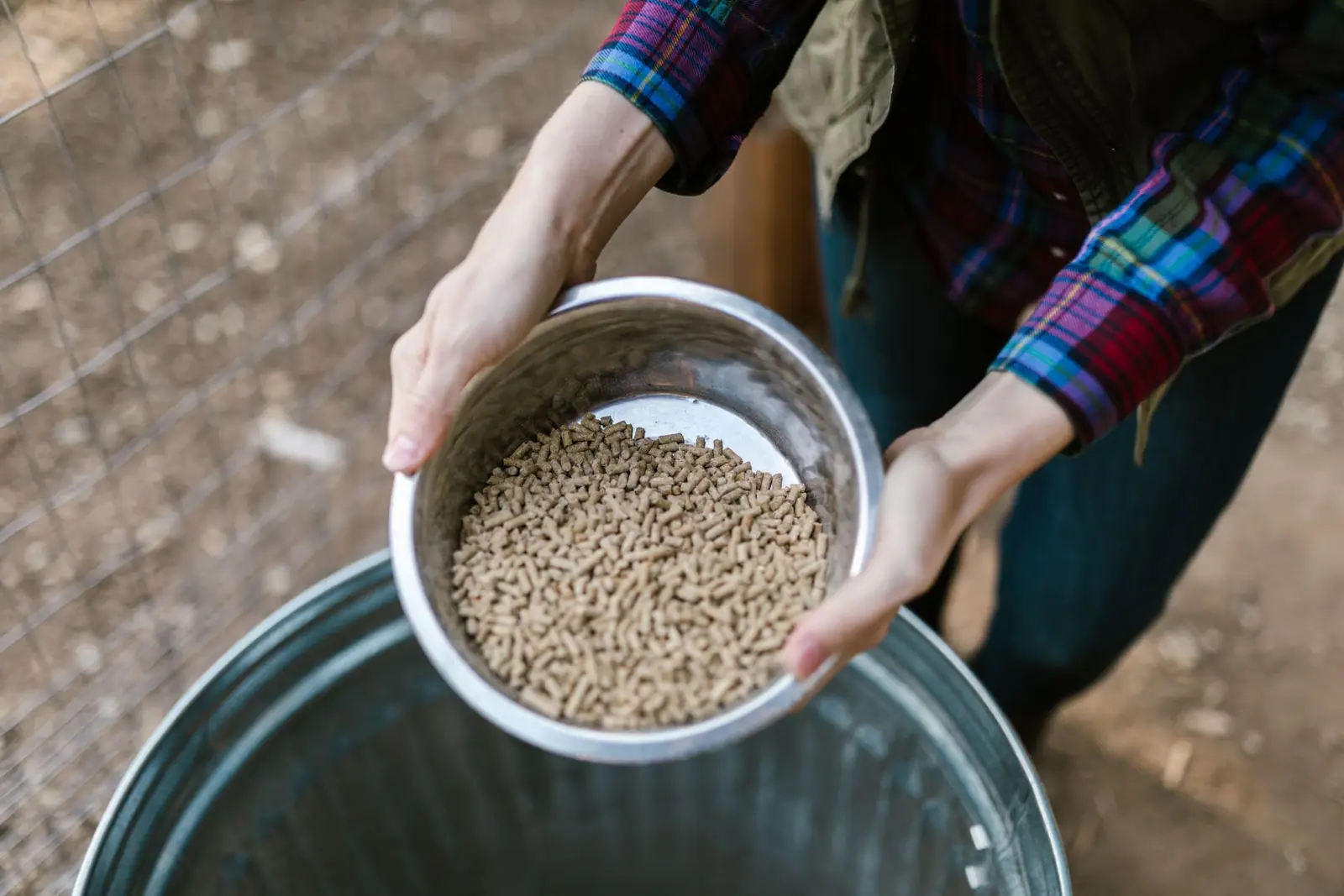
Pellets are sold by weight and are more predictable, but a pellet stove needs electricity to run, which is its own trade-off in an outage.
Is it worth it at all?
Wood heat is not a fringe choice: EIA figures put about 11 million US households, 8.9 percent, using wood for energy, with roughly 2.2 million relying on it as their main space heating fuel.
It makes most sense when:
- You have access to affordable or free wood and the means to handle it.
- You want heat that works when the power is out, which rules out most pellet stoves.
- The house has a chimney route that does not require major work.
- Somebody in the household will actually tend a fire, daily, all winter.
It makes least sense when the wood has to be bought at retail, delivered, and burned in a stove too large for the space by somebody who would rather set a thermostat.
Related reading: When an Old Stove Is Worth Replacing and Wood Stove or Pellet Stove, Decided Properly.
Questions people ask
Is there still a tax credit for wood stoves?
No. The federal Energy Efficient Home Improvement Credit covered 30 percent of the cost of a qualifying biomass stove, up to $2,000 a year, but the IRS states the credit applies to improvements made through 31 December 2025. Installations in 2026 do not qualify. Local changeout programmes may still exist.
How much of a wood stove project is the stove itself?
Often around a third. The chimney or liner, the hearth and wall protection, and the labour, permit and inspection make up the rest, and the chimney is usually the line that varies most between houses.
What emissions rating should a new stove have?
Since 15 May 2020, new stoves must meet 2.0 grams of smoke per hour on crib wood and 2.5 g/h on cord wood. A lower figure means a cleaner, more efficient stove. Older uncertified stoves emit 15 to 30 grams per hour.
Can I install a wood stove myself?
Installation is normally a permitted job, and the inspection is measured against the manufacturer's listed instructions for clearances, floor protection and chimney type. Even where self-installation is allowed, insurers frequently ask for evidence of a permitted, inspected installation.
Where these figures come from
- Choosing the Right Wood-Burning Stove US Environmental Protection Agency, Burn Wise · epa.gov
- Energy Efficient Home Improvement Credit Internal Revenue Service · irs.gov
- Best Wood-Burning Practices US Environmental Protection Agency, Burn Wise · epa.gov
- Heating Fire Safety US Fire Administration, FEMA · usfa.fema.gov
- Wood and Wood Waste US Energy Information Administration · eia.gov
Figures last checked September 2026.