On this page
A home repair budget works better as a list of jobs and service rules than as an unexplained percentage of the house’s value. The jobs you know about, the equipment already installed and the way local contractors charge determine the bills. Purchase price alone does not reveal whether the next call concerns a gasket, an appliance diagnosis or rebuilding a wet wall.
Published provider prices give reference points, but the scope travels with the number. The examples below come from Missouri, California, Maryland and Arizona. They are separate local businesses’ rates, not a package you can book from one company or a national estimate. Use them to understand how a budget line is constructed, then replace the allowances with quotes for the home.
Key figures
- $70 Show-Me Home Repairs first-hour service call
- $65 Meteor first-appliance diagnosis, standard service area
- $197.50 Example: two hours' labor and marked-up supplies
Service minimums explain why small jobs still cost money
Show-Me Home Repairs in Johnson County, Missouri, publishes an August 2026 rate card of $70 for a service call including the first hour, then $70 per hour in half-hour increments. Its materials carry a 15% markup. Larger projects are bid separately, so its hourly schedule should not be applied to every renovation.
Under that schedule, an assumed 1.5-hour small repair is $105 labor, and two hours is $140. If supplies cost an assumed $50, the markup makes them $57.50. The two-hour example then totals $197.50 before charges outside the example. Neither the time nor the supply amount is a guarantee for a particular defect.
Bundling can reduce repeated minimums when the work and booking permit it. Two separate assumed 45-minute visits each reach the $70 first-hour minimum, totaling $140. One continuous 90-minute booking is $105 at this schedule. The $35 difference is a billing comparison; it is not permission to skip drying, curing or a separate inspection.
Make a small-job list before calling: the defect, access, model or material, and the result expected. Ask which items the same contractor can undertake and which require another trade. Keep urgent leaks and unsafe failures out of a queue created solely to save a minimum charge.
Diagnosis and the eventual repair are separate budget stages
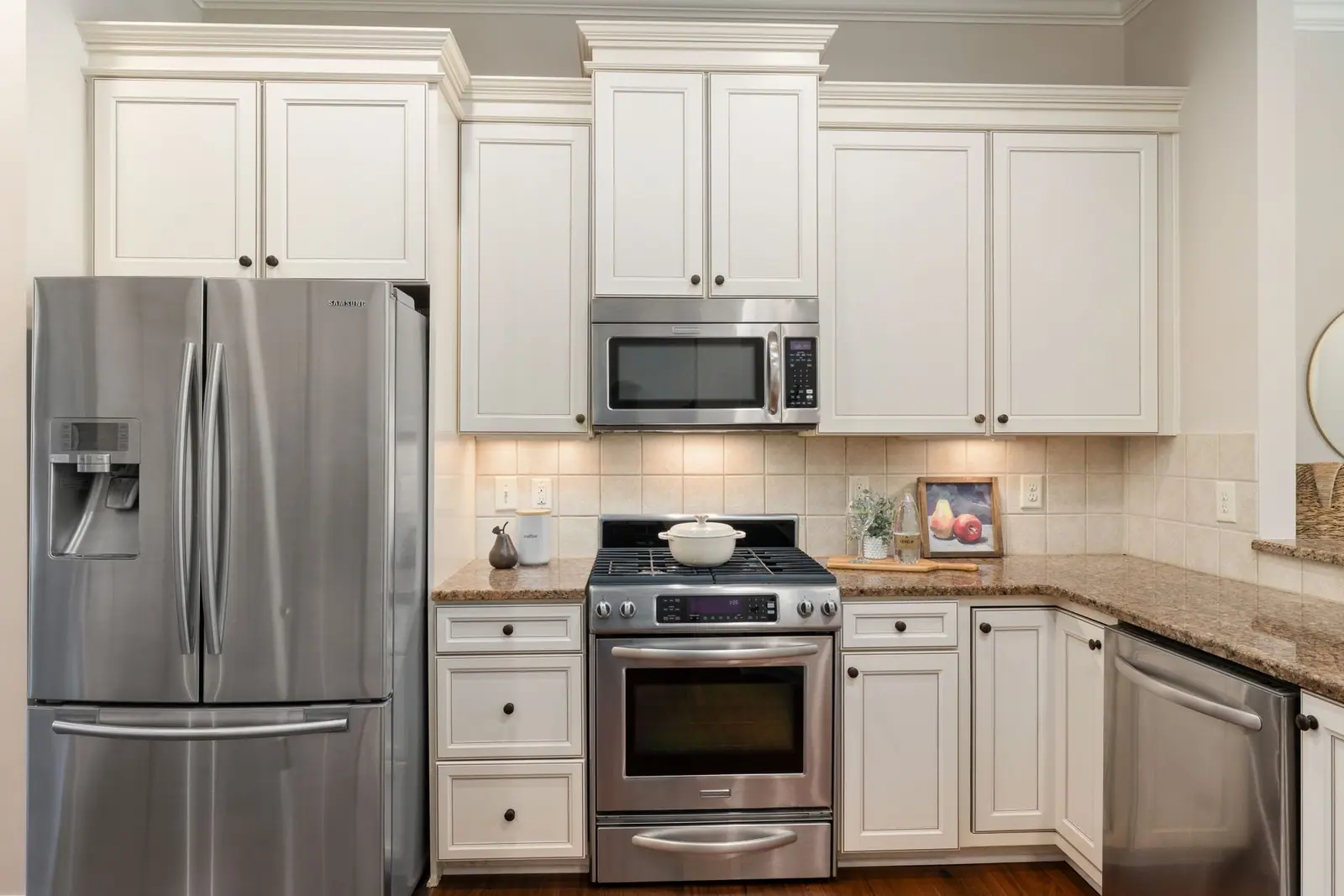
Meteor Appliance Repair publishes a $65 standard diagnostic fee plus $20 for each additional qualifying appliance at the same home. Two machines would therefore be $85 for that diagnostic arrangement. The provider’s mountain-area rate is different, and the fee rule is not universal across its service area.
Meteor says the corresponding diagnostic fee is waived with the repair. If a hypothetical repair totals $350 and a paid $65 diagnosis is credited, the remaining balance would be $285. Counting $65 plus the whole $350 again produces an inflated $415 budget. Confirm how the credit works and whether it applies separately to each machine.
The appliance repair guide separates that decision from the cost of a delivered and installed replacement. A diagnostic visit can be money well spent even when the final decision is replacement, but the budget should record the fee’s treatment rather than assume it is always extra or always free.
Project scopes prevent a cheap line from becoming a large bill
| Published reference | What the number represents | Budget boundary |
|---|---|---|
| Show-Me: $70 | First-hour small-job service call | Materials and later billed time are separate |
| Meteor: $65 | Standard-area appliance diagnosis | Credited or waived under its repair rule |
| Frederick Painting: $523 | Walls in its 10-by-12-foot room example | Ceiling, trim and other surfaces are separate |
| Frederick Painting: $223 | That room’s ceiling | Not automatically included with walls |
| Frederick Painting: $93 | That room’s baseboards | Other trim and openings can add lines |
| Desert Water: from $265 | Toilet repair service | Diagnosis and fixture condition determine scope |
| Desert Water: from $295 | Toilet replacement service | Confirm the supplied fixture and exclusions |
Sources: the four providers’ own published pages, checked October 2026. These local reference prices are not a national average. Starting service prices require a job quote, and Frederick’s table is guidance rather than a binding offer.
Frederick’s three listed painting lines total $839 for walls, ceiling and baseboards in that example. A quote based on the $523 walls line alone is missing $316 of those other surfaces. Doors, window trim, preparation outside the normal allowance and color choices can change the final project.
Desert Water’s two toilet starting prices differ by only $30, but that does not mean replacing every toilet costs $30 more than repairing it. Before drawing that conclusion, identify whether the replacement price includes the chosen fixture, haul-away and any flange work. The contractor estimate guide helps compare the finished scopes rather than partial headline numbers.
A reserve needs both an annual contribution and a starting balance
Consider a hypothetical $1,200 annual repair allocation. Saving it evenly is $100 per month. After four months the contributions total $400; after eight, $800. A planned $700 repair in the fourth month still exceeds the new contributions by $300 if there was no starting reserve. A yearly total alone does not solve timing.
Now assume an opening reserve of $600, four $100 contributions and the $700 repair. The remaining balance is $300. Add an assumed $200 diagnostic-and-minor-repair job in the same month, and it becomes $100. These invented amounts show how to track cash use; they are not a recommended reserve level or a forecast of repair frequency.
Use separate lines for work already approved, plausible jobs awaiting inspection and optional upgrades. A known bill belongs in the plan at its quoted scope. A future failure allowance should be labeled uncertain rather than presented as a contractor’s price. An upgrade can wait for a deliberate purchase decision without hiding an urgent repair inside it.
Safety and concealed damage change the priority
A leak, electrical fault or damaged structural component is a different priority from changing a paint color. Ask what has to be made safe, what can be diagnosed next and what finish work follows. Repairing a visible surface before stopping the cause can turn one planned bill into repeated work.
EPA recommends lead-safe certified contractors for renovation in pre-1978 homes. Disturbing an old coating changes preparation and containment; it is not a routine paint allowance to ignore for the sake of a lower budget. Record that assessment before pricing demolition or sanding.
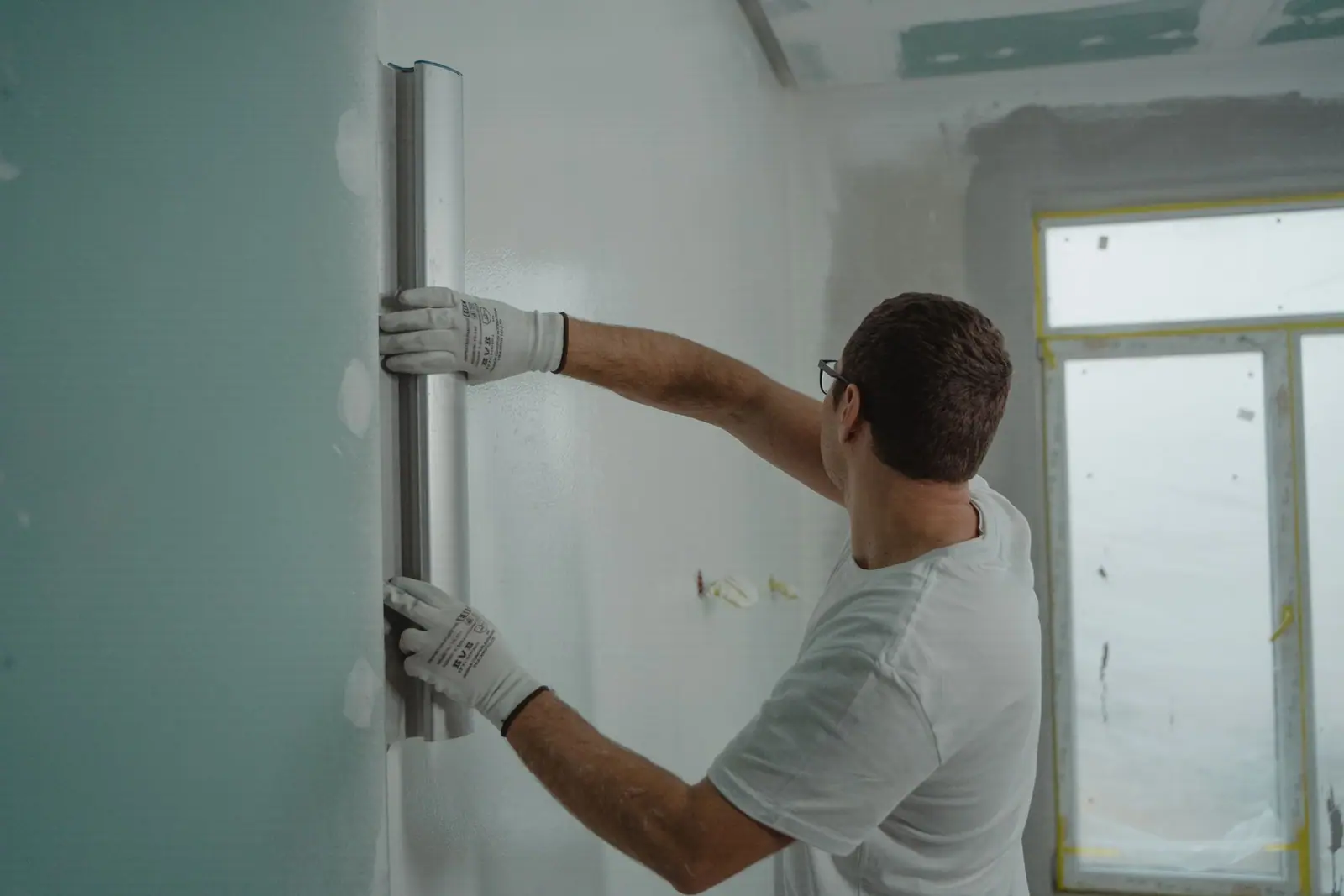
The drywall repair guide explains the difference between replacing damaged board, finishing it and painting the surrounding wall. Put each stage on the plan, including any return visit. A restoration contractor’s invoice may cover drying while leaving carpentry and decoration for another company.

Do not postpone a dangerous electrical, structural or contamination problem to fit a monthly allowance. Arrange safe assessment and identify the immediate work before deciding when optional finishes or upgrades will be purchased.
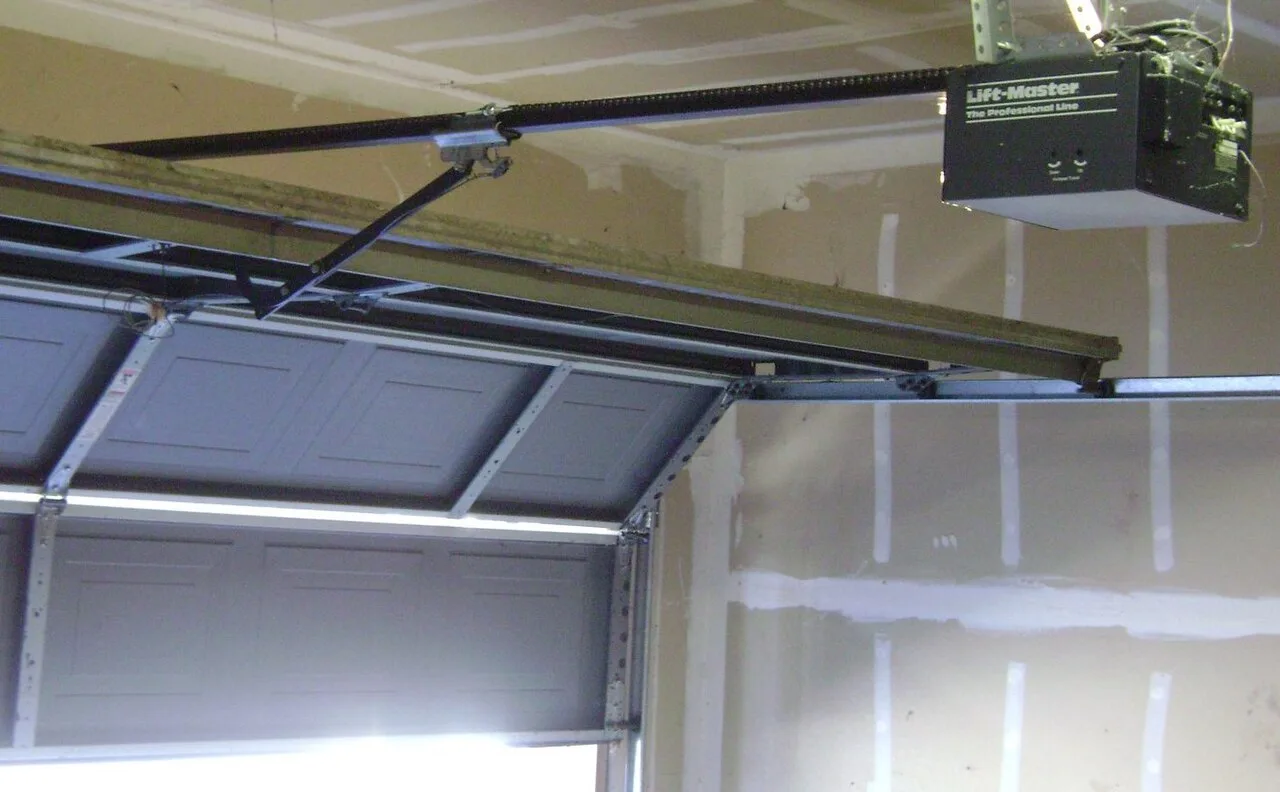
A separate garage-door repair quote can distinguish a service call, spring replacement and a new opener. Record the diagnosed job rather than assigning the same allowance to every door failure.
Invoices turn the next year’s allowance into evidence
Keep the estimate, invoice, model numbers, warranties and callback records together. Record whether a bill included materials, disposal, tax and the diagnostic credit. Next year’s plan can then use the household’s own history without misreading a labor-only invoice as a supplied-and-installed price.
The FTC recommends multiple estimates, a description of materials and work, price and completion date, and avoiding full payment up front. For budgeting, record when each agreed payment is due and what stage it purchases. A deposit and final balance are parts of the same project total, not additional repair categories.
Review the plan after a large job closes. Remove the completed allowance, record the paid total and note work deferred for a reason. The aim is an understandable ledger of decisions and obligations, not a promise that every annual bill will fit a tidy percentage.
Questions people ask
Is $100 a month enough for home repairs?
It is only the worked example here. The home, known jobs, reserve already available and local quotes determine the plan. A contribution amount does not guarantee that an early large bill is covered.
Should a diagnostic fee be added to the repair price?
Follow the provider's rule. A credited or waived fee is not added again to a repair total that already includes it. Some visits remain chargeable even when you decline repair.
Can all small jobs use the handyman hourly rate?
No. Ask which jobs qualify and which are quoted separately. Larger projects, specialized trades, return visits and material sourcing can change the billing.
Do painting prices usually include the whole room?
The cited Frederick table prices walls, ceilings and trim separately. Define the surfaces and preparation before putting a quote into the budget.
Where these figures come from
- Published August 2026 labor and material fees Show-Me Home Repairs · show-mehomerepairs.com
- Diagnostic service fees Meteor Appliance Repair · meteorar.com
- Itemized interior painting prices Frederick Painting & Supply · frederickpainting.com
- Published plumbing service prices Desert Water Plumbing & Rooter · desertwateraz.com
- Renovation, repair and painting: consumers US Environmental Protection Agency · epa.gov
- How to avoid a home improvement scam Federal Trade Commission · consumer.ftc.gov
Figures last checked October 2026.