On this page
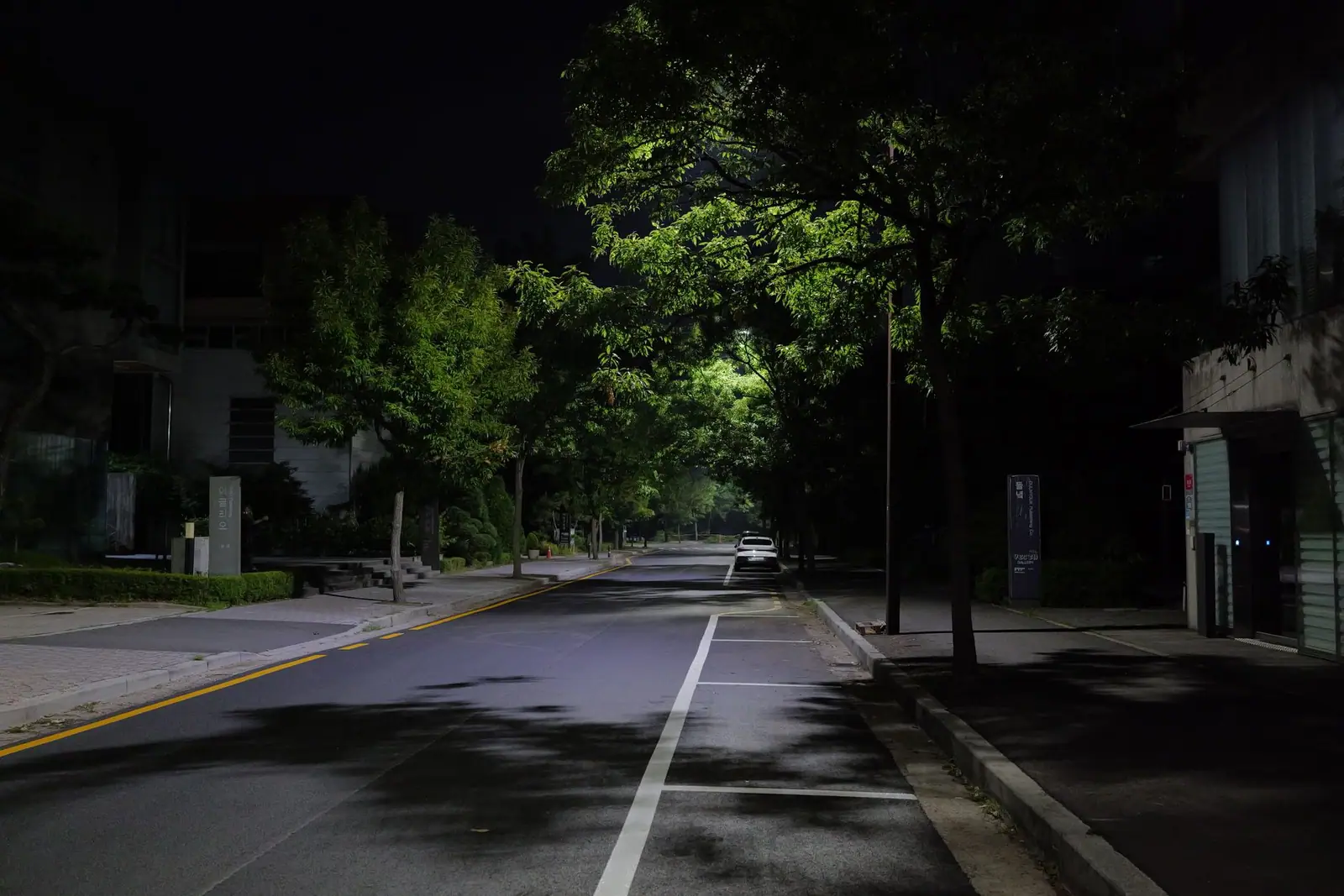
Power cuts are easy to underestimate because most of them are short. Then one storm arrives and a house without heat, light or a working fridge turns into a week of decisions made badly.
The federal data explains why both experiences are normal.
Key figures
- 11 hours US average electricity outage duration in 2024
- nearly 53 hours South Carolina average electricity outage duration in 2024
- 80 percent 2024 US outage hours caused by major events
The numbers behind that gap
The Energy Information Administration reports that US electricity customers experienced an average of 11 hours of interruptions in 2024, nearly twice the annual average of the preceding decade. Hurricanes Beryl, Helene and Milton accounted for 80 percent of those hours.
Strip out the major events and the picture is completely different: ordinary interruptions routinely average about two hours a year.
- Total, 2024about 11 hours
- Major events, 2024nearly 9 hours
- Major events, 2014 to 2023 averagenearly 4 hours
- Everyday outages, typical yearabout 2 hours
US Energy Information Administration, Electric Power Annual 2024. Major events are storms and similar declared events; the 2014 to 2023 figure is the annual average for major events over that decade.
The state figures make it starker. South Carolina customers averaged nearly 53 hours in 2024, largely because of Hurricane Helene, while customers in Arizona, the Dakotas and Massachusetts averaged under two hours.
Where the money actually goes
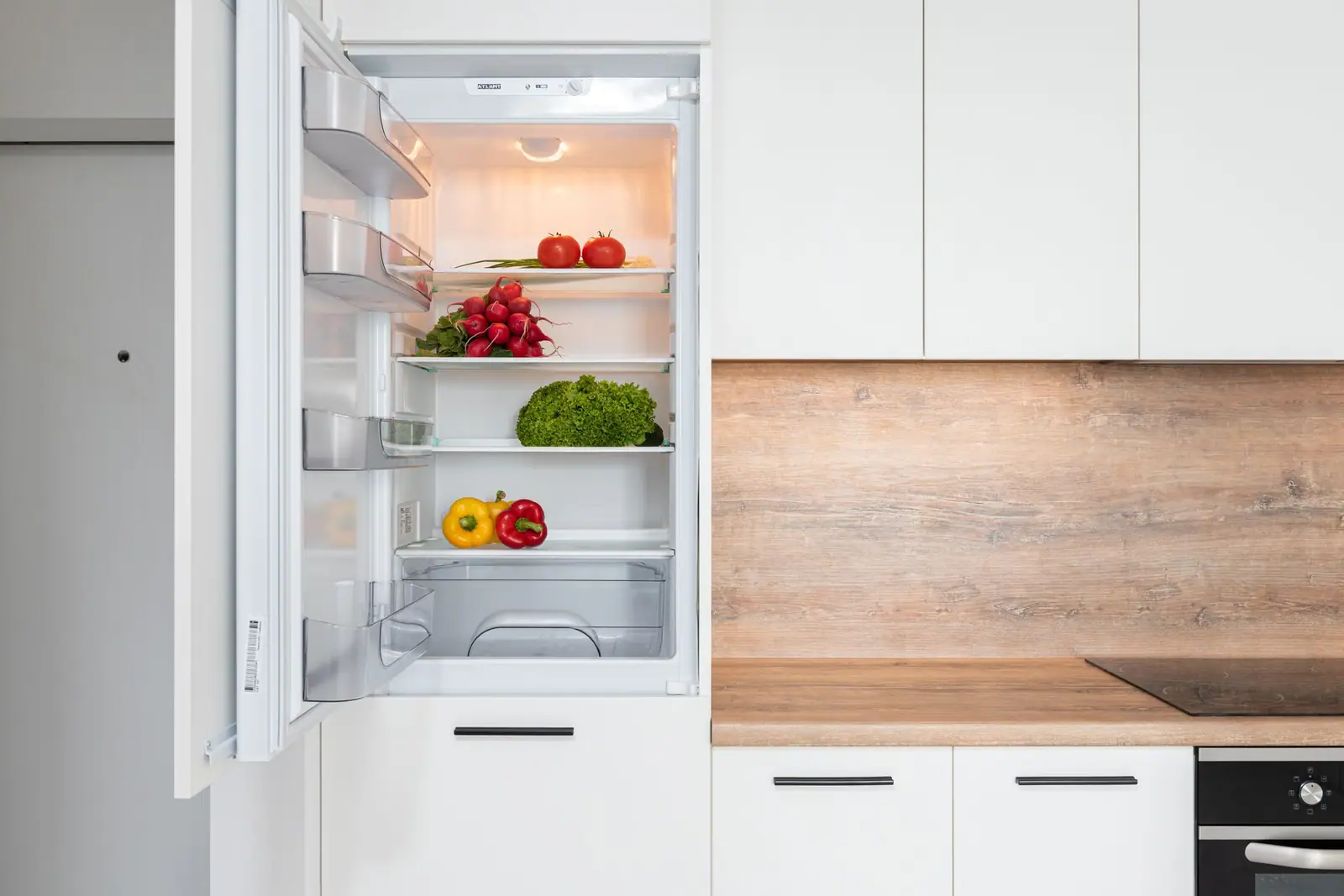
The refrigerator and the freezer. The FDA’s rule is that a closed fridge holds safe temperatures for about four hours, a full freezer for about 48 hours, and a half-full freezer for about 24.
Past that, perishable food held above 40°F for two hours or more is discarded. A full freezer is a serious amount of money to throw away.
Somewhere to sleep. In a heatwave or a hard freeze, the real question is whether the house stays habitable. Hotel nights during a regional outage are both expensive and scarce.
Work not done. For anyone who works from home, a day without power is a day of lost income or an emergency co-working bill.
Water, if you have a well. No power means no pump. Flushing toilets by hand with stored water is a real constraint.
The clean-up. Food, spoiled medication, a sump pump that stopped, the frozen pipe that split.
What to buy first, in order
- Lights and phone power. Headlamps and a power bank cost very little and solve the first evening.
- A way to keep the freezer cold. Bags of ice, frozen water bottles, or a cheap cooler. For a 24 hour cut this is all you need.
- Heat or cooling for one room. Not the house. One room you can hold at a survivable temperature.
- A battery power station, if your outages are short and indoors matters. Silent, no fuel, no exhaust, and safe to run inside.
- A generator, if your outages run into days. That is a bigger decision, and a dangerous one done badly: carbon monoxide from generators kills people every year.
Look up your own utility’s outage history rather than the national average. If your worst year was two hours, a $2,000 generator is a hobby. If your worst year was five days, it is insurance.
The part that is free
Knowing where the flashlights are, having the gas tank half full, keeping some cash, and having one out-of-town contact everyone can call. None of it costs anything and all of it is only useful if it is done before the lights go out.
Related reading: A Generator Service Plan Needs Written Coverage and Four Hours, 48 Hours, and the 40 Degree Rule.
Questions people ask
How long do power outages usually last?
Most are short. EIA data shows ordinary interruptions average about two hours a year in total, while major storm events pushed the 2024 average to about 11 hours.
How long does food last in the fridge without power?
The FDA says about four hours if the door stays closed, about 48 hours for a full freezer and 24 for a half-full one.
Is a generator worth it?
It depends entirely on how long your outages actually last. For a few hours a year, a battery and a cooler are enough. For multi-day outages, a generator changes the situation, provided it is used outdoors and well away from the house.
Which states lose power the most?
It varies by year and by storm. In 2024, South Carolina averaged nearly 53 hours because of Hurricane Helene, while several states averaged under two hours.
Where these figures come from
- Hurricanes in 2024 led to the most hours without power in the United States in 10 years US Energy Information Administration · eia.gov
- Food and Water Safety During Power Outages and Floods US Food and Drug Administration · fda.gov
- Carbon Monoxide Information Center US Consumer Product Safety Commission · cpsc.gov
Figures last checked September 2026.