On this page
A refrigerator’s backup runtime depends on stored battery energy, the energy delivered through the AC outlet and the refrigerator’s average demand. Starting the compressor is a separate power test. A power station can have enough watt-hours for a long example while still failing to start an appliance whose surge requirements exceed its supported output.
EcoFlow’s DELTA 3 Plus provides a current manufacturer example, checked in October 2026. The figures below use its rated capacity and explicit assumptions for losses and refrigerator loads. They are calculations rather than measurements of a particular kitchen, so the household’s energy use and temperature record remain the better basis for a purchase.
Key figures
- $719 EcoFlow DELTA 3 Plus, plain unit
- 819.2 Wh Example: AC energy at 80% delivery efficiency
- 10.9 Example: runtime hours at 75-watt average load
Battery capacity and output answer different questions
EcoFlow states a 1,024 Wh battery capacity and 1,800 W AC output for the DELTA 3 Plus. Watt-hours describe nominal stored energy; watts describe the rate of power delivery. Neither figure alone states refrigerator runtime. The power station’s AC conversion, own consumption and operating limits reduce the energy available to the connected appliance.
Its US store product data list the plain DELTA 3 Plus variant at $719. A 160 W panel bundle is $819 and a 220 W panel bundle is $919 in the same checked listing. Other bundles and flash-sale variants can display smaller prices. Those are different cart selections, so a page’s lowest starting figure is not necessarily the plain-unit price.
| Selected EcoFlow listing | Checked price | Purchase distinction |
|---|---|---|
| DELTA 3 Plus, plain unit | $719 | Power station variant |
| DELTA 3 Plus with 160 W panel | $819 | Named solar-panel bundle |
| DELTA 3 Plus with 220 W panel | $919 | Different panel bundle |
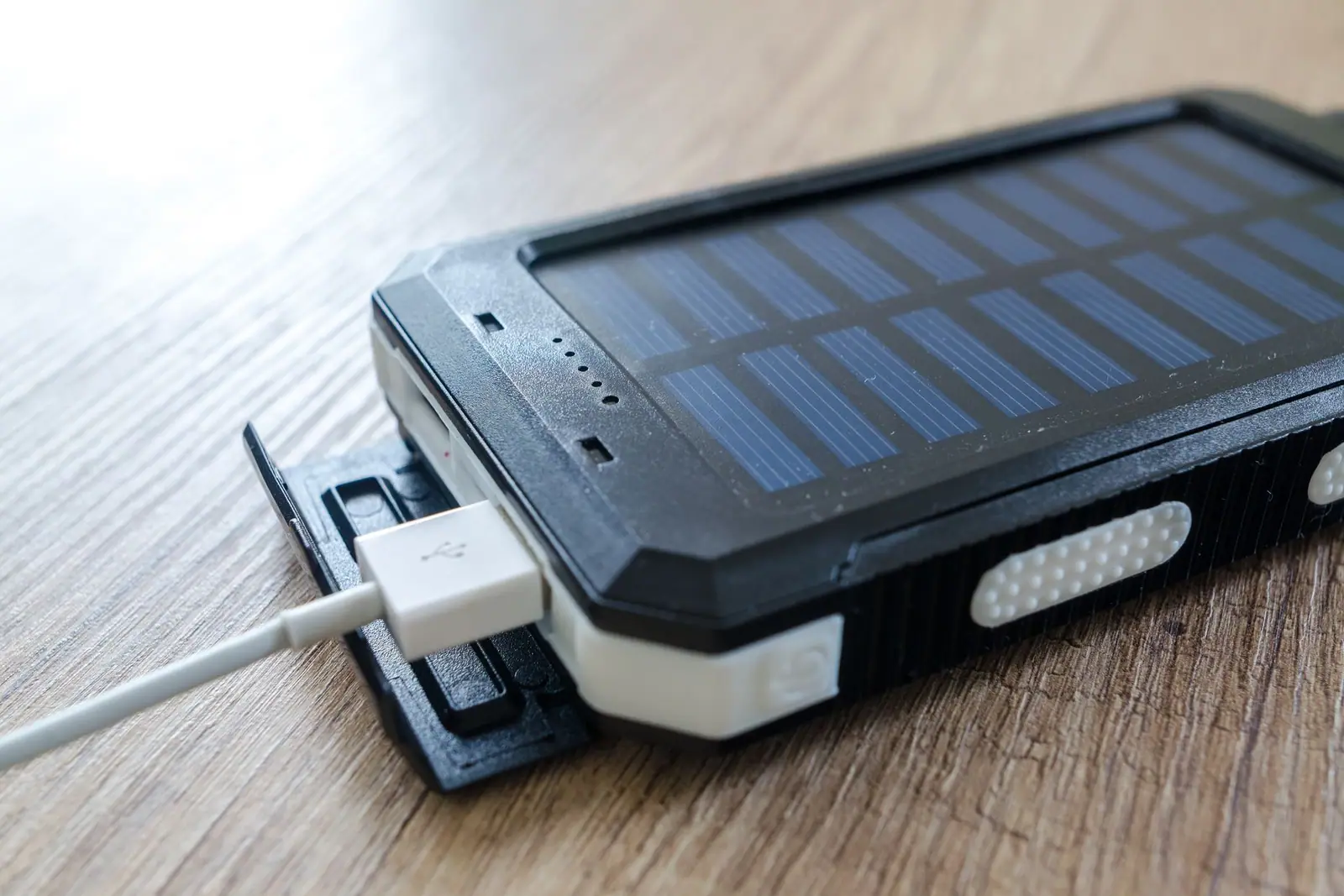
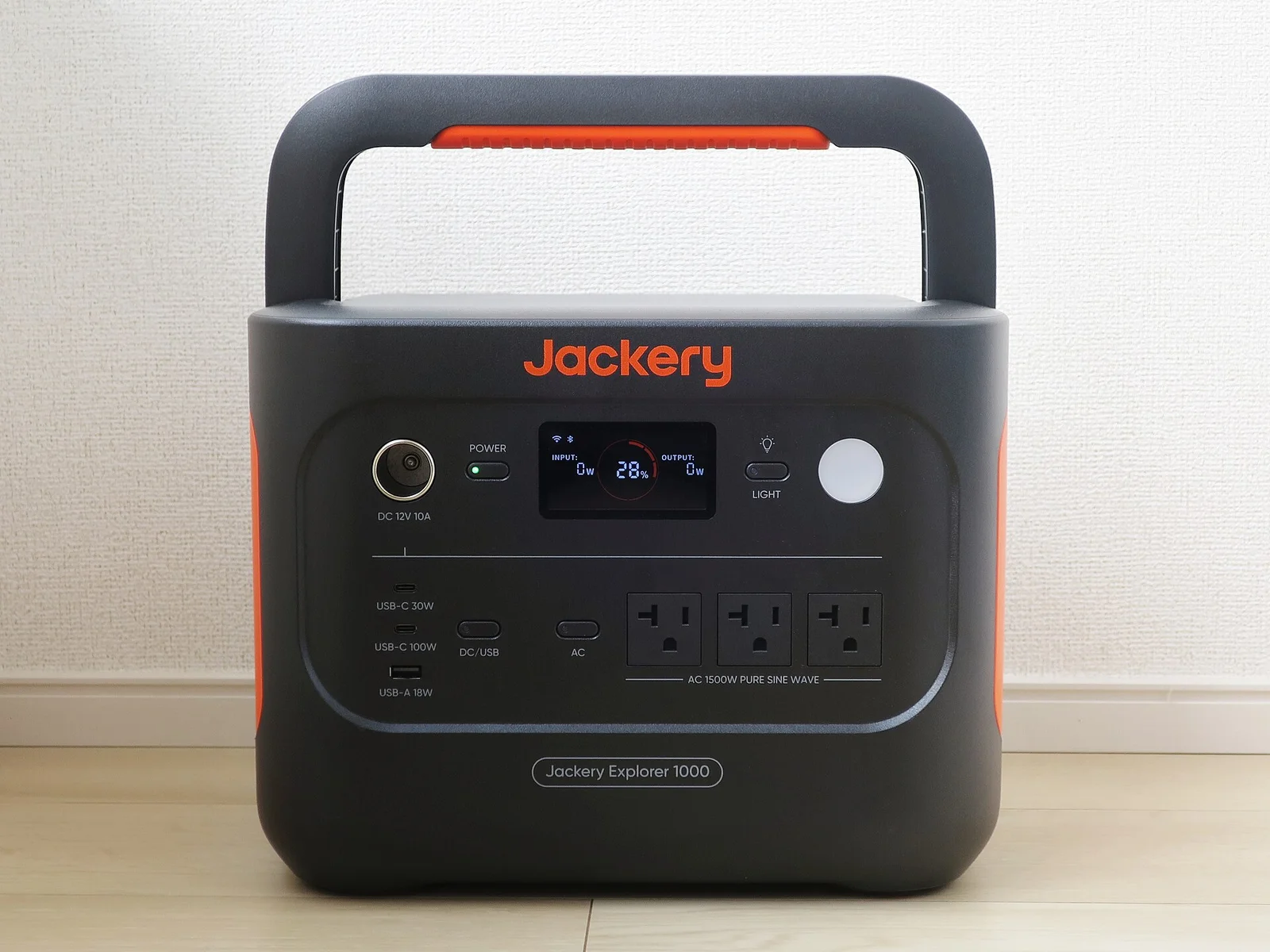
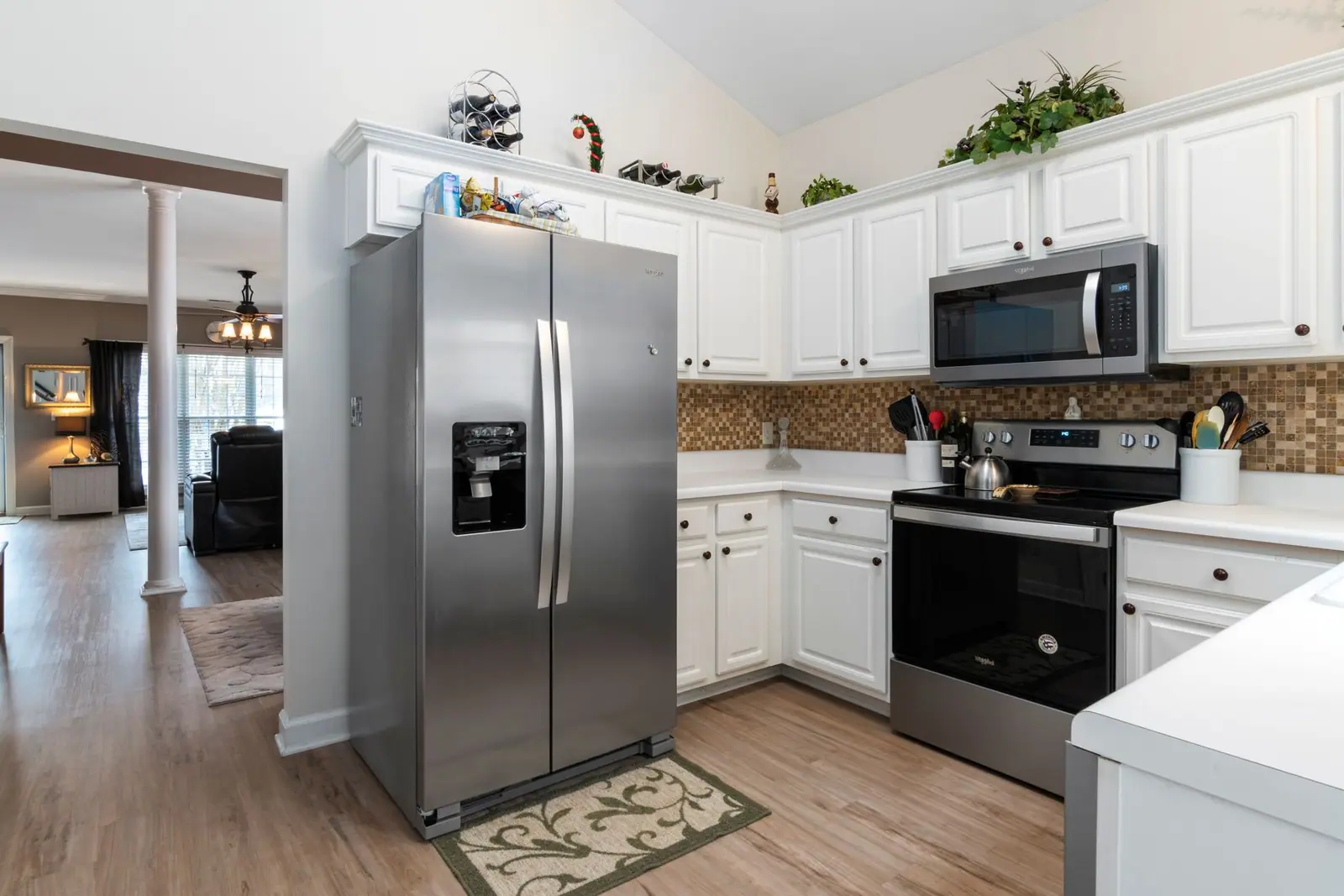
Source note: EcoFlow’s own US store variant prices and DELTA 3 Series manufacturer specifications, October 2026. Confirm the selected variant, available promotions, tax and delivered total; photos here are illustrations rather than the priced EcoFlow model.
- DELTA 3 Plus, plain unit$719
- DELTA 3 Plus with 160 W panel$819
- DELTA 3 Plus with 220 W panel$919
Source note: EcoFlow's own US store variant prices and DELTA 3 Series manufacturer specifications, October 2026. Confirm the selected variant, available promotions, tax and delivered total; photos here are illustrations rather than the priced EcoFlow model.
The $100 and $200 bundle differences do not buy guaranteed extra battery capacity. A solar panel adds a charging route, whose output depends on conditions and compatibility. Evaluate the plain battery’s supported load and energy first, then decide whether charging equipment solves another outage problem.
Average demand controls the runtime calculation
A refrigerator cycles its compressor and can run fans, heaters or defrost functions. Its demand while the compressor runs is not its average over a day. Measuring only an idle moment overstates runtime; treating compressor draw as a constant can understate it. A measurement covering normal cycles gives a more useful energy basis.
For the worked example, assume 80% of the nominal 1,024 Wh reaches the AC load. That gives 819.2 Wh. The 80% is a modeling assumption, not EcoFlow’s efficiency claim or a promised usable capacity. Divide that assumed usable energy by average watts to obtain estimated hours.
| Assumed refrigerator average load | Example calculation | Estimated hours |
|---|---|---|
| 50 W | 819.2 Wh ÷ 50 W | 16.4 |
| 75 W | 819.2 Wh ÷ 75 W | 10.9 |
| 100 W | 819.2 Wh ÷ 100 W | 8.2 |
| 150 W | 819.2 Wh ÷ 150 W | 5.5 |
Calculation note: Each row uses the same nominal battery with an assumed 80% delivered-energy factor. Loads are hypothetical averages. Battery condition, settings, temperature, cycling and additional devices can change measured runtime.
- 50-watt average16.4 hours
- 75-watt average10.9 hours
- 100-watt average8.2 hours
- 150-watt average5.5 hours
EcoFlow DELTA 3 Series specification; calculations in this article assume eighty-percent delivered energy and hypothetical average loads. Not a measurement of the reader's refrigerator.
At the 100 W example, a smaller assumed usable fraction of 70% gives 716.8 Wh and about 7.2 hours. This sensitivity check is a reason to allow a margin rather than buying a battery that exactly meets a best-case estimate. It is not a manufacturer range.
Appliance energy labels need context
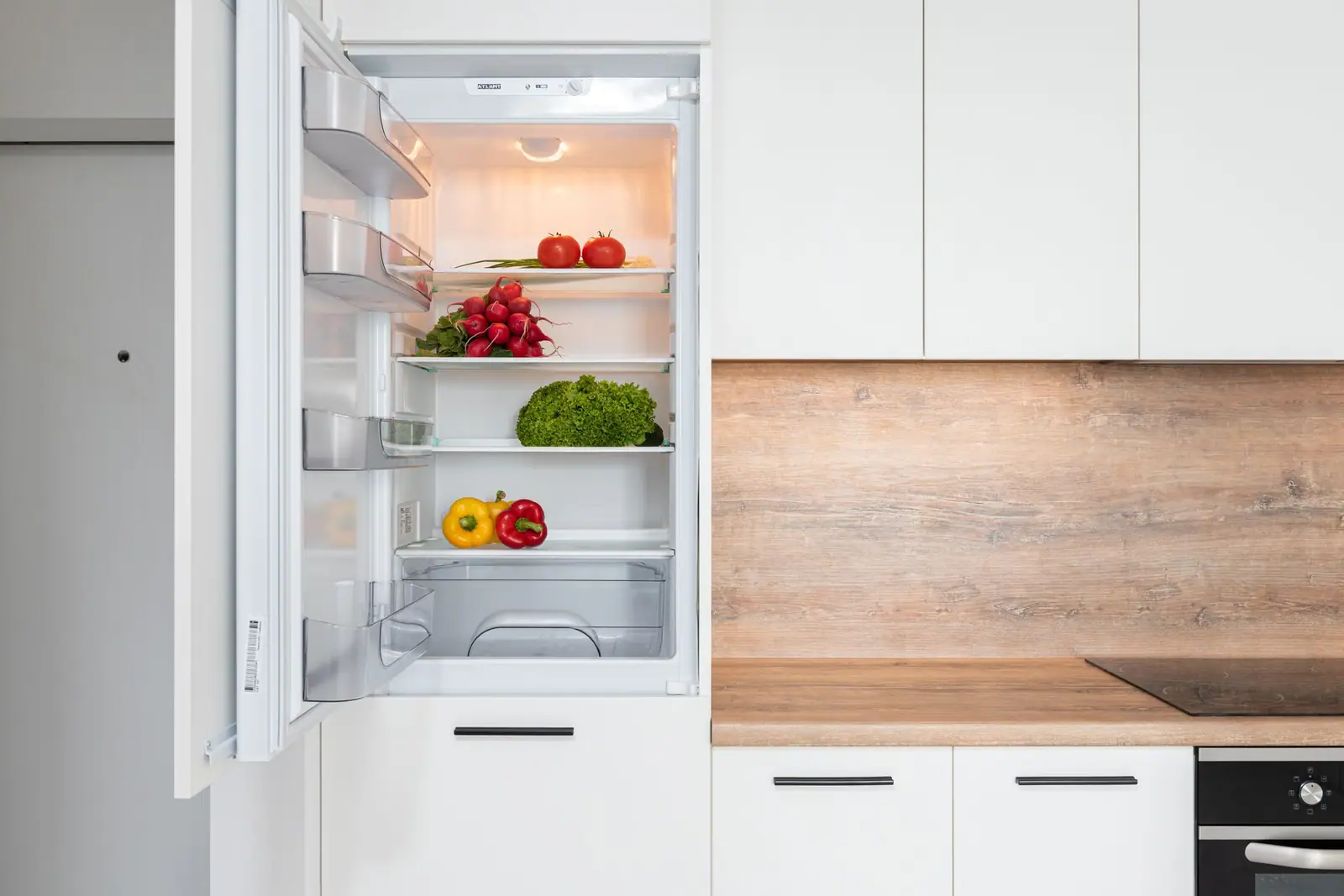
An annual energy label can provide a first estimate if its test conditions are understood. Dividing a hypothetical 438 kWh annual rating by 365 gives 1.2 kWh per day, or 50 W averaged over 24 hours. That is arithmetic for a stated example, not a claim about the refrigerator in the photograph or every refrigerator of the same size.
Warm rooms, frequent door opening, extra food cooling and defrost cycles can change the household result. Measure energy over ordinary use when possible, and keep an outage plan for more demanding conditions. The refrigerator energy-payback guide explains another reason to distinguish energy-label estimates from measured use.
Also check compressor starting compatibility using the selected appliance and power station instructions. A high surge advertisement should not be treated as a blanket approval for any refrigerator. Verify the supported AC output, starting behavior and operating mode before relying on the setup during a storm.
Adding other loads shortens the example. A 100 W refrigerator average plus an assumed 20 W of networking and charging becomes 120 W, reducing the same 819.2 Wh example to about 6.8 hours. List every connected device rather than promising the fridge’s standalone runtime while also running household equipment.
Recharging determines longer-outage coverage
A power station supports only the energy available before or during the outage. EcoFlow’s manufacturer page advertises rapid AC charging under its stated input conditions. That feature is useful when utility electricity is available before a storm, but it cannot refill an exhausted battery from a dead outlet.
Solar charging depends on the panel, sunlight, placement and the power station’s input limits. A 220 W label is not a promise of 220 W all day. Do not turn the panel bundle difference into “unlimited refrigerator backup.” Develop the charging scenario separately from the first battery discharge.
The generator and battery guide compares longer-outage choices. If a fuel generator recharges a battery, its fuel and outdoor operating requirements remain. The battery’s indoor convenience does not make the combustion generator safe inside a garage or house.
Food temperature remains the safety test
FoodSafety.gov says an unopened refrigerator generally keeps food safe for up to four hours during a power outage. Its food chart applies a two-hour condition at 40°F or above to many refrigerated perishables, including meat, milk and eggs. Those statements concern time and temperature, not the percentage displayed on a battery.
Use appliance thermometers and the government’s food-specific discard guidance; never taste food to decide whether it is safe. Follow the power station and refrigerator instructions. Any fuel generator used for charging belongs outside at least 20 feet from the home under CPSC guidance, with exhaust away from openings.
A battery that stops after an estimated eight hours does not establish when the refrigerator warmed above a threshold, and one that stays on does not prove every item remained cold. Keep the food-safety outage guide with the temperature record and backup plan. Compare power stations using tested appliance compatibility, measured energy and the outage duration the household is trying to cover.
Questions people ask
How long would a 1,024 Wh power station run a fridge?
With an assumed 80% delivered-energy factor, a 100 W average load calculates to 8.2 hours. That is a model, not a measured runtime for every refrigerator.
Is the refrigerator's running wattage its average demand?
No. Compressor cycling, fans and defrost can change average energy use. A measurement over normal use is more informative than an idle or compressor-only reading.
Does adding a solar panel guarantee all-day backup?
No. A panel is a charging route whose production depends on conditions and the supported input. Model the charging scenario separately.
Can battery runtime decide whether food is safe?
No. Use food temperature and the government's item-specific guidance. A battery display is not a thermometer.
Where these figures come from
- DELTA 3 Plus US store and selected plain-unit variant EcoFlow · us.ecoflow.com
- DELTA 3 Series rated capacity and AC output EcoFlow · ecoflow.com
- Food-specific power-outage discard chart FoodSafety.gov · foodsafety.gov
- Portable generator carbon monoxide precautions Consumer Product Safety Commission · cpsc.gov
Figures last checked October 2026.