On this page
Most outage advice is about comfort. For a household that depends on refrigerated medication or a powered device, it is about something else entirely, and the planning has to happen on a calm afternoon rather than in the dark.
Medicines that live in the fridge
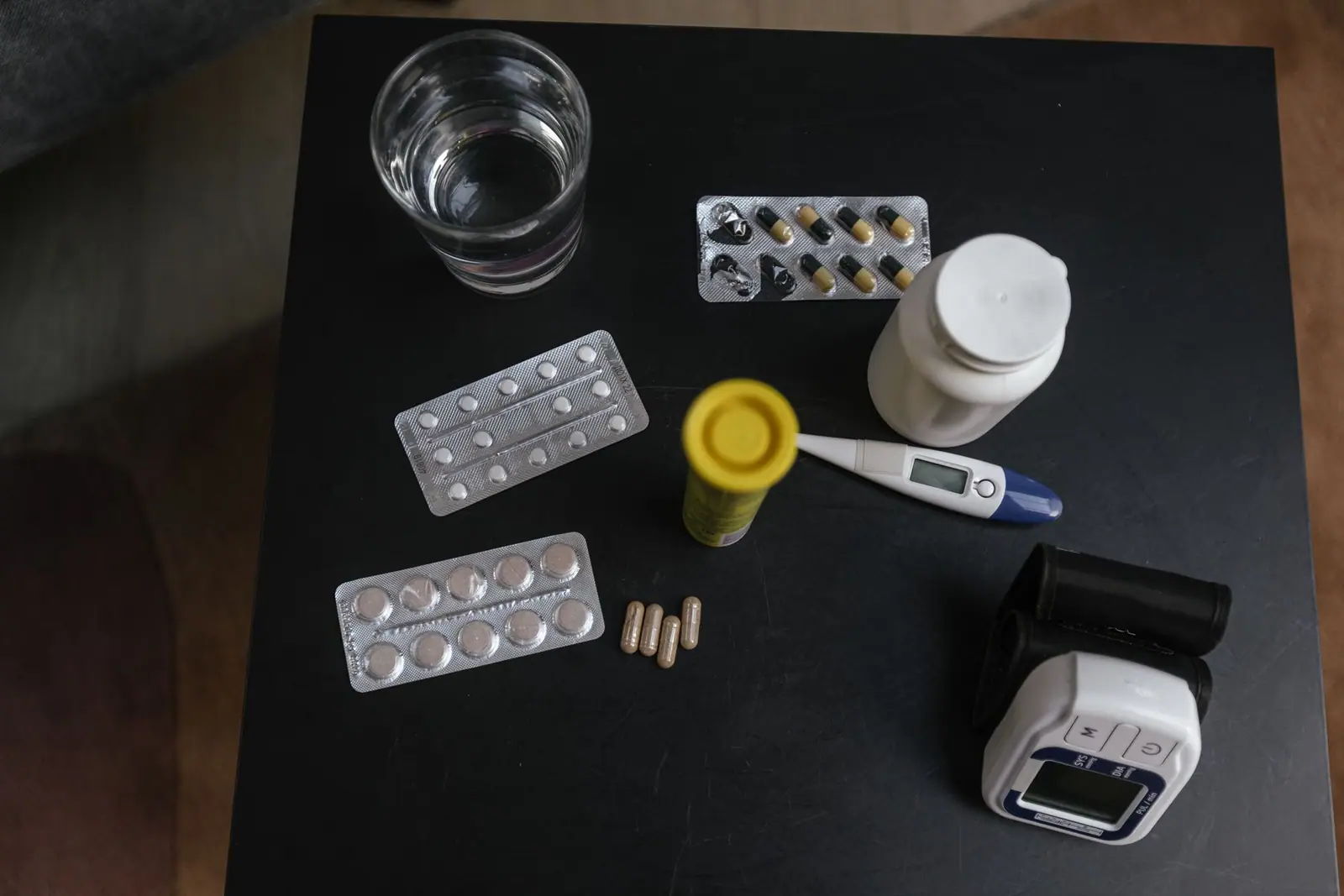
Insulin, some antibiotics in liquid form, certain injectables and biologics all have a labelled temperature range.
The FDA’s guidance after a natural disaster is direct: if a medicine has not been kept at the recommended temperature, check the storage instructions or contact a pharmacist, healthcare provider or the manufacturer to find out whether it can still be used.
For insulin specifically, the agency’s guidance is that if insulin is needed to sustain life and a replacement is not readily available, it may be used until a new supply can be obtained, and that vials exposed to extreme conditions should be discarded and replaced as soon as properly stored insulin is available.
The labelled storage range from all three US manufacturers is approximately 36°F to 46°F.
A cooler and frozen gel packs, bought in advance and kept where you can find them, is the whole plan for a 24 hour outage. Do not let medicine sit directly against ice: cold enough to freeze is its own problem for many drugs.
Powered devices
Oxygen concentrators, CPAP and BiPAP machines, nebulisers, feeding pumps, infusion pumps, powered wheelchairs and home dialysis all stop when the power does.
What to sort out before a storm season:
- Ask the supplier what the backup options are. Many devices have an optional battery, a DC car adapter, or a manual alternative.
- Work out the watt-hours your device needs for a night, and size a battery station to it. This is the one case where buying backup power is not optional.
- Keep the car fuelled. A car is a charger and, in an emergency, a warm or cool room.
- Know your hospital route and which pharmacies nearby have generators.
Register with the utility, and do not rely on it
Most utilities keep a medical baseline or critical care register. Being on it can mean advance notice of planned outages and, in some cases, priority for restoration.
It does not guarantee your power comes back first. Treat it as one layer, not a plan.

The paperwork that matters when you evacuate
- A current medication list with doses, and the prescribing doctor’s number.
- Copies of prescriptions and insurance cards.
- A written list of device model numbers and the supplier’s emergency line.
- At least a week of medication kept in the go-bag and rotated so it does not expire.
FEMA’s Emergency Financial First Aid Kit has a medical section built for exactly this, and filling it in once is far easier than reconstructing it in a shelter.
After the outage
Go back through every refrigerated medicine and make the call rather than guessing. Ask your pharmacist about what got warm and for how long. Replace what they say to replace, and ask them to note the disaster on the claim: insurers frequently allow early refills after a declared emergency.
Related reading: Internet Backup Power Cannot Promise a Connection and Generators: 20 Feet Away, Every Time.
Questions people ask
Is insulin safe after a power outage?
The FDA says insulin needed to sustain life may be used if no replacement is available, and that vials exposed to extreme conditions should be discarded and replaced once properly stored insulin is available. Ask your pharmacist about your specific product.
How do I keep medicine cold without power?
Have a cooler and frozen gel packs ready in advance, and keep a thermometer inside. Avoid letting the medicine touch ice directly, since freezing damages many drugs.
Will the utility restore my power first if I have a medical device?
Being on a medical register can mean notification and in some cases priority, but it is not a guarantee. Plan for backup power of your own.
Can I get an early prescription refill before a storm?
Often yes, particularly once an emergency is declared. Ask your pharmacy before the storm rather than after.
Where these figures come from
- Safe Drug Use After a Natural Disaster US Food and Drug Administration · fda.gov
- Information Regarding Insulin Storage and Switching Between Products in an Emergency US Food and Drug Administration · fda.gov
- Emergency Financial First Aid Kit Ready.gov, FEMA · ready.gov
Figures last checked September 2026.