On this page
Water is the supply that matters first and the one people stock last, because turning on a tap is a thing that always works until the day it does not.
Key figures
- one gallon Daily drinking and sanitation water per person
- 12 gallons Example: three-day water for four people
- 56 Example: gallons for four people over two weeks
How much
Ready.gov’s guidance is to store at least one gallon of water per person per day for several days, for drinking and sanitation. FEMA suggests considering a two-week supply at home where you have the space.
Two adjustments to that baseline:
- Pets need their own supply, and dogs in particular drink more than people expect in heat.
- Children, nursing mothers, sick people and anyone in a hot climate need more than the baseline gallon.
For a family of four, three days is 12 gallons. Two weeks is 56, which is about one pallet of bottled water or seven large containers under a bed.
What to store it in
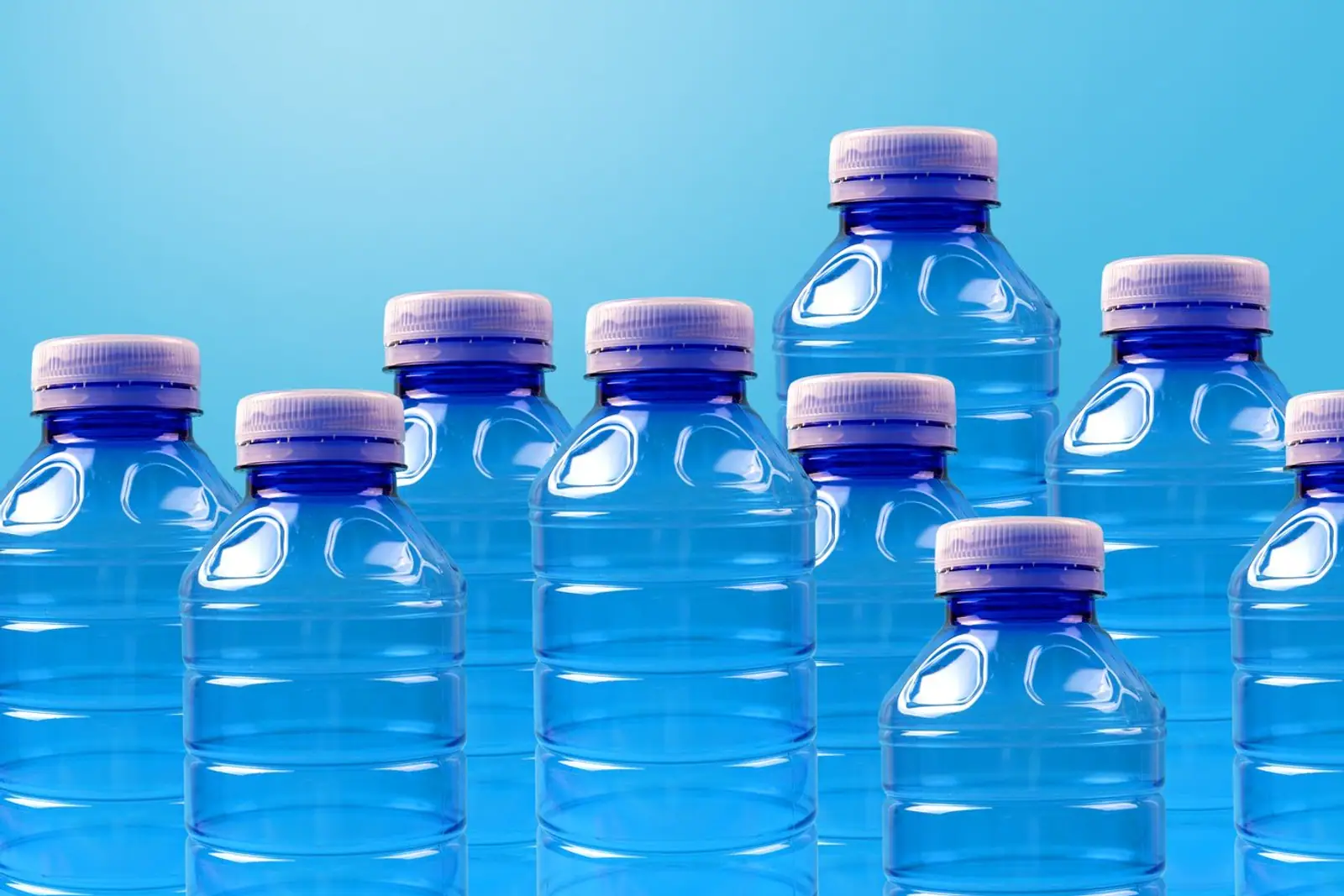
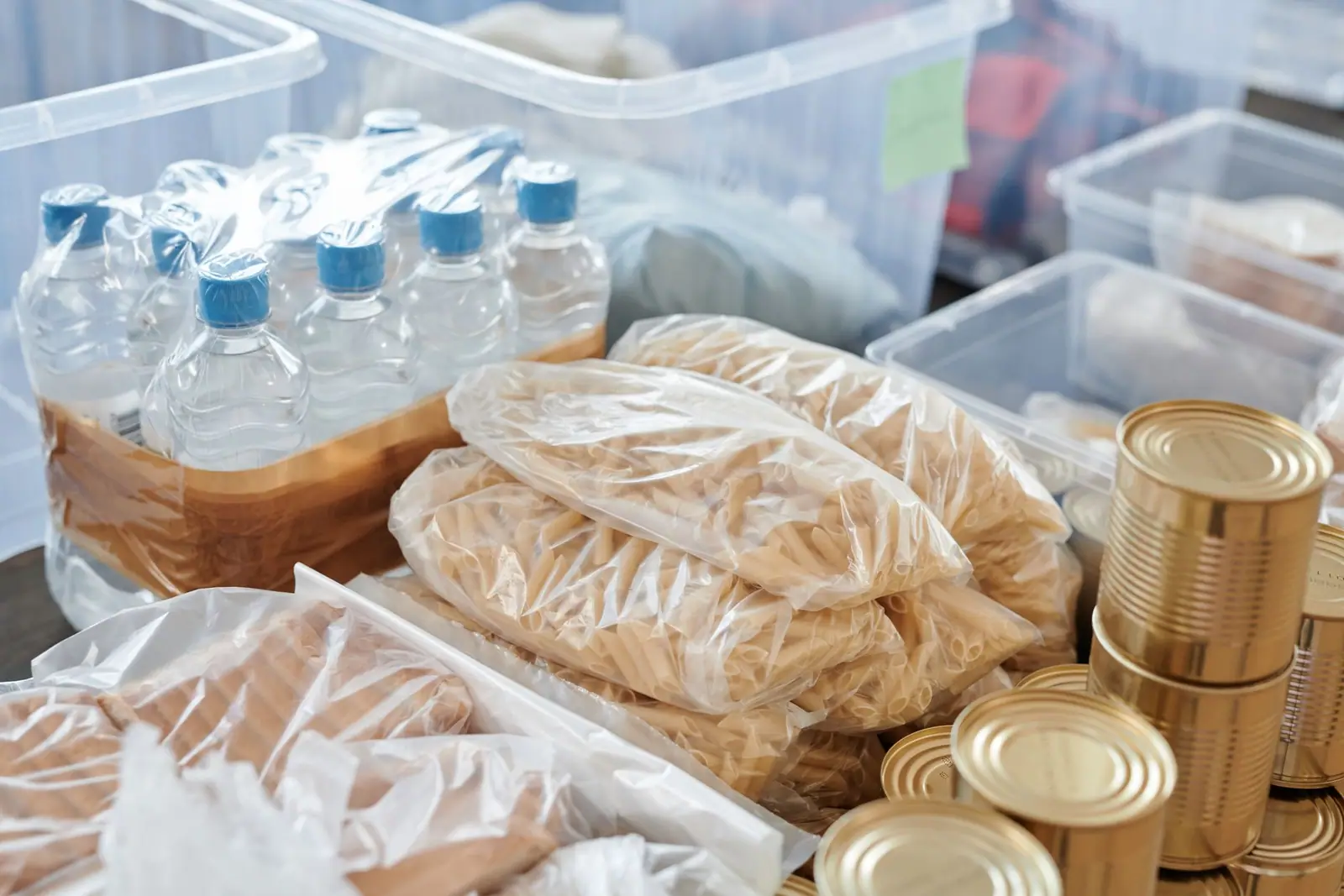
- Commercially bottled water in its sealed original container is the simplest option. Store it somewhere cool and dark and respect the date on it.
- Food-grade containers for water you bottle yourself, sanitised before filling.
- Replace home-bottled water every six months.
Avoid containers that held milk or juice: the residue is impossible to remove fully and the water spoils.
A water heater holds tens of gallons, and it is drinkable if you turn off the power or gas to it first and let it cool. Ice in the freezer counts. The tank on the back of a toilet is usable in an emergency, the bowl is not.
Making questionable water safe
Boiling is the most reliable method. Bring it to a rolling boil for one minute, then let it cool. Cloudy water should be filtered through a clean cloth or allowed to settle first.
Chlorination, when boiling is not possible. The FDA’s guidance is to add one eighth of a teaspoon, roughly eight drops, of unscented household liquid bleach at 5.25 percent concentration per gallon, stir well, and wait 30 minutes before use.
Use plain bleach, never scented, colour-safe or bleach with added cleaners.
Distillation removes heavy metals and most chemicals, which boiling and bleach do not, and is impractical at any volume.
None of these make flood water safe. Flood water carries sewage, fuel and chemicals, and no home treatment deals with that.
Water for everything that is not drinking
Flushing, washing and cleaning use far more than drinking does. Before a forecast storm:
- Fill the bath and any large containers.
- Fill the washing machine drum if it holds water.
- Fill jugs and bottles for washing hands.
A bath holds enough to flush a toilet for a couple of days, which is the sanitary problem most households have not thought about.
If the water comes back but is under notice
Follow the boil-water notice exactly, including for brushing teeth and washing food. Notices are issued because the system lost pressure and may have drawn in contamination, and they are lifted only after testing.
Related reading: The Plan Is Four Answers, Not a Binder and Make Sure a Warning Can Actually Reach You.
Questions people ask
How much water should I store for an emergency?
At least one gallon per person per day. Ready.gov suggests several days as a baseline, with a two-week supply worth considering where you have space.
Does stored water expire?
Commercially bottled water carries its own date. Water you bottle yourself should be replaced every six months.
How do I purify water at home?
Boil for one minute where possible. Otherwise the FDA's guidance is one eighth of a teaspoon of unscented 5.25 percent household bleach per gallon, stirred and left for 30 minutes.
Can I drink water from the water heater?
Yes, if you turn off the power or gas to it first and let it cool before draining. It is one of the largest reserves already in most houses.
Where these figures come from
- Water Ready.gov, FEMA · ready.gov
- Food and Water Safety During Power Outages and Floods US Food and Drug Administration · fda.gov
Figures last checked September 2026.