On this page
A warning system only works if the warning arrives. In a real event the mobile network is the first thing to fail, which is why the answer is layers rather than one app.
Layer one: Wireless Emergency Alerts
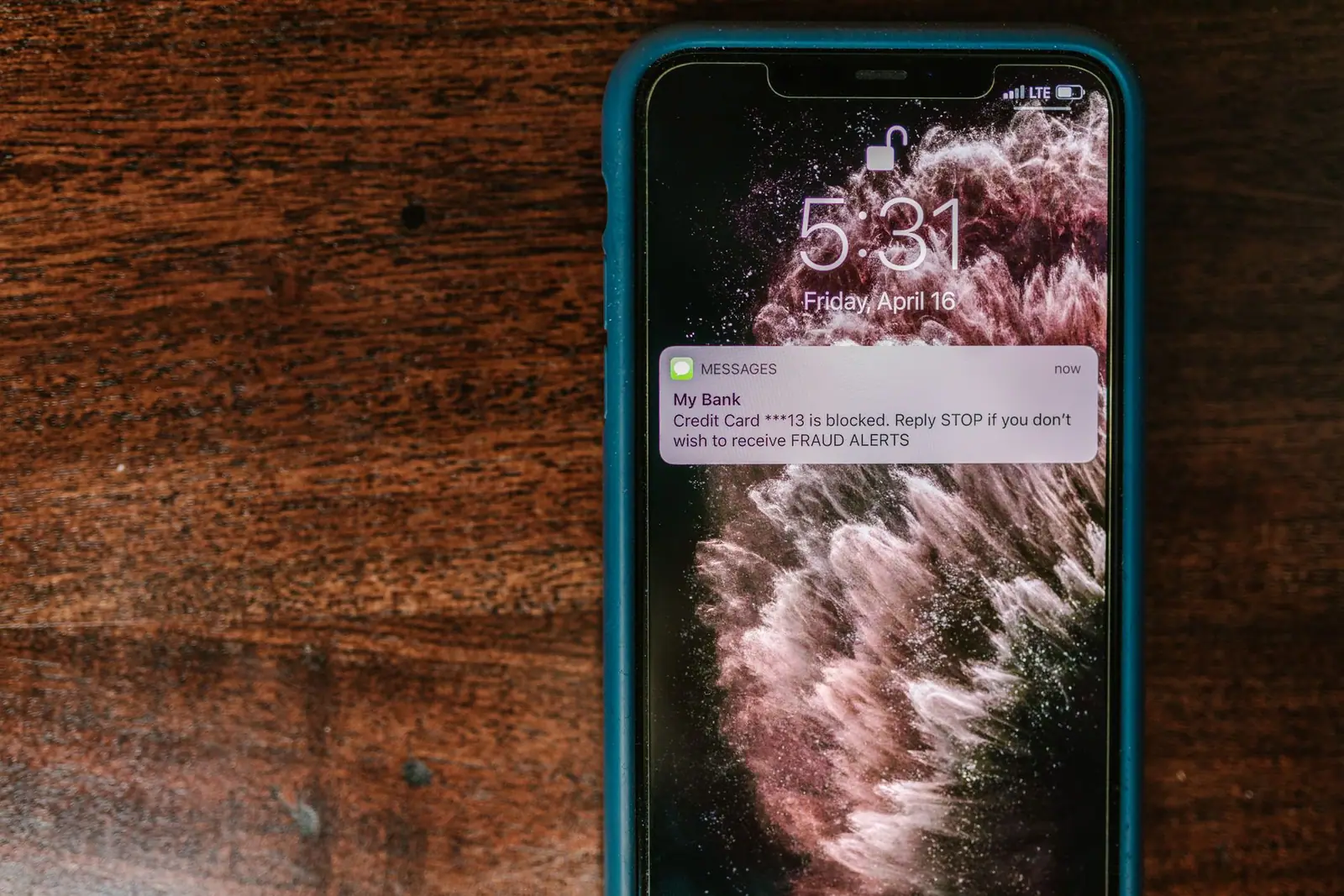
WEA messages are the ones that arrive with the distinctive tone and vibration. Authorised public safety officials send them through FEMA’s alerting system to participating carriers, which push them to phones in the affected area.
The details worth knowing, from the FCC:
- No sign-up, and free. If your phone is WEA-capable, switched on, not in airplane mode and in range of a participating carrier, it can receive them.
- Location-based, not subscription-based. Alerts reach phones in the targeted area, including visitors roaming from another state.
- Precisely targeted. Since December 2019, participating providers must deliver alerts to the specified area with no more than a tenth of a mile overshoot on compatible phones.
Check your phone’s emergency alert settings once and turn them all on. Some categories can be switched off, and people often do it after one late-night test.
Layer two: NOAA Weather Radio
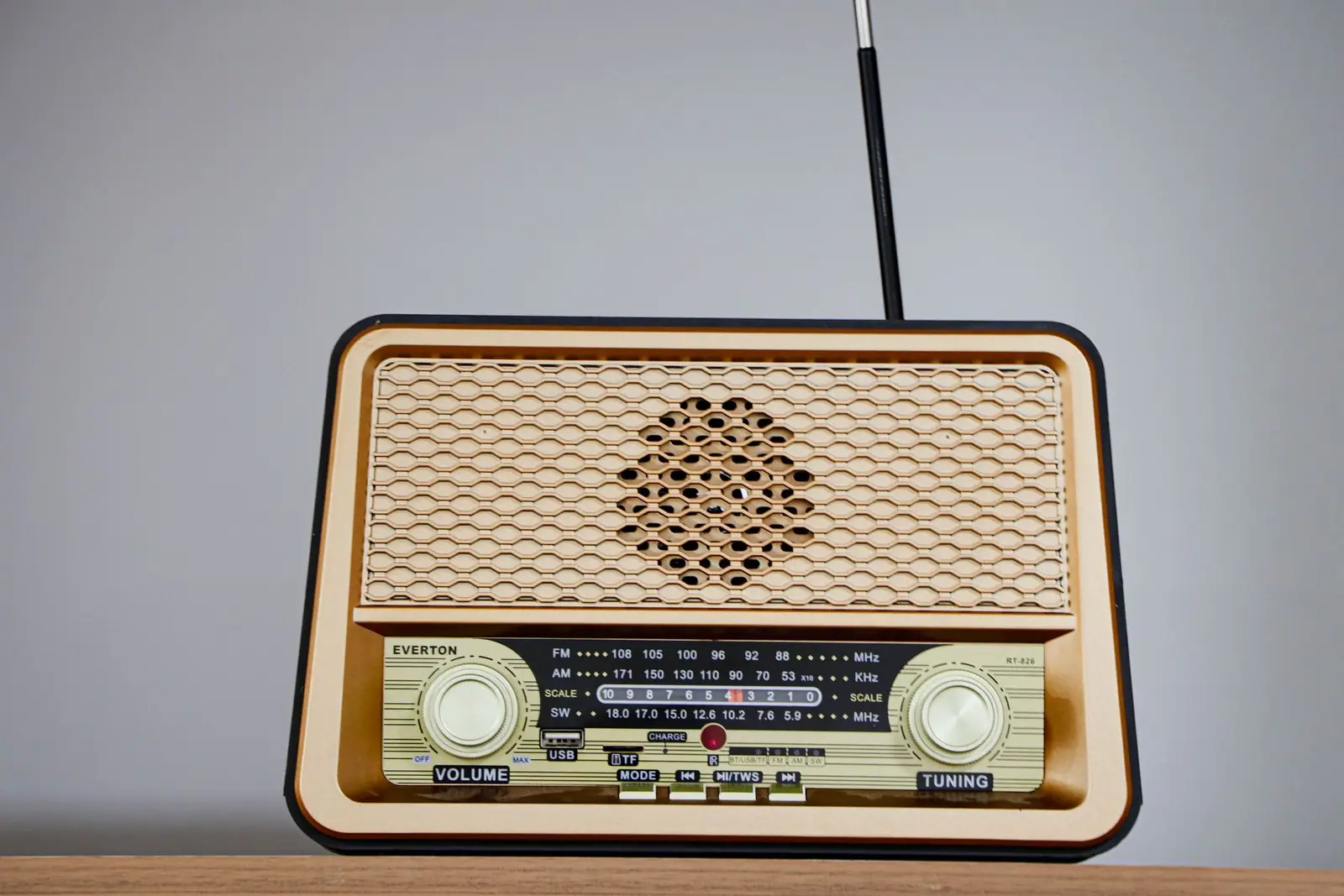
A dedicated radio receiver that picks up continuous broadcasts from the nearest National Weather Service office. The network covers all 50 states through more than 1,000 transmitters.
Why it is the layer that actually matters in a disaster:
- It works when the mobile network is down or congested.
- It runs on batteries, so it works without power.
- It carries all-hazards alerts, not just weather, when state or local officials request it.
- SAME codes let you program the specific county or counties you care about, so the radio only wakes you for alerts that apply to you.
Without it, a weather radio alerts for every county the transmitter covers, which is how people end up switching it off. With it, the alarm means something.
Layer three: local opt-in systems
Most counties and cities run their own notification system for evacuations, boil-water notices, road closures and shelter openings. These are opt-in: they reach you only if you signed up, and they carry the local detail that national systems do not.
Search for your county’s name with “emergency alerts” and register the numbers of everyone in the household, including a landline if you have one.
The things that break this
- Phone on silent or in a drawer at night. Emergency alerts override most silent settings on most phones, but confirm yours does.
- Alerts switched off after an annoying test.
- No signal at home, which is common in rural areas. The weather radio matters most exactly where the phone works least.
- Relying on a weather app, which needs data and a charged phone, and which is not the alerting system.
- Everyone in the house depending on one person’s phone.
Once a year
Check the alert settings on every phone in the house, test the weather radio and change its batteries, and confirm your local sign-up still has the right numbers. Ten minutes, once a year, and it is the part of preparedness that costs nothing.
Related reading: A Gallon Per Person Per Day, and How to Store It and The Paperwork That Decides How Fast You Recover.
Questions people ask
Do I need to sign up for wireless emergency alerts?
No. WEA messages are sent to capable phones in the targeted area automatically, at no cost, provided your carrier participates and alerts are enabled on the handset.
Why did I get an alert for an area I am not in?
Targeting has limits, though since December 2019 participating carriers must keep overshoot to within a tenth of a mile on compatible phones. Older handsets may receive a wider area.
Is a weather radio still worth buying?
Yes, particularly where mobile coverage is poor. It runs on batteries and is independent of the mobile network, which fails early in large events.
What is a SAME code?
A county-specific code you program into a weather radio so it only alerts for the areas you choose, rather than everything the transmitter covers.
Where these figures come from
- Wireless Emergency Alerts (WEA) Federal Communications Commission · fcc.gov
- NOAA Weather Radio All Hazards National Weather Service, NOAA · weather.gov
- Make a Plan Ready.gov, FEMA · ready.gov
Figures last checked September 2026.