On this page
Emergency kits are easy to buy and easy to forget, which is why so many of them are useless on the day. The fix is not a longer list; it is a shorter one that lives somewhere sensible and gets checked.
Key figures
- one gallon Daily emergency water reserve per person
- three days Food and water duration for a go-bag
- Two weeks Food and water duration for home reserves
The core, from Ready.gov
- Water: one gallon per person per day, for several days.
- Food: several days of non-perishable food that needs no cooking.
- Battery or hand-crank radio, ideally with NOAA weather alerts.
- Torch and spare batteries.
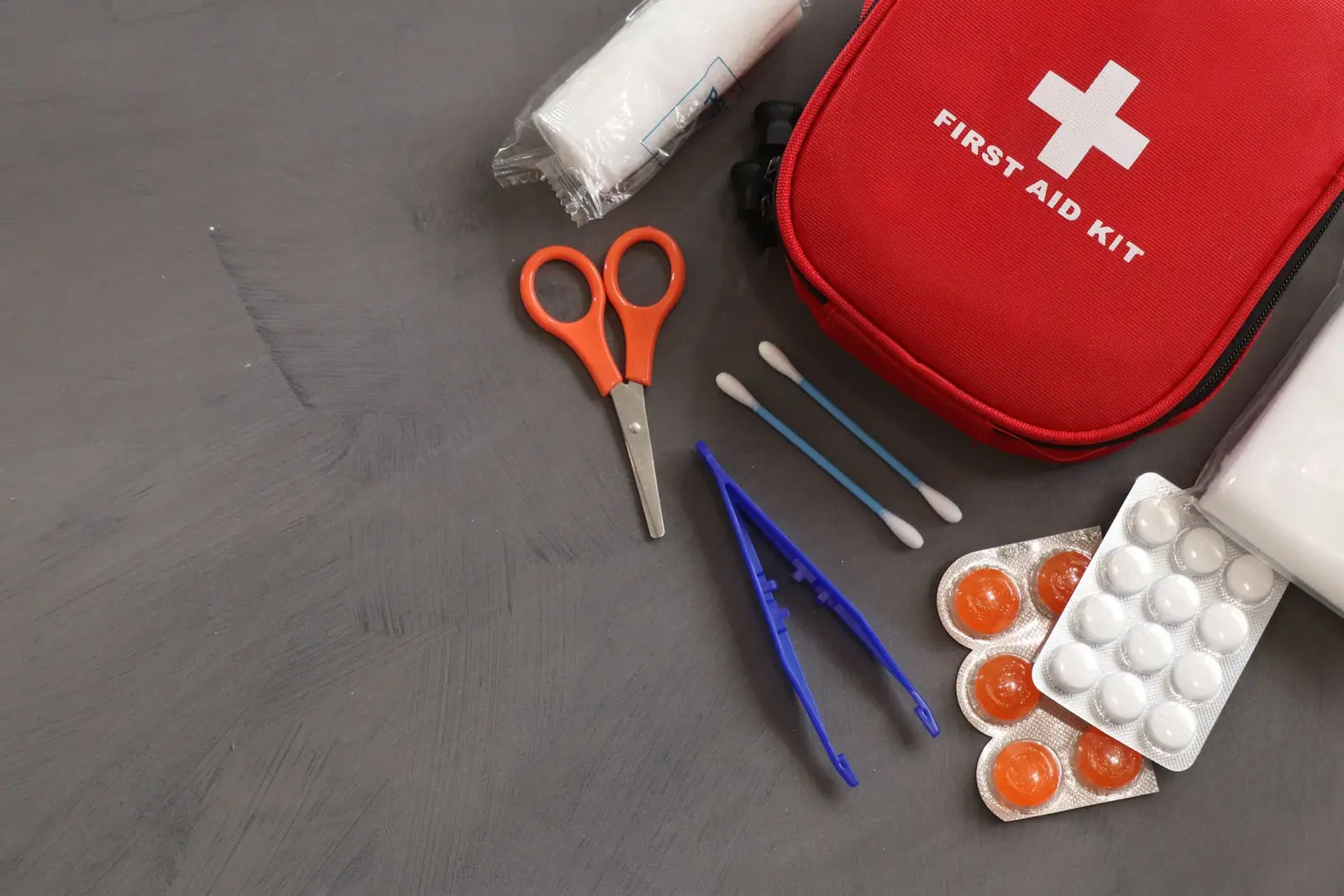
- First aid kit.
- Whistle, to signal for help.
- Dust mask, plus plastic sheeting and duct tape for sheltering in place.
- Moist towelettes, bin bags and ties for sanitation.
- Wrench or pliers to turn off utilities.
- Manual can opener.
- Local maps on paper.
- Phone with chargers and a power bank.
The additions that matter more than the list
Medication. A week’s worth, rotated. This is the single item nobody can improvise.
Cash in small notes. Card terminals need power and network.
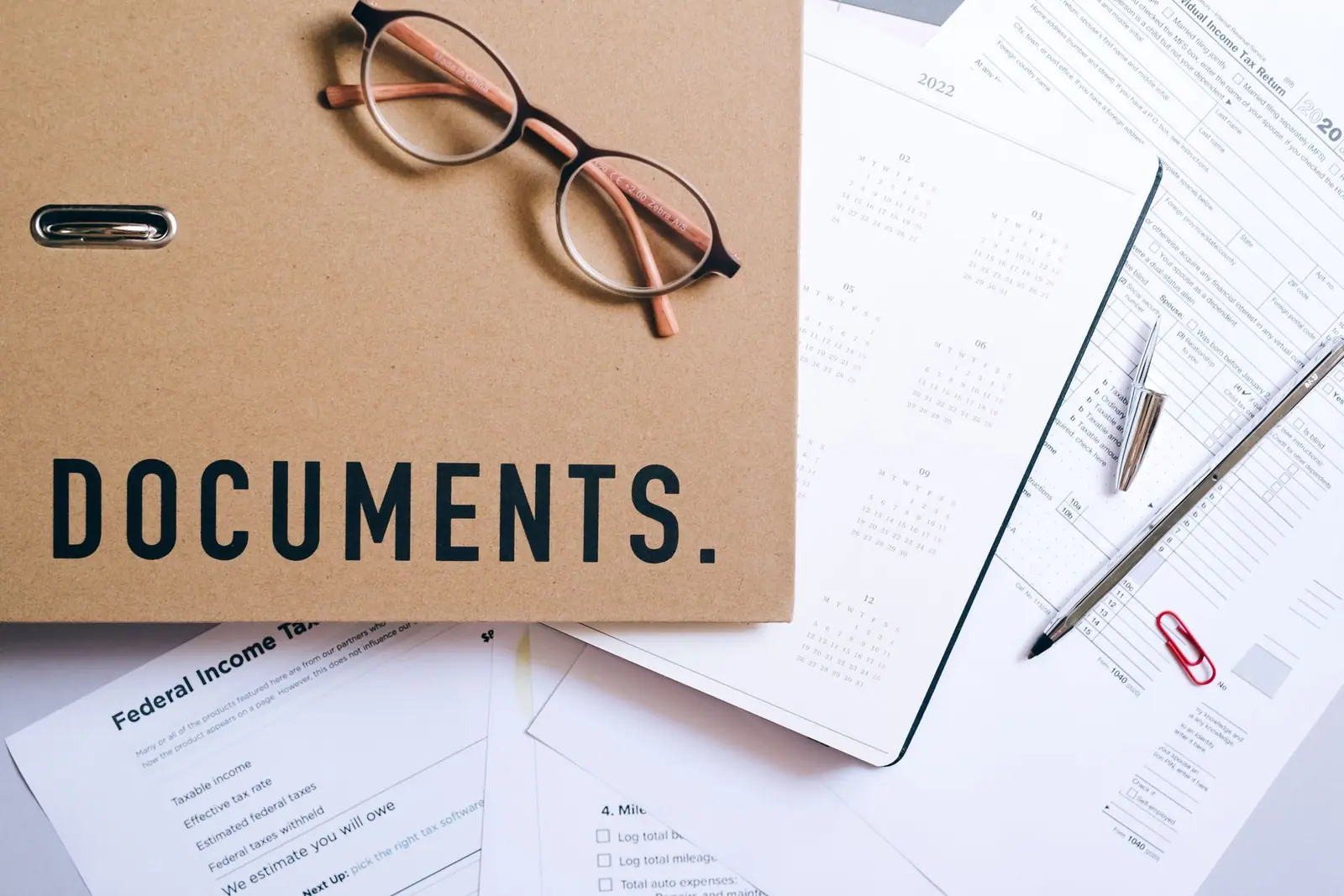
Copies of documents in a waterproof bag: identification, insurance, the medication list, and photographs of the house for claims.
Glasses, hearing aid batteries, chargers for any medical device.
Something for children: a familiar toy or book does more for a long night in a shelter than any supply on the official list.
Pet supplies: food, water, bowls, lead, carrier, vaccination records.
By the door you would leave from, or in a cupboard on the ground floor. If the kit is in the loft, behind the Christmas decorations, it is a purchase rather than a plan.
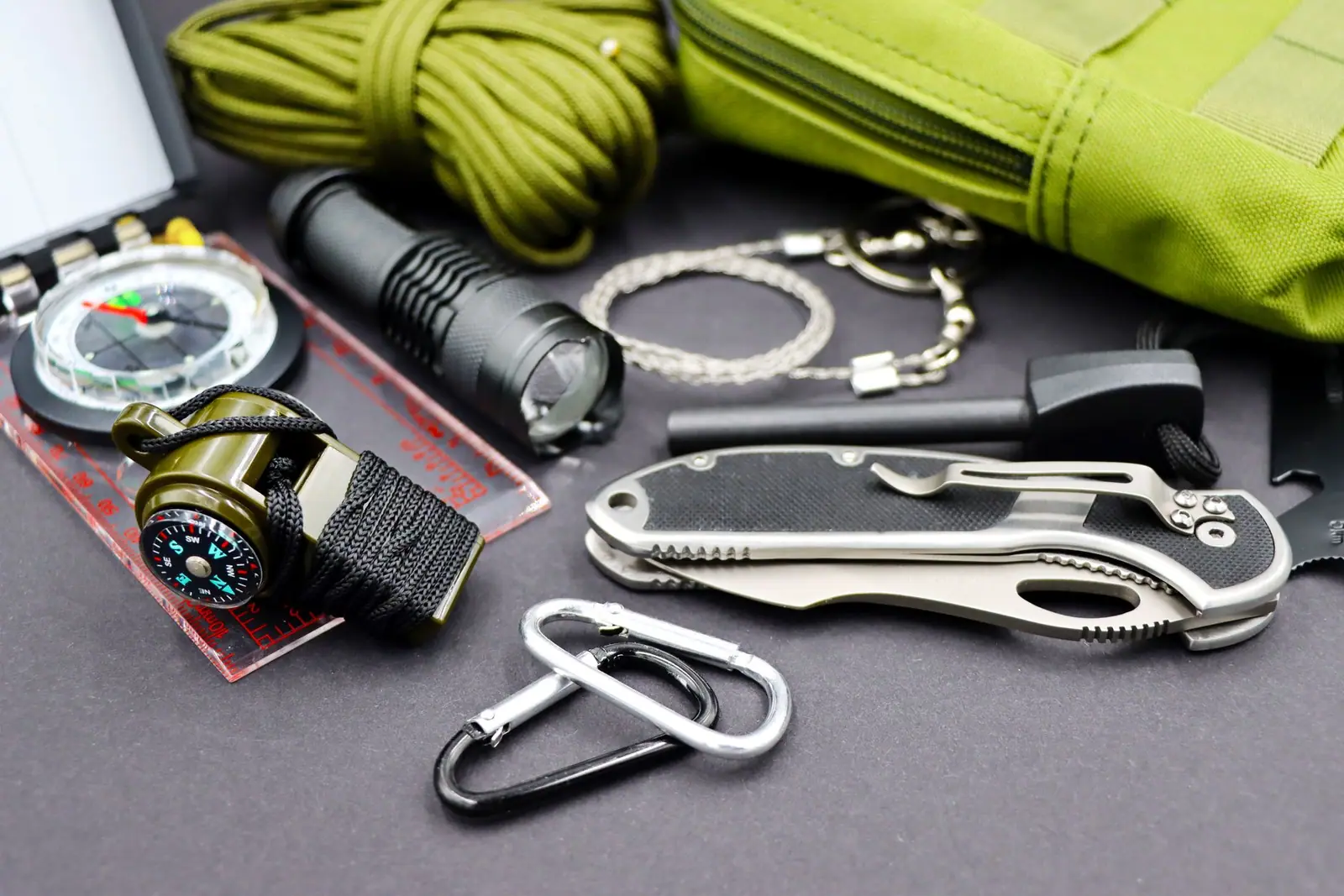
Three days or two weeks
The classic advice is three days, which is the shelter-and-evacuate scenario. FEMA also suggests considering two weeks of supplies at home, which is the realistic length of a bad regional event.
A sensible compromise most households can manage:
- A grab bag with three days for each person, by the door.
- Two weeks of food and water at home, which is mostly your normal pantry organised and topped up rather than a special purchase.
- A car kit, because you may not be home.
Keep it alive
Twice a year, when the clocks change:
- Replace batteries and test the torch and radio.
- Check dates on food, water, medication and first aid supplies.
- Refresh the clothes for children who have grown.
- Re-read the documents and update anything that changed: insurance, phone numbers, medication doses.
Fifteen minutes, twice a year, is the difference between a kit and a box.
Food that survives being stored
Tinned fish and beans, peanut butter, crackers, dried fruit, nuts, cereal bars, shelf-stable milk, instant coffee. Things your household actually eats, so the rotation happens by eating them rather than by binning them.
Avoid anything needing cooking, water or refrigeration, and remember the manual can opener, which is the single most-forgotten item on every list ever written.
Related reading: The Paperwork That Decides How Fast You Recover and The Plan Is Four Answers, Not a Binder.
Questions people ask
What should be in an emergency kit?
Water and non-perishable food for several days, a torch, a battery or hand-crank radio, first aid supplies, a whistle, sanitation supplies, tools, a manual can opener, paper maps, chargers, medication, cash and copies of documents.
How many days of supplies do I need?
Three days is the classic baseline for evacuation. FEMA suggests considering two weeks at home, which is more realistic for a regional event.
Are pre-made emergency kits worth buying?
They are a reasonable starting point, but they rarely include your medication, documents or anything your household actually eats. Treat one as a base to add to.
How often should I check the kit?
Twice a year. Tying it to the clock change is the easiest way to remember.
Where these figures come from
- Build A Kit Ready.gov, FEMA · ready.gov
- Water Ready.gov, FEMA · ready.gov
Figures last checked September 2026.