On this page
An outage is mostly an inconvenience. The damage tends to happen in the few seconds when the grid comes back, and in the hours afterwards when everything in the neighbourhood switches on at the same time.
Before, if you get a warning
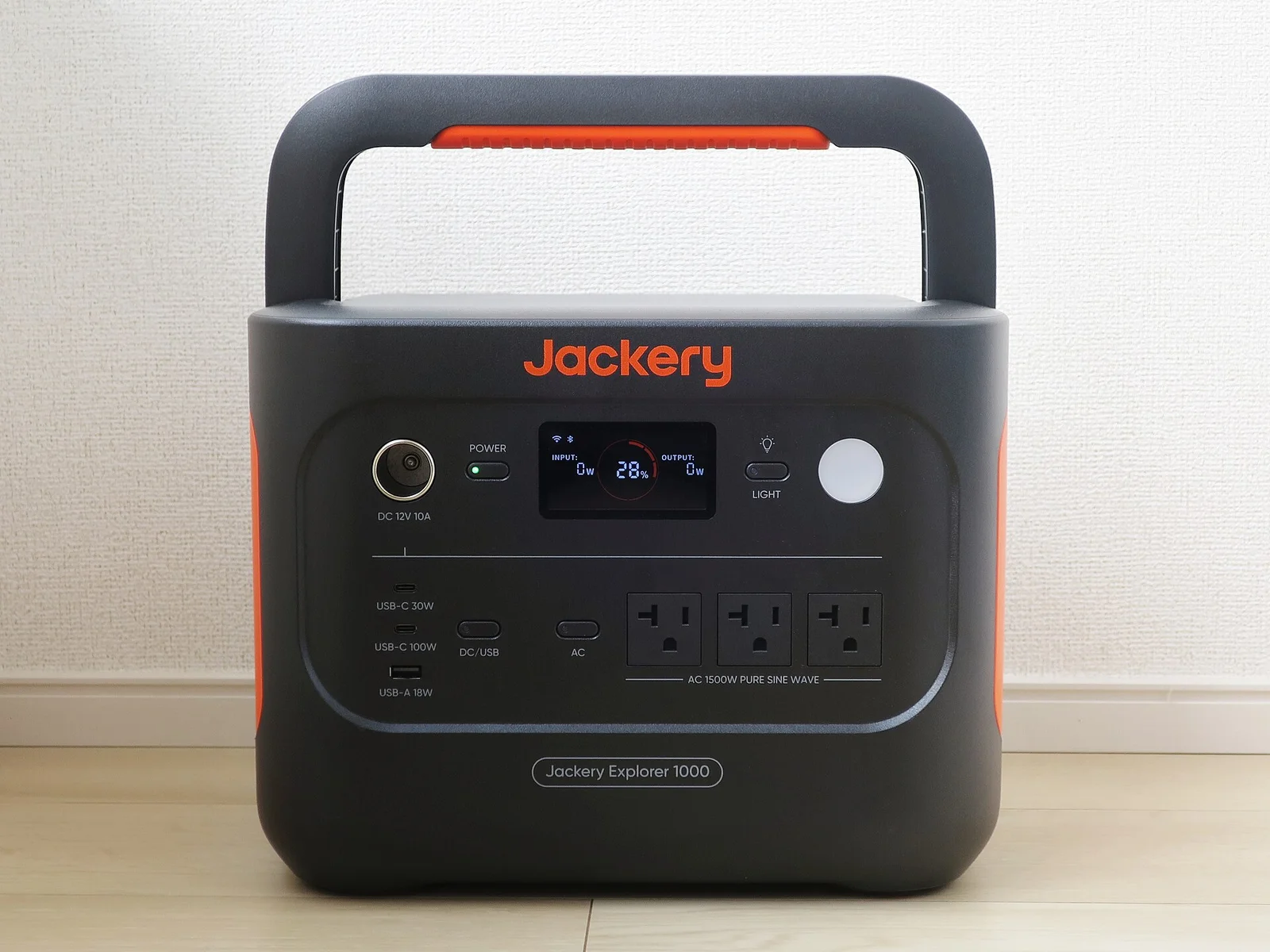
- Charge everything: phones, power banks, laptops, tool batteries, the battery station.
- Fill the car. Pumps need electricity, and in a regional outage the queues are long.
- Get cash. Card terminals and ATMs both depend on power and network.
- Freeze water bottles to keep the freezer cold and provide drinking water later.
- Print or screenshot what you would need without internet: insurance numbers, the utility’s outage line, your outage account reference.
During
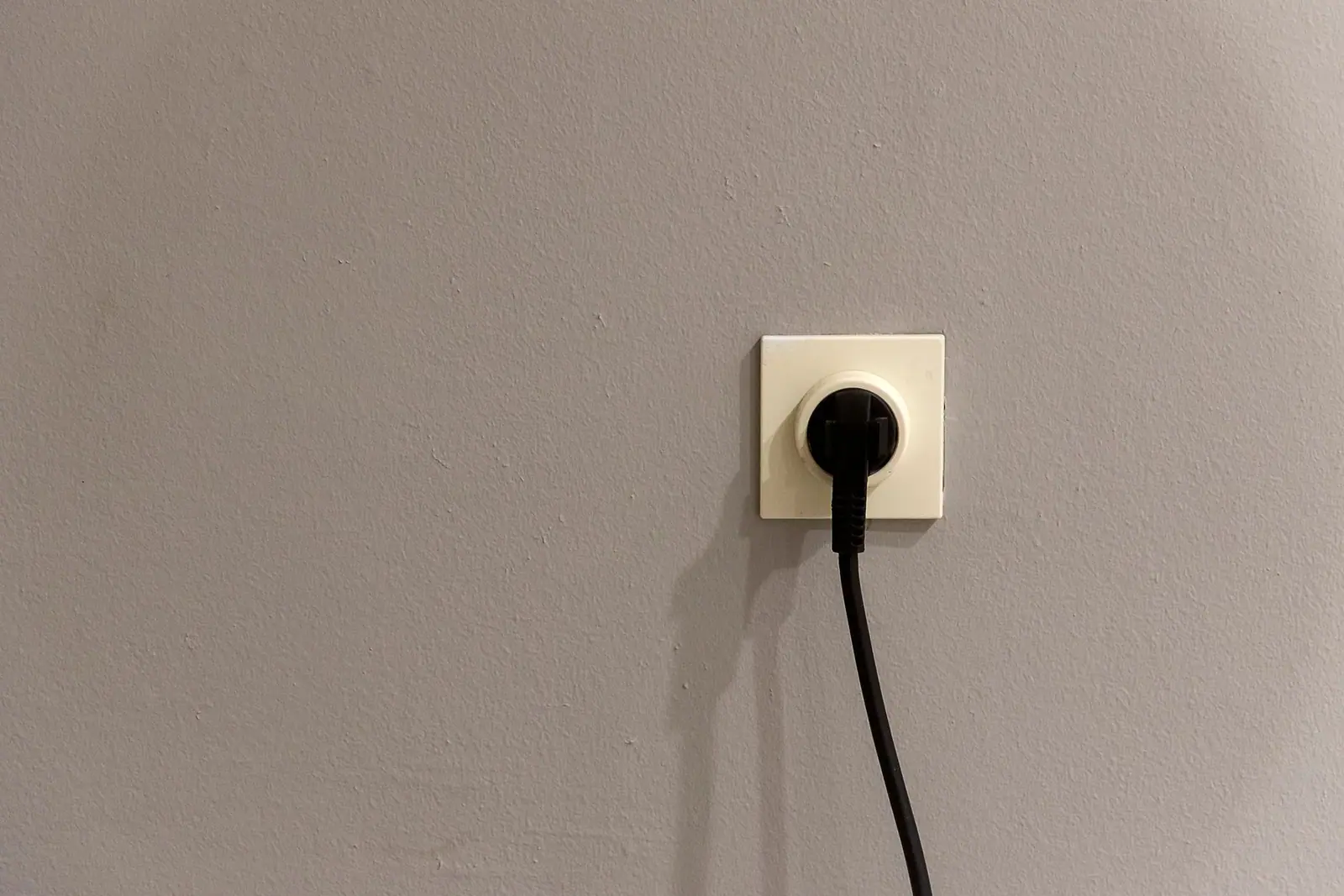
- Unplug sensitive electronics: computers, televisions, game consoles, audio equipment, and anything with a charger brick.
- Leave one lamp on so the return is obvious.
- Turn off major appliances at the switch. An electric oven or air conditioner that was on when the power failed will restart at the worst moment.
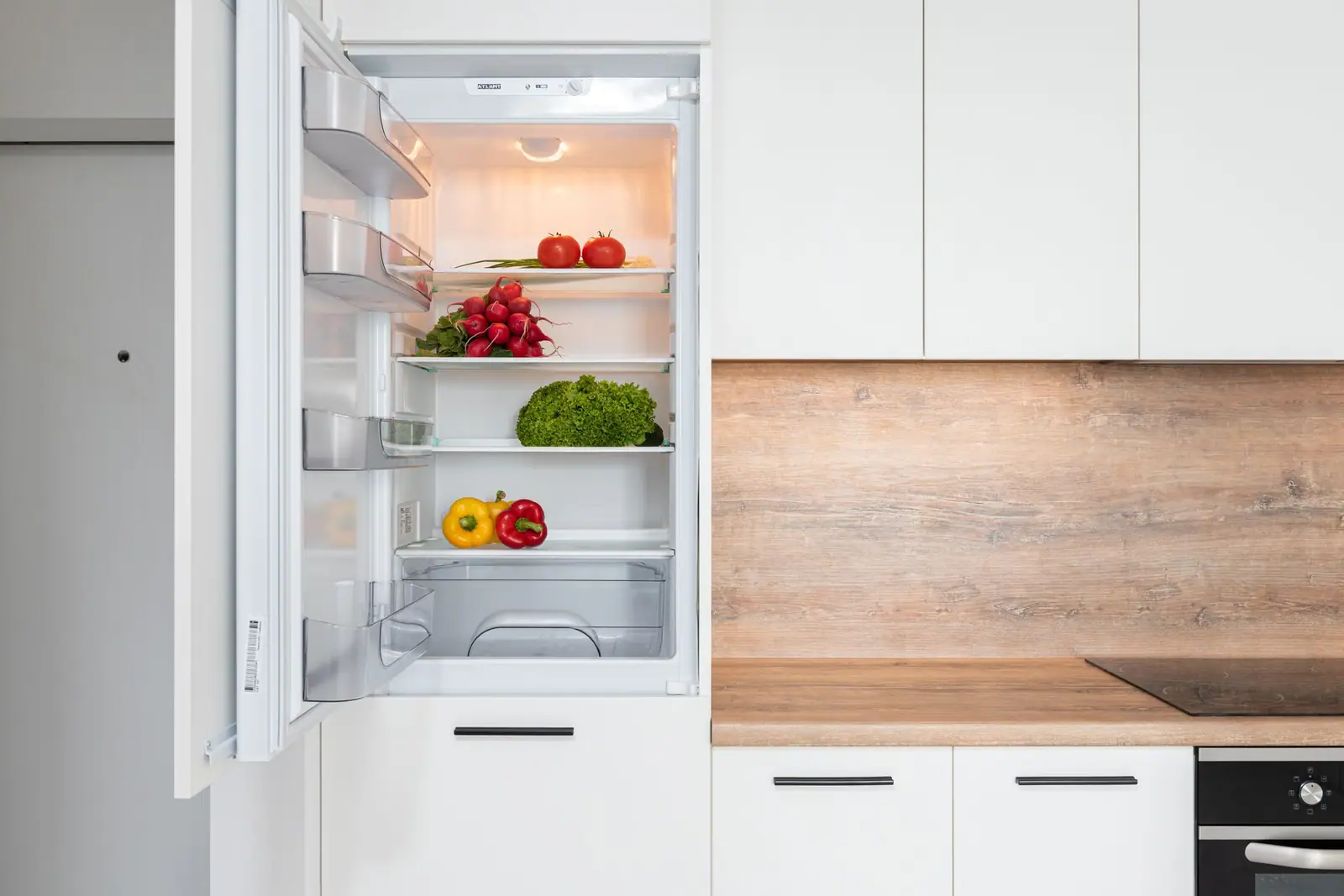
- Leave the fridge and freezer alone, closed and plugged in.
- Report the outage, even if you assume the neighbours have. Utilities restore by what they can see.
A power strip with a switch is not a surge protector. A real one lists a joule rating and clamping voltage, and it wears out after absorbing surges. For a household that loses power often, whole-house surge protection fitted at the panel by an electrician is the version that actually works.
When it comes back
Bring the house up in stages rather than all at once:
- Wait a few minutes. Restoration is often followed by a second brief outage as the utility balances the system.
- Turn on the big loads first, one at a time: heating or cooling, water heater, well pump.
- Then plug the electronics back in.
- Check the fridge and freezer temperature before assuming the food is fine, using the four-hour and 40°F rules.
- Reset what needs resetting: clocks, thermostat schedules, the router, any alarm system, and the sump pump if it has one.
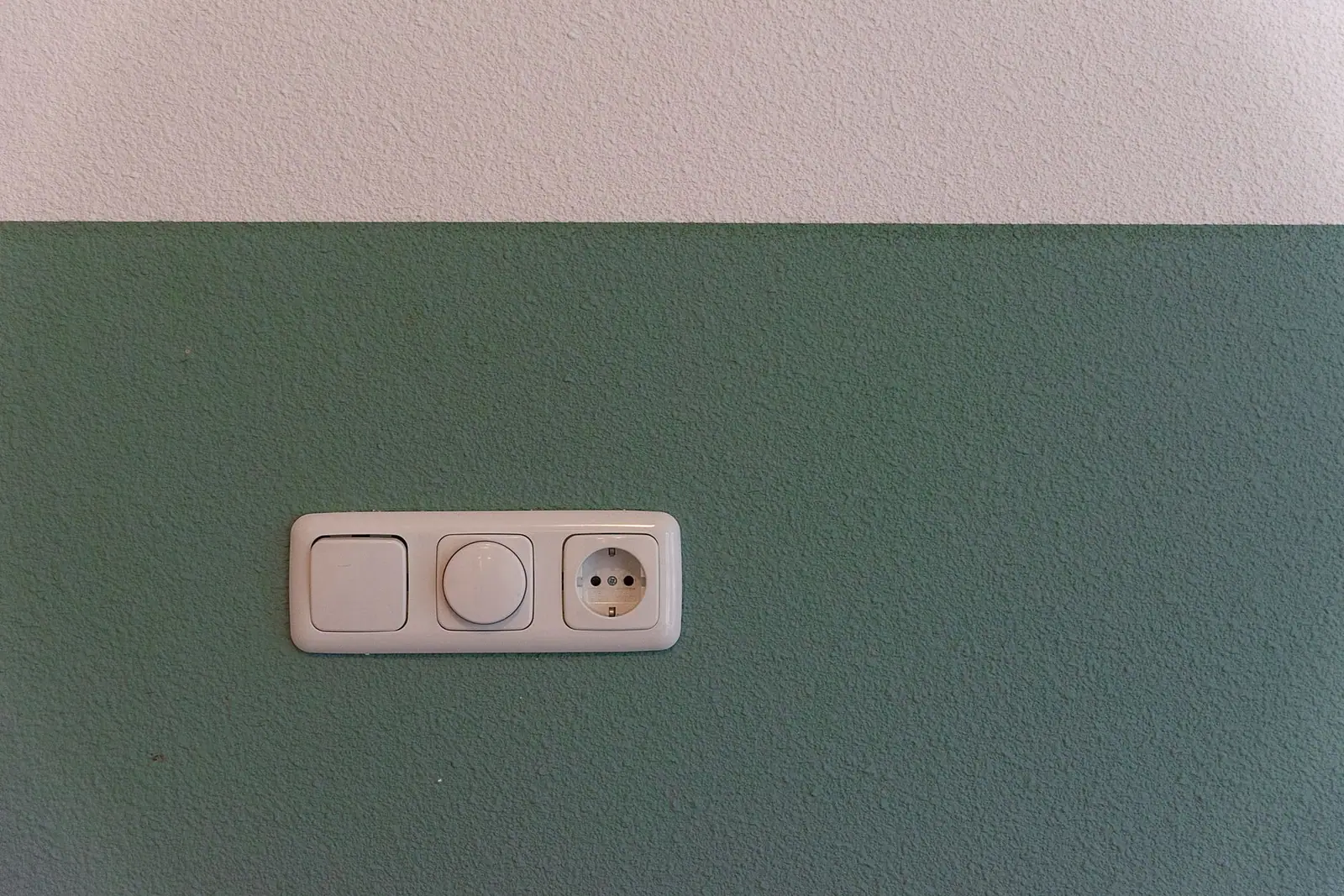
Water damage changes everything
If any appliance, socket or panel has been wet, it stays off. The switch itself is a hazard.
- Do not enter standing water where anything electrical may be energised.
- Have an electrician inspect wet circuits, sockets and panels before use.
- Assume wet gas appliances need professional checking too, because the control valves and safety devices are not designed to be submerged.
That applies to the generator as well. A unit that stood in flood water is not a unit you start.
Related reading: Price Fridge Battery Backup With a Real Runtime Plan and A Generator Service Plan Needs Written Coverage.
Questions people ask
Should I unplug things during a power outage?
Yes, for sensitive electronics. The damaging surge usually arrives when power is restored, so unplugging during the outage is the protection.
Why did my power come back and go out again?
That is common as the utility restores and rebalances the system. Wait a few minutes before turning heavy loads back on.
Is a power strip enough protection?
Only if it is genuinely a surge protector with a joule rating, and even then it degrades over time. Whole-house protection at the panel is more reliable.
What do I do with appliances that got wet?
Leave them off and have an electrician or the manufacturer assess them. Water damage to electrical equipment is not something to test by switching it on.
Where these figures come from
- Power Outages Ready.gov, FEMA · ready.gov
- Food and Water Safety During Power Outages and Floods US Food and Drug Administration · fda.gov
Figures last checked September 2026.