On this page
A home energy monitor can be worth buying when circuit-level readings answer a costly question that utility records cannot answer. Finding an avoidable overnight load, checking a changed appliance routine or separating water heating from the rest of the house are clearer purchase reasons than wanting a colorful live graph. The device supplies information; savings require an action that reduces paid energy use.
The comparison below uses a published manufacturer price and transparent electricity calculations. The assumed loads and installation allowance are examples, not evidence that every home wastes that amount or that installers charge the same fee. A monitor can have convenience value even when its energy savings never repay the purchase.
Key figures
- $199.99 Emporia Vue 3 bundle with 16 branch sensors
- 60 days Emporia return window, conditions apply
- $80.20 Example: yearly saving from eliminating 50 watts
A published bundle costs $199.99 before installation
| Vue 3 item or requirement | Manufacturer’s published information |
|---|---|
| Bundle selected on the product page | 16-sensor version, $199.99 |
| Branch measurement | Up to 16 circuits using 50-amp sensors |
| Main sensors included | Two 200-amp sensors |
| Network connection | 2.4 GHz Wi-Fi or 10/100 Ethernet |
| App and storage | Free app; internet required; cloud storage |
| Published warranty and return periods | One year and 60 days |
Source note: Emporia Vue 3 product page, checked October 2026. The quoted price is the selected 16-sensor hardware bundle, not a national installed price. Other bundle options and extra components can change the purchase.
The sensors measure circuits. A circuit containing several devices does not automatically give a separate reading for each device, and the base monitor is not a replacement for a circuit breaker. Before ordering, list the loads that matter to the decision and ask the installer how the proposed sensor arrangement will distinguish them.
A whole-house total can reveal a timing pattern without showing its cause. Conversely, several sensors on low-cost circuits may add little information. More measurements are valuable when they resolve a decision; their count alone does not establish a bigger saving.
Utility records can answer the first question for less
Start with the utility’s bill and account portal. Look for interval readings, downloadable records and the dates covered. A change after a new appliance was installed may already be visible there. Availability and timing depend on the utility, so there is no universal promise of free minute-by-minute data.
For one plug-in appliance, a suitable plug-in meter may answer the question without a panel monitor. For a hardwired load, the measurement method is different. The appliance running-cost guide explains the difference between watts at one moment and kilowatt-hours accumulated over a representative period.
Choose the question before choosing the equipment. “How much does laundry cost each week?” calls for several loads under ordinary use. “What remains on overnight?” calls for readings across the quiet hours. “Why did the heating bill rise?” may also require weather and building information that a circuit graph cannot supply.
Keep existing data as the baseline. A new dashboard that merely restates the monthly total may improve convenience, but that benefit should have its own value in the buying decision. It should not be assigned the same dollar saving as a reduction in electricity consumption.
A small continuous load changes the payback substantially
Virginia Cooperative Extension explains electricity cost using power, operating time and price per kilowatt-hour. For a constant load, watts multiplied by hours and divided by 1,000 gives kWh. Use measured energy instead when equipment cycles or its power varies.
The following sensitivity case assumes that a monitor helps identify a load that can safely be eliminated for all 8,760 hours of a 365-day year. That is a deliberately stated scenario, not a prediction or advice to disconnect essential equipment. EIA’s July 2026 U.S. residential average was 18.31 cents per kWh.
| Assumed continuous avoidable load | Annual avoided energy | Value at 18.31 cents/kWh | Hardware-only payback on $199.99 |
|---|---|---|---|
| 25 watts | 219 kWh | $40.10 | About 5.0 years |
| 50 watts | 438 kWh | $80.20 | About 2.5 years |
| 100 watts | 876 kWh | $160.40 | About 1.2 years |
Calculation note: assumed loads, 8,760 hours and the published EIA rate. The table calculates the value of an eliminated load; it does not measure monitor performance. Hardware price is Emporia’s published bundle price, with installation excluded.
- 25 watts$40.10
- 50 watts$80.20
- 100 watts$160.40
Calculation note: assumed loads, 8,760 hours and the published EIA rate. The table calculates the value of an eliminated load; it does not measure monitor performance. Hardware price is Emporia's published bundle price, with installation excluded.
If the 50-watt load runs only eight hours daily, avoided use becomes 146 kWh and the annual value becomes $26.73. Hardware-only payback stretches to about 7.5 years. Operating time therefore matters as much as the size of a reading, and an overnight measurement should not be projected across the whole day without evidence.
Installation and corrective work belong in the calculation
For an installed-cost example, assume $250 of installation work in addition to $199.99 of hardware. The $449.99 total takes about 5.6 years to recover at the hypothetical $80.20 annual saving. The $250 allowance is a worksheet input, not a published electrician rate or a claim about the reader’s house.
Now suppose eliminating the load requires another $150 purchase. The combined outlay becomes $599.99 and simple payback becomes about 7.5 years at the same saving. Attribute that saving to the whole intervention. Giving both the monitor and replacement equipment full credit would count one benefit twice.
For the full spending plan, the home energy budget separates measurement, improvements and ongoing bills. Keep fixed utility charges out of avoided-energy savings unless the action also eliminates that charge. At a different tariff, recalculate rather than importing the national average.
Use a qualified electrician for panel compatibility, installation and suspected electrical faults. A graph does not establish a diagnosis or justify disconnecting refrigeration, medical equipment, pumps, heating or protective systems.
Cloud access and follow-through determine ongoing value
Emporia states that the Vue 3 requires an active internet connection for its features and does not store data locally. A household expecting an offline recorder should resolve that mismatch before purchasing. Check account access, export options and service terms against how the records will be used.
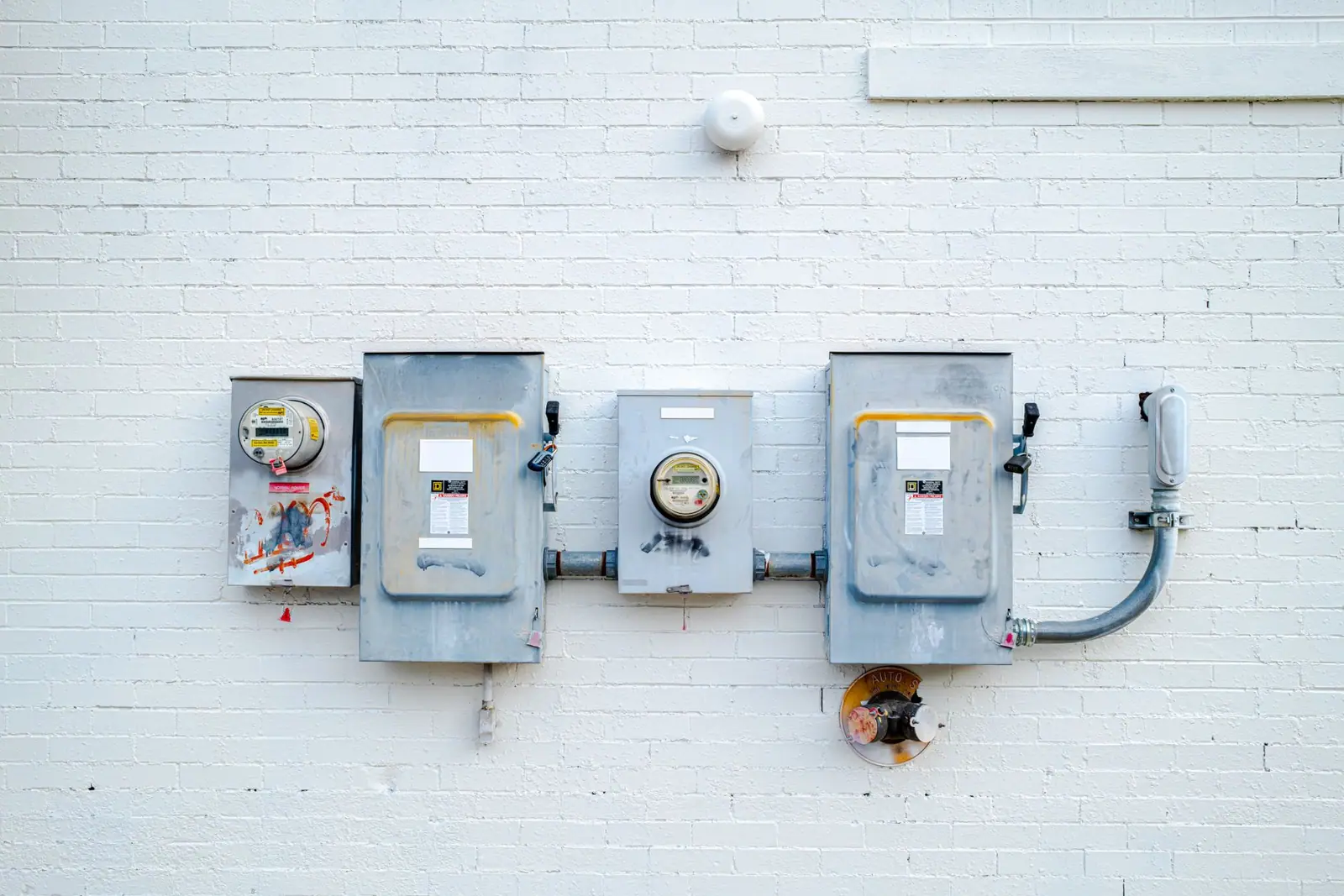
Once installed, label the measured circuits and record the question each helps answer. Compare representative days before and after an intervention, noting changes in occupancy, weather and appliance use. One lower bill during milder weather does not demonstrate that the monitor caused the reduction.
A monitor is strongest as a targeted information purchase: an unresolved question, a measurement that answers it and an affordable action supported by the result. If the household already understands the load and can make the same change without buying a monitor, the device should not claim that saving in its payback.
Questions people ask
How much does the monitor in this comparison cost?
Emporia lists the Vue 3 with 16 branch sensors at $199.99. That is a hardware price; professional installation, extra components and corrective work are separate.
Will it reduce the bill automatically?
No. Measurement alone does not reduce consumption. The savings tables assume a supported action eliminates a stated load for the stated hours.
Can a circuit sensor identify every appliance?
A sensor measures its circuit. When several devices share that circuit, the reading does not by itself separate each device's contribution.
Does the Vue 3 record locally without internet?
Emporia says it requires an active internet connection and uses cloud storage, with no local data storage. Verify that access model before buying.
Where these figures come from
- Vue 3: Price, Included Sensors and Network Requirements Emporia Energy · shop.emporiaenergy.com
- July 2026 Residential Electricity Prices U.S. Energy Information Administration · eia.gov
- Understanding Your Electric Bill Virginia Cooperative Extension · vtechworks.lib.vt.edu
Figures last checked October 2026.