On this page
Bulk mulch usually has a lower material price, but a truck delivery can erase the saving on a small job. Bagged mulch also puts material close to the beds in manageable portions. The cheaper purchase depends on the volume, both delivery charges and how far the material must be moved after unloading.
The comparison below uses one producer’s prices for matching double-shredded hardwood mulch, checked in October 2026. Gertens serves the Twin Cities area; these are its published offers rather than a national mulch-price average. Delivery, taxes and spreading labor are separate unless an address-specific order says otherwise.
Key figures
- $4.99 Gertens Green Loon mulch, single two-cubic-foot bag
- $34.99 Gertens hardwood mulch per cubic yard
- $62.86 Example: bags for a one-cubic-yard job
Matching mulch gives a fair price comparison
Compare the material before comparing its packaging. Hardwood, cedar, bark nuggets, compost and dyed wood can have different uses and prices. A cheap yard of hardwood is not a like-for-like substitute for a bag of cedar just because both products are labeled mulch.
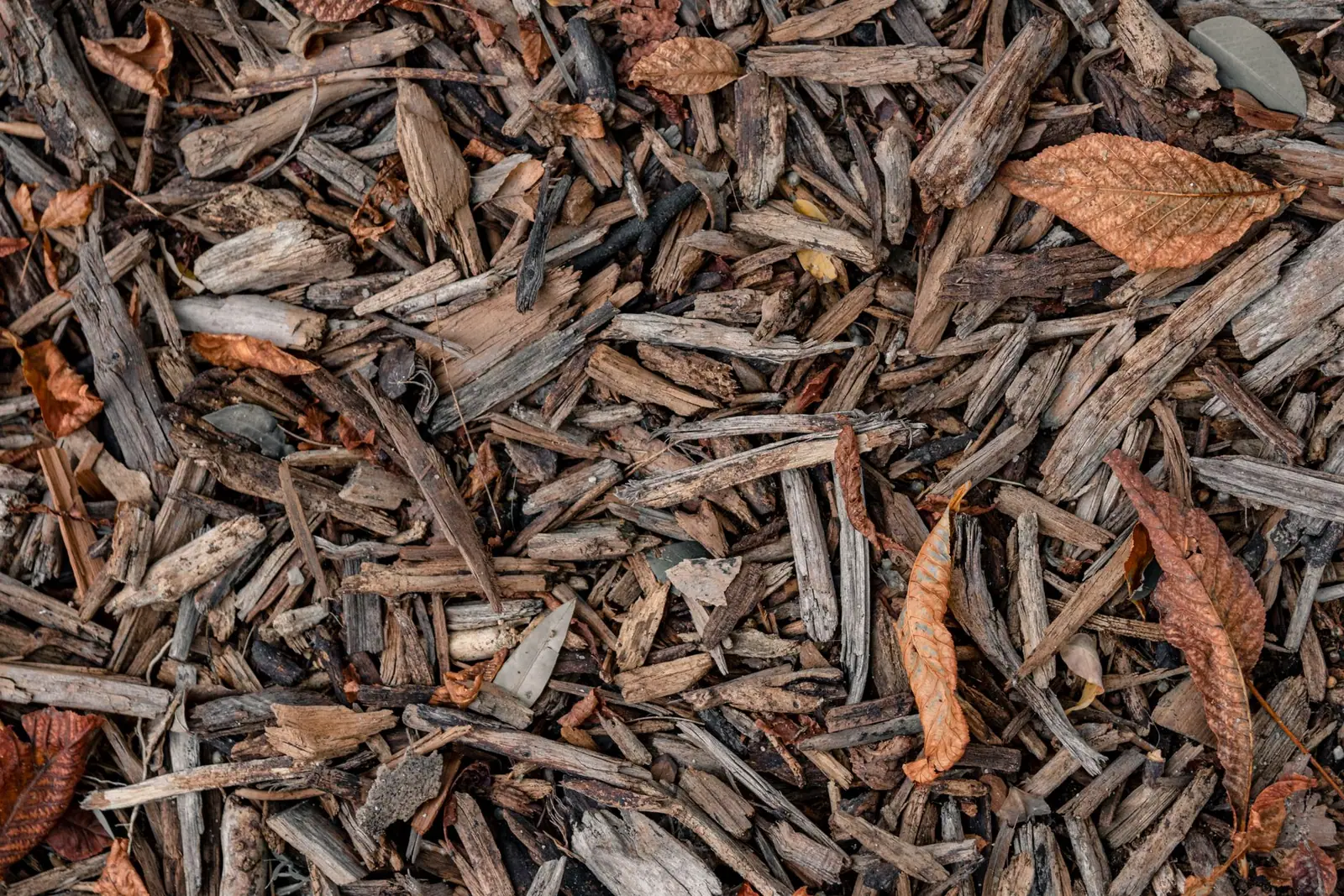
Gertens describes Green Loon hardwood mulch as double-shredded material made from recycled brush. Its bag and bulk product pages describe the same mulch, allowing a comparison that does not mix different wood products. The bag contains two cubic feet; a cubic yard contains twenty-seven cubic feet.
| Green Loon hardwood purchase | Published material price | Volume basis |
|---|---|---|
| One bag | $4.99 | 2 cubic feet |
| At least 10 bags | $4.49 per bag | 2 cubic feet each |
| Bulk, below 6-yard discount | $34.99 per yard | 27 cubic feet |
| Bulk, 6 or more yards | $32.99 per yard | 27 cubic feet each |
Source note: Gertens’ own Green Loon hardwood bag and bulk product pages, checked in October 2026. Prices exclude the delivery and tax amounts calculated for the order. Discount thresholds apply to the purchased quantity.
At the ten-bag price, thirteen and a half bags represent the volume of one cubic yard and cost about $60.62. A buyer cannot normally purchase half a sealed bag, so a one-yard job requires fourteen bags costing $62.86, with one extra cubic foot. Bulk material at $34.99 costs less before transport, but that difference is not the final delivered saving.
Area and depth determine the quantity
Calculate cubic feet by multiplying bed area in square feet by depth in inches, then dividing by twelve. Divide that result by twenty-seven for cubic yards, or by the volume printed on a bag for bag count. Round bags upward after calculating the whole job, rather than rounding each tiny bed separately.
For a bed twenty feet long and fifteen feet wide, the area is three hundred square feet. A three-inch layer uses seventy-five cubic feet. That is thirty-seven and a half two-cubic-foot bags, rounded to thirty-eight, or about 2.78 cubic yards.
Depth makes a large difference. The same bed at two inches uses fifty cubic feet, requiring twenty-five bags. At four inches it uses one hundred cubic feet, requiring fifty bags. Do not order the deeper amount solely because an online calculator defaults to it; consider the plants and any existing mulch first.
Iowa State’s tree-planting guidance describes a two-to-four-inch wood-mulch layer around newly planted trees, with the root flare exposed and mulch kept away from the trunk. That is tree guidance, not a universal prescription for vegetable rows, every perennial or an already thick mulch layer.
Delivery decides the break-even point
Using the three-inch bed example, thirty-eight discounted bags cost $170.62. If the seller requires a whole-yard bulk order, three yards cost $104.97. The material difference is $65.65. Buying exactly 2.78 yards, where offered, would produce a different total; confirm the seller’s order increments.
If bag pickup has no added transport cost, bulk delivery can cost up to $65.65 more than that pickup before the bulk option loses its material saving. A hypothetical $60 bulk delivery makes the total $164.97, which is $5.65 below the bag material total. A hypothetical $90 delivery makes it $194.97, which is $24.35 higher. These delivery amounts illustrate the calculation; they are not Gertens delivery quotes.
If bags are also delivered, compare the difference between the two delivery charges. A hypothetical $30 bag delivery and $60 bulk delivery add only a $30 delivery disadvantage to bulk, rather than $60. Apply the same tax rules and include a hired vehicle or extra pickup trip when either purchase requires one.
The unloading point changes the amount of work
Gertens’ bulk page describes driveway unloading, with exceptions at the driver’s discretion. A delivery note requesting a backyard location is not a promise that a truck can reach it. Confirm the unloading area, surface and access before paying.
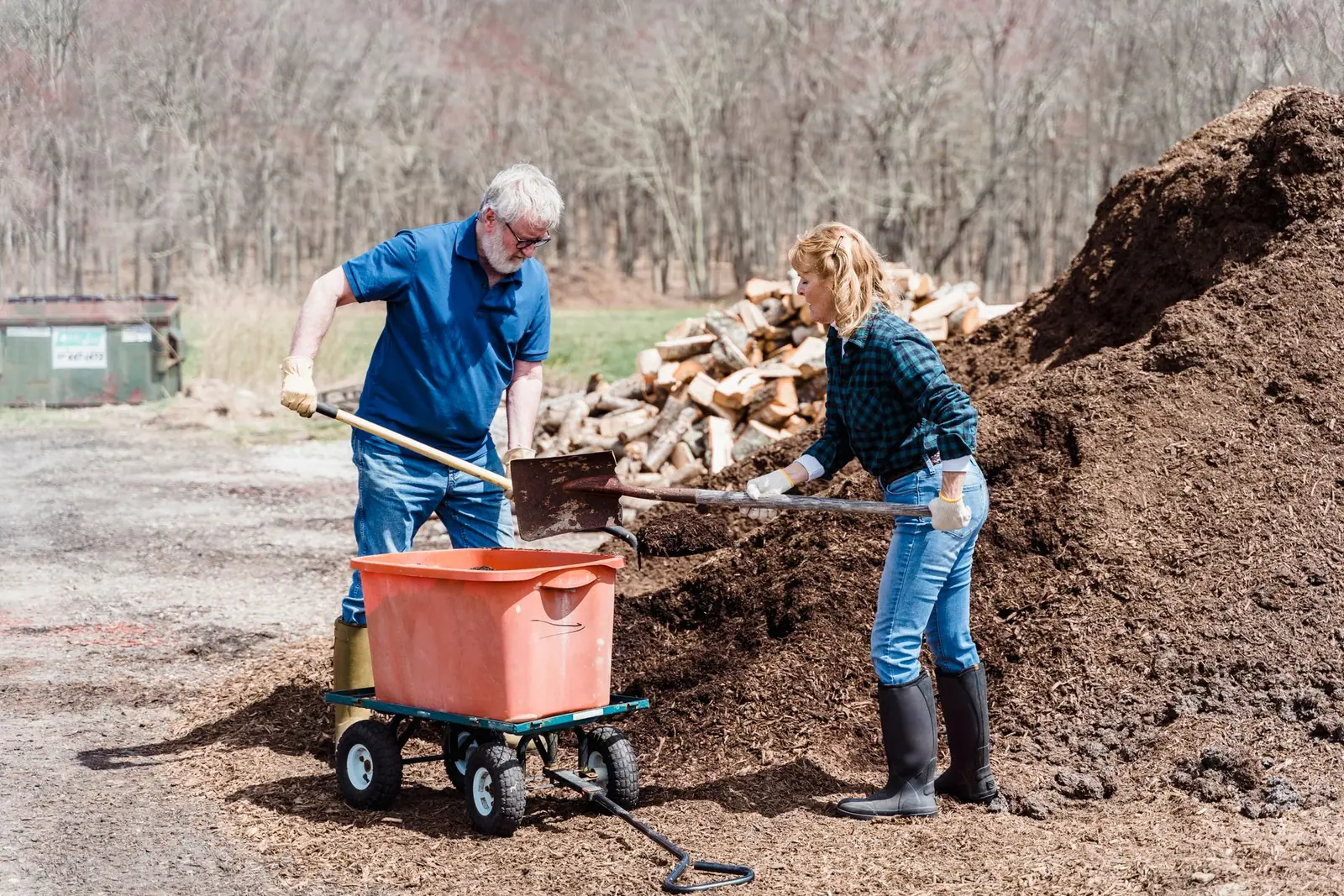
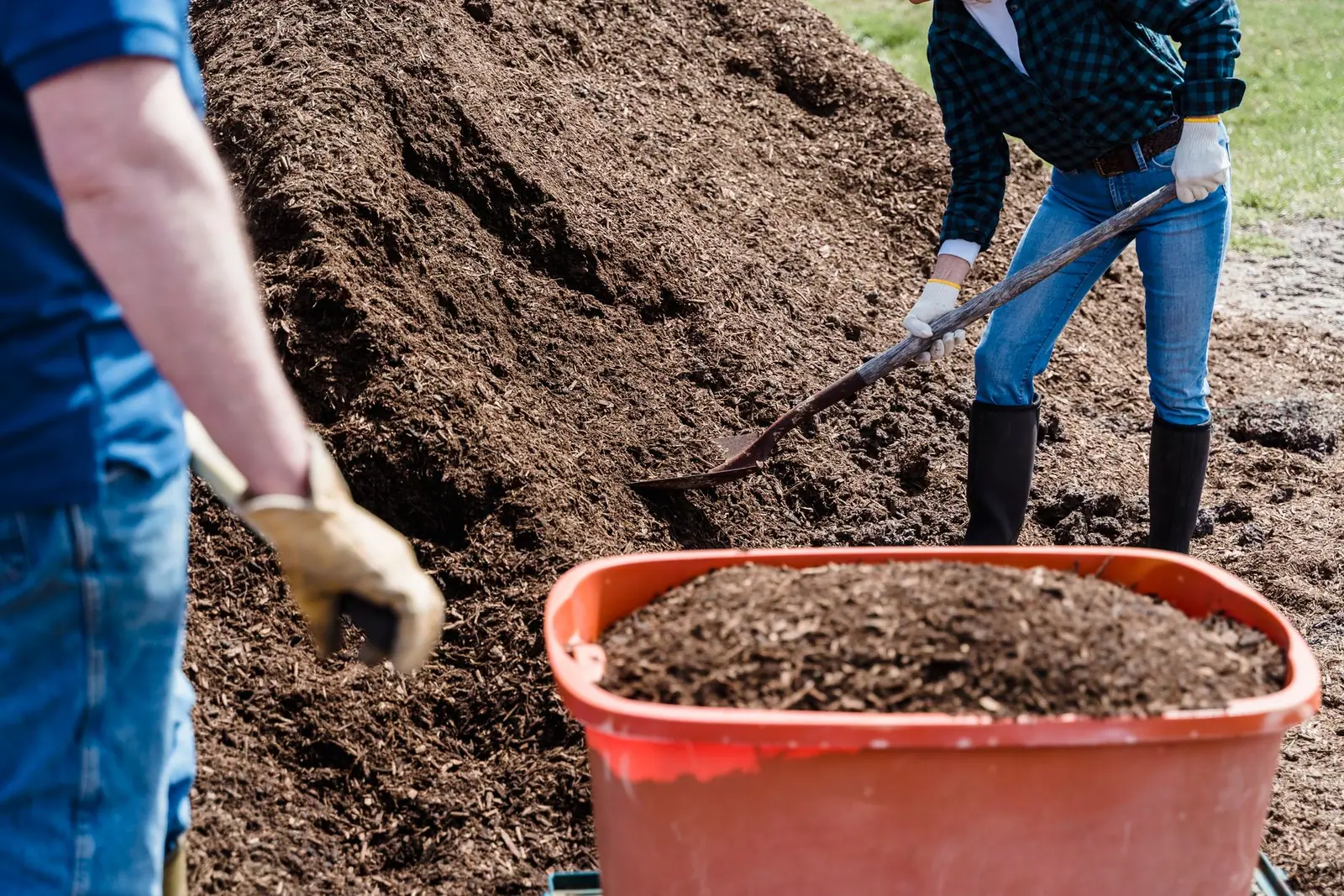
Consider wheelbarrow access, gates, stairs and the route to each bed. Bags can be staged near separate beds, while a bulk pile stays at its unloading location until moved. Paying less per cubic yard can still mean more labor or an extra spreading charge.
The garden-fence installation guide explains access and gate details that also affect deliveries. For a project involving soil rather than a surface mulch layer, the raised-bed filling guide addresses a different material budget. Mulch is not automatically a substitute for growing soil.
Existing mulch and plant bases limit how much to add
Measure what remains before ordering a fresh full-depth layer. A bed with old mulch may need a top-up, redistribution or removal of excess material rather than another deep covering. Settled depth and loose delivered volume are also different measurements; the calculation should state which one is being purchased.
Iowa State advises keeping mulch at least 6 inches away from a tree trunk and exposing the root flare. Avoid piling mulch into a mound against bark. For uncertain plant health or site conditions, a local extension service can help identify the problem before another material layer is added.
Do not use a larger order simply to reach the six-yard bulk discount. Six yards at $32.99 cost $197.94 before delivery, compared with $104.97 for three yards at the regular rate. The cheaper unit price spends another $92.97 and doubles the delivered volume. It makes sense only when the extra material has a planned use.
The drip-irrigation guide helps coordinate watering equipment with bed work. Locate lines and emitters before spreading, then confirm that the finished layer does not bury components requiring access. A final purchase should name the mulch, quantity, delivery location, transport cost and spreading responsibility.
Questions people ask
How many 2-cubic-foot bags equal one cubic yard?
A cubic yard contains 27 cubic feet, equivalent to 13.5 bags. Buying whole bags requires 14 for at least that volume.
How much mulch covers 300 square feet at 3 inches?
The calculated volume is 75 cubic feet, or about 2.78 cubic yards. That requires 38 whole 2-cubic-foot bags. Ask how the bulk supplier rounds an order.
Does bulk always cost less delivered?
No. For the cited 38-bag versus 3-yard purchase, bulk saves $65.65 on material. Extra delivery and handling costs above that difference can reverse the comparison.
Is ordering 6 yards cheaper than ordering 3?
The cited unit price falls from $34.99 to $32.99, but the material total rises from $104.97 to $197.94. The extra quantity requires a reason beyond receiving a discount.
Where these figures come from
- Green Loon Hardwood Mulch per Bag Gertens · gertens.com
- Green Loon Hardwood Mulch per Cubic Yard Gertens · gertens.com
- Planting Trees in the Landscape: Mulch Depth and Trunk Clearance Iowa State University Extension and Outreach · yardandgarden.extension.iastate.edu
Figures last checked October 2026.