On this page
Every household that heats with wood has had this argument, usually in a kitchen, usually with no numbers. It is one of the few household cost questions that can be settled properly, because the US Energy Information Administration publishes the conversion constants and the rest is arithmetic.
Key figures
- about $18 Example: wood cost per million delivered BTU
- about $13 Example: gas cost per million delivered BTU
- about $54 Example: resistance electricity per million delivered BTU
The constants
EIA’s own figures for heat content:
| Fuel | Heat content |
|---|---|
| Wood | 1 cord = 20,000,000 BTU |
| Natural gas | 1 therm = 100,000 BTU |
| Propane | 1 gallon = 91,452 BTU |
| Heating oil | 1 gallon = 138,500 BTU |
| Electricity | 1 kilowatt hour = 3,412 BTU |
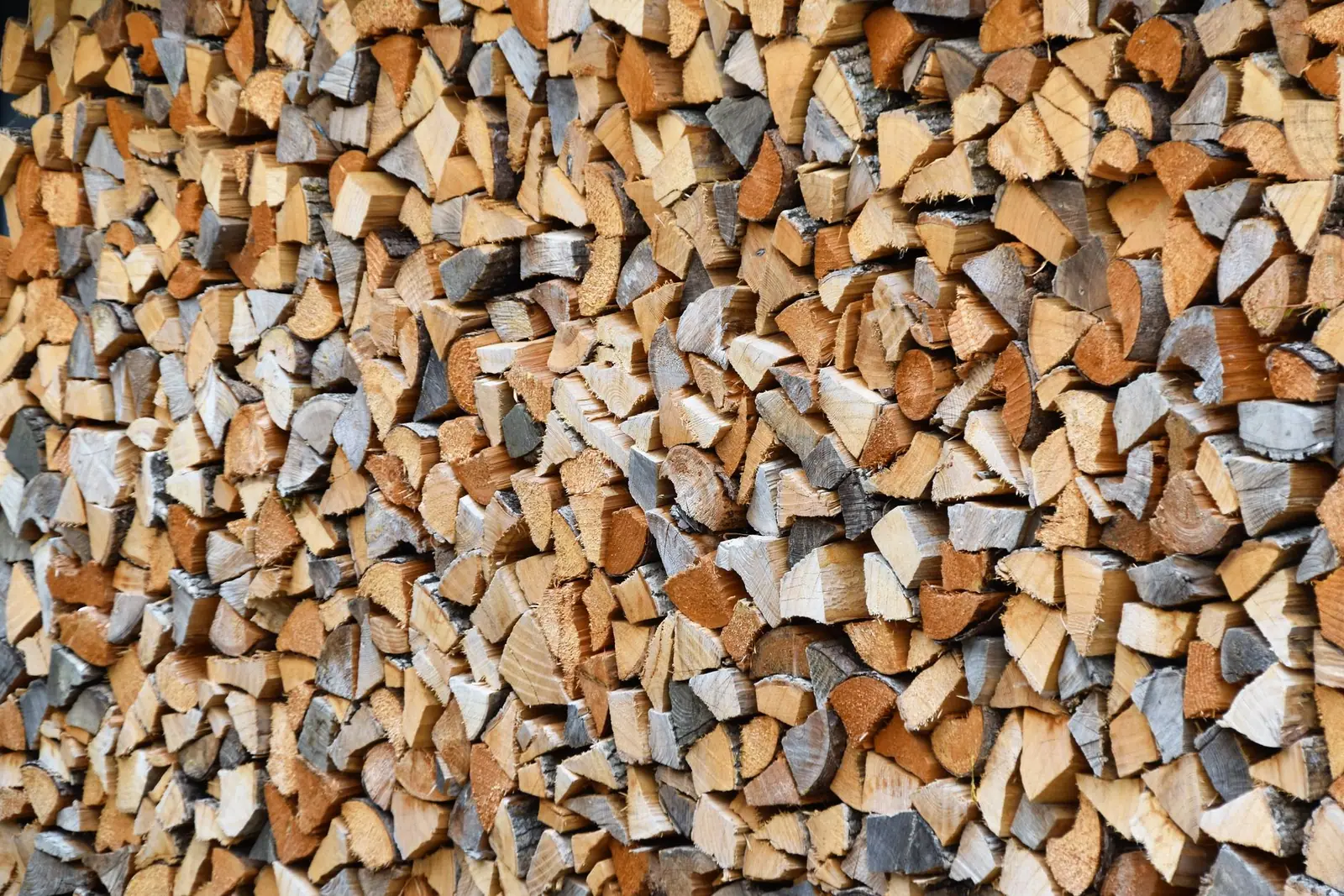
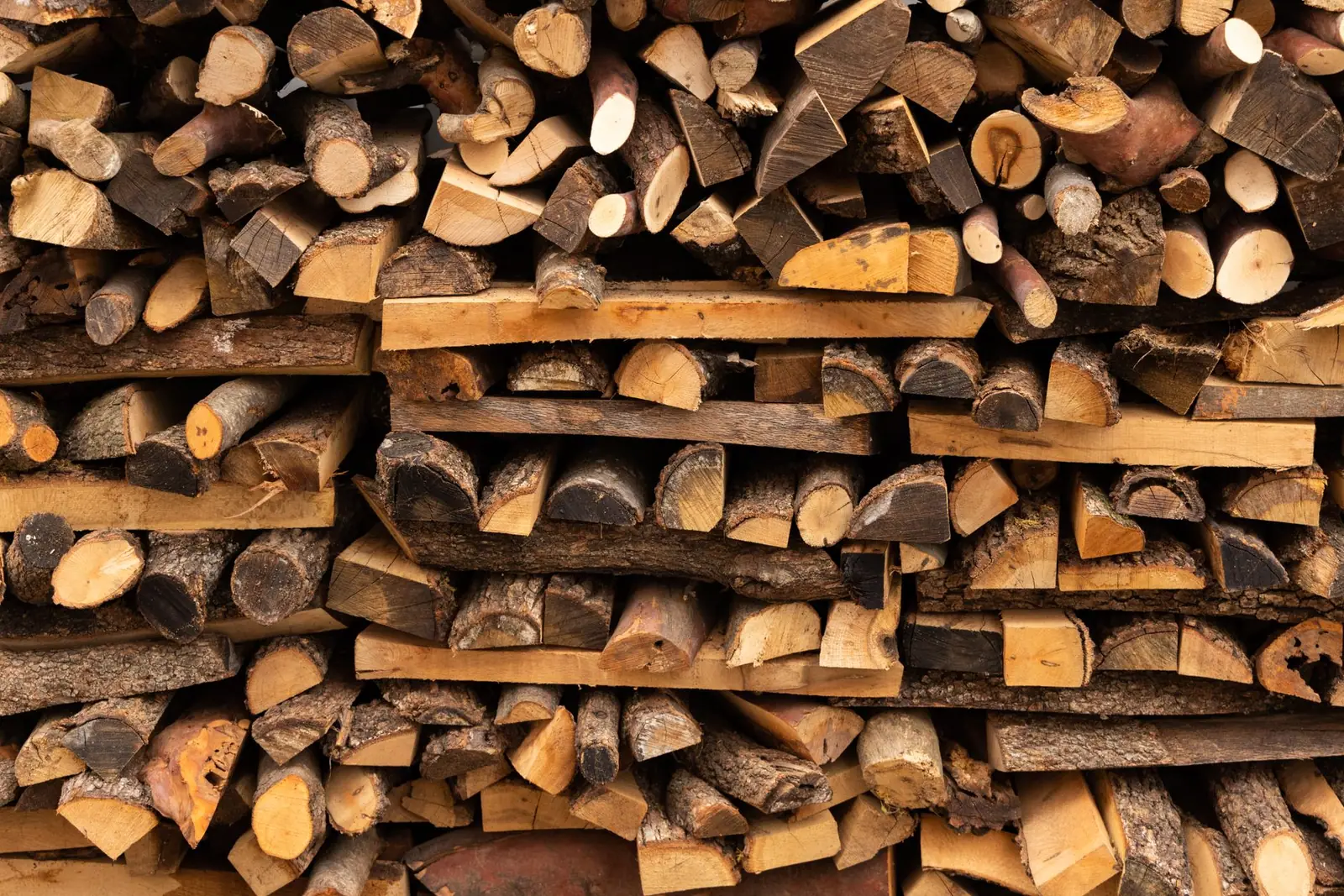
A cord, in turn, is a legally defined quantity: 128 cubic feet of wood ranked and well stowed, under the model weights and measures rules that most states adopt.
The method
For each fuel:
- Work out the cost of a million BTU of fuel. Divide 1,000,000 by the heat content of one unit, then multiply by what that unit costs you.
- Divide by the appliance’s efficiency, expressed as a decimal. This converts fuel bought into heat delivered.
- Compare.
That second step is where most kitchen arguments go wrong. Buying a million BTU of wood at 70 percent efficiency delivers 700,000 BTU into the house; the same million in a 95 percent gas furnace delivers 950,000.
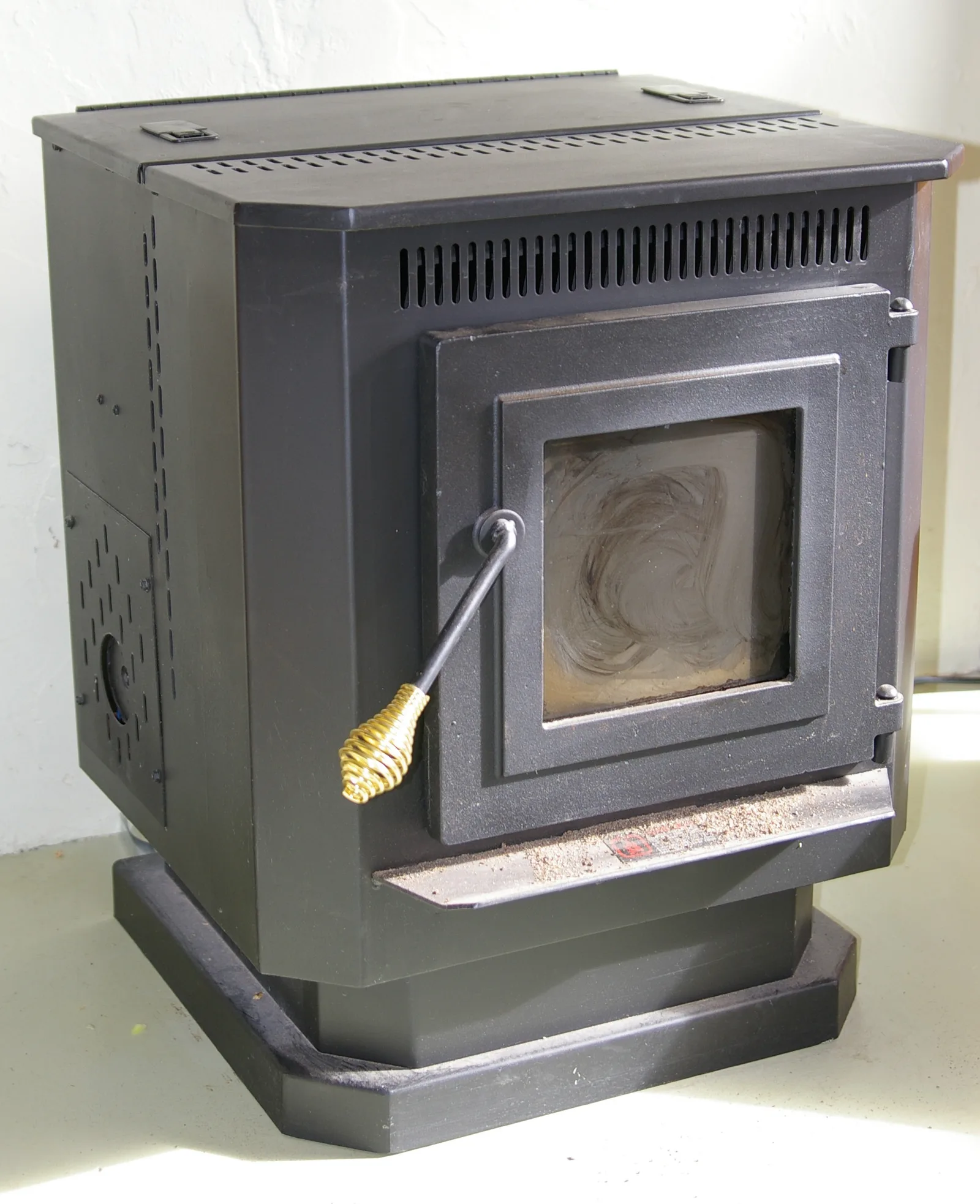
For efficiency, use the number on your own appliance where you have it. EPA notes that EPA-certified pellet stoves usually fall in the 70 to 83 percent range, and modern wood stoves are broadly in that neighbourhood, while an open fireplace is so poor that it can be a net heat loss.
A worked example
Illustrative prices, clearly labelled as such, to show the shape of the answer. Substitute your own.
| Fuel and appliance | Price assumed | Cost per million BTU delivered |
|---|---|---|
| Wood, stove at 70 percent | $250 a cord | about $18 |
| Natural gas, furnace at 95 percent | $1.20 a therm | about $13 |
| Heating oil, boiler at 85 percent | $3.50 a gallon | about $30 |
| Propane, furnace at 90 percent | $2.50 a gallon | about $30 |
| Electric resistance heat | 18.3 cents a kWh | about $54 |
| Heat pump, seasonal factor of 3 | 18.3 cents a kWh | about $18 |
- Wood, stove at 70 percent$18
- Natural gas, furnace at 95 percent$13
- Heating oil, boiler at 85 percent$30
- Propane, furnace at 90 percent$30
- Electric resistance heat$54
- Heat pump, seasonal factor of 3$18
EIA heat-content conversions and the fuel-price and efficiency assumptions in this article. Hypothetical dollars per million delivered BTU; not current local fuel quotes.
Read the pattern rather than the numbers. Wood bought at a moderate price beats propane and oil comfortably, sits near piped natural gas, and lands about level with a decent heat pump at average electricity prices. Change any input and the order changes: cheap gas wins outright, expensive delivered wood loses to everything, free wood beats all of it.
The three things that break the comparison
Wet wood. EPA’s guidance is that wood burns best below 20 percent moisture, seasoned for at least six months.
Wood at 35 or 40 percent spends a large share of its energy evaporating water, so you paid for 20 million BTU and did not get it. No other fuel has this failure mode.
Unit games. A cord is defined; a “rick”, a “face cord” or a “truckload” are not. If you cannot convert the price to dollars per cord, you cannot compare it to anything.
Unpaid labour. If you cut, split, haul and stack your own wood, the fuel looks nearly free and your weekends are the cost. That is a perfectly good trade, and it should be named rather than hidden, particularly when comparing against a thermostat.
Wood usually heats the room the stove is in rather than the whole house, which quietly changes the comparison: you may be heating 40 percent of the floor area and turning the central system down rather than off. That is often the real saving, and it is smaller than a straight fuel-for-fuel swap implies.
What the sum leaves out
- Capital. A stove, chimney and installation is a project, and a heat pump or furnace is too. Spread that across the years you expect to use it.
- Maintenance: annual sweeping for wood, annual professional cleaning for pellets, servicing for a furnace or heat pump.
- Resilience. Wood heat works in a power cut. Pellet stoves and every central system, with rare exceptions, do not.
- Air quality, indoors and out. EPA publishes health guidance on wood smoke for a reason, and it is part of the decision in a dense neighbourhood.
- Time. Tending a fire is a daily task from October to April.
The version to write on a card
Cost per million BTU delivered = (1,000,000 ÷ BTU per unit) × price per unit ÷ efficiency.
Do it once each autumn with current local prices. It takes five minutes and it is the only version of this argument that ends.
Related reading: An Open Fireplace Is Not a Heating System and A Pellet Stove Service Plan Needs an Equipment List.
Questions people ask
How many BTU are in a cord of wood?
EIA uses 20,000,000 BTU for one cord. A cord itself is defined as 128 cubic feet of wood ranked and well stowed, which is why buying by the cord rather than by the truckload is the only way to compare prices.
Is heating with wood cheaper than propane?
Usually yes at typical prices, because a cord at a moderate price delivers heat at roughly half the cost per million BTU of propane in a modern furnace. The comparison flips if the wood is expensive, wet, or bought in units you cannot convert to cords.
How do I compare wood to a heat pump?
Convert both to cost per million BTU delivered. For a heat pump, divide the electricity cost per million BTU by its seasonal performance factor: at average US residential electricity prices and a factor of around 3, a heat pump lands close to moderately priced cord wood.
Does wet firewood really cost more?
Yes, in energy rather than dollars. EPA's guidance is to burn wood below 20 percent moisture, seasoned at least six months, because a large share of the energy in wet wood goes into evaporating water instead of heating the house.
Where these figures come from
- British Thermal Units (Btu) US Energy Information Administration · eia.gov
- Average Price of Electricity to Ultimate Customers by End-Use Sector US Energy Information Administration · eia.gov
- Pellet Stoves US Environmental Protection Agency, Burn Wise · epa.gov
- Best Wood-Burning Practices US Environmental Protection Agency, Burn Wise · epa.gov
- NIST Handbook 130, Uniform Regulation for the Method of Sale of Commodities National Institute of Standards and Technology · nist.gov
Figures last checked September 2026.