On this page
There is a technique to running a stove, and almost nobody is taught it. Most households arrive at a habit by trial and error, usually one that makes the fire last as long as possible, which is exactly the habit that coats a chimney.
Key figures
- below 20 percent EPA firewood moisture target
- at least six months Minimum seasoning before checking firewood moisture, EPA
What EPA recommends
The Burn Wise guidance is short:
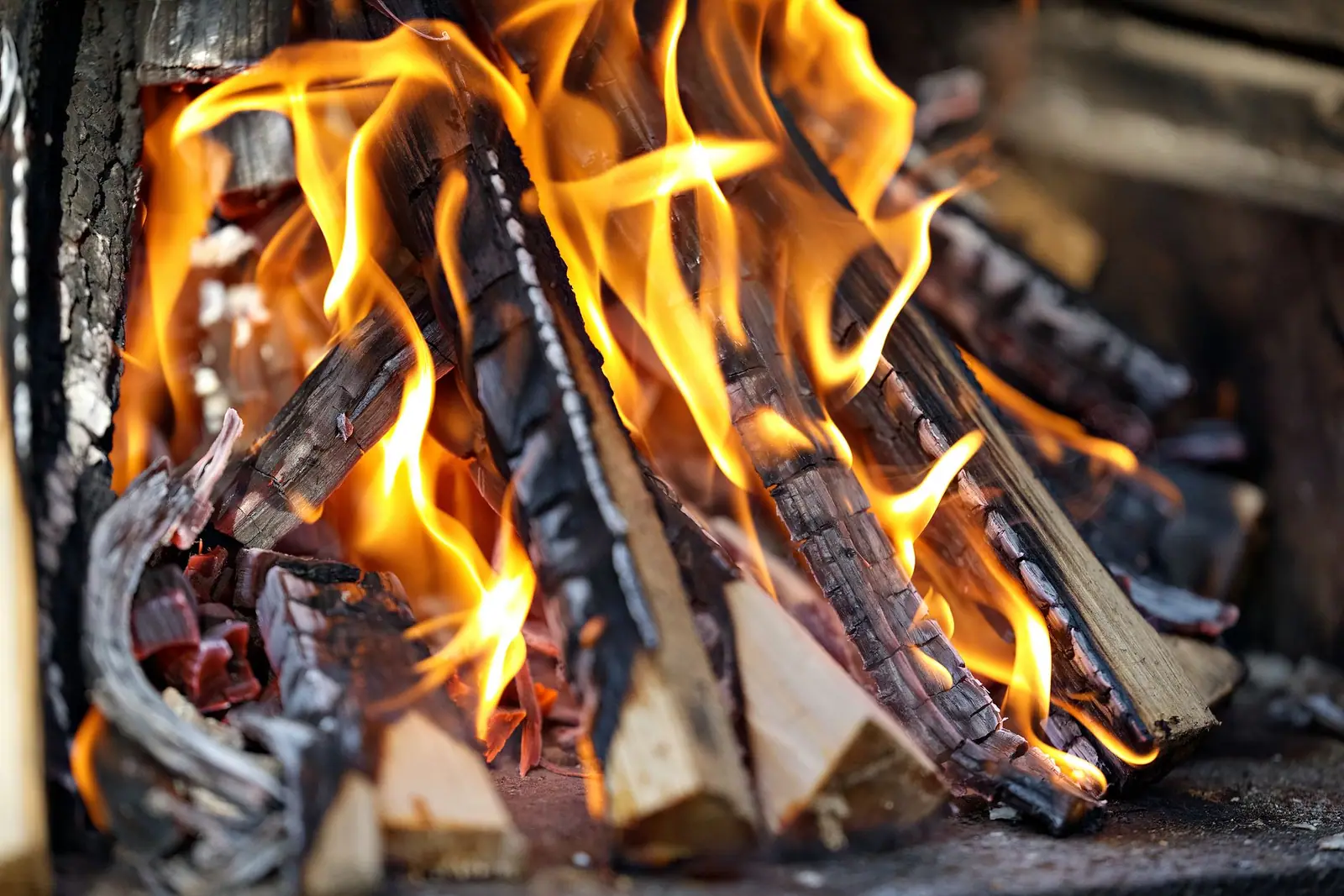
- Build hot fires, for safety and efficiency.
- Start with newspaper, dry kindling or natural firestarters, never petrol, kerosene or charcoal starter.
- Keep the appliance door closed except when loading.
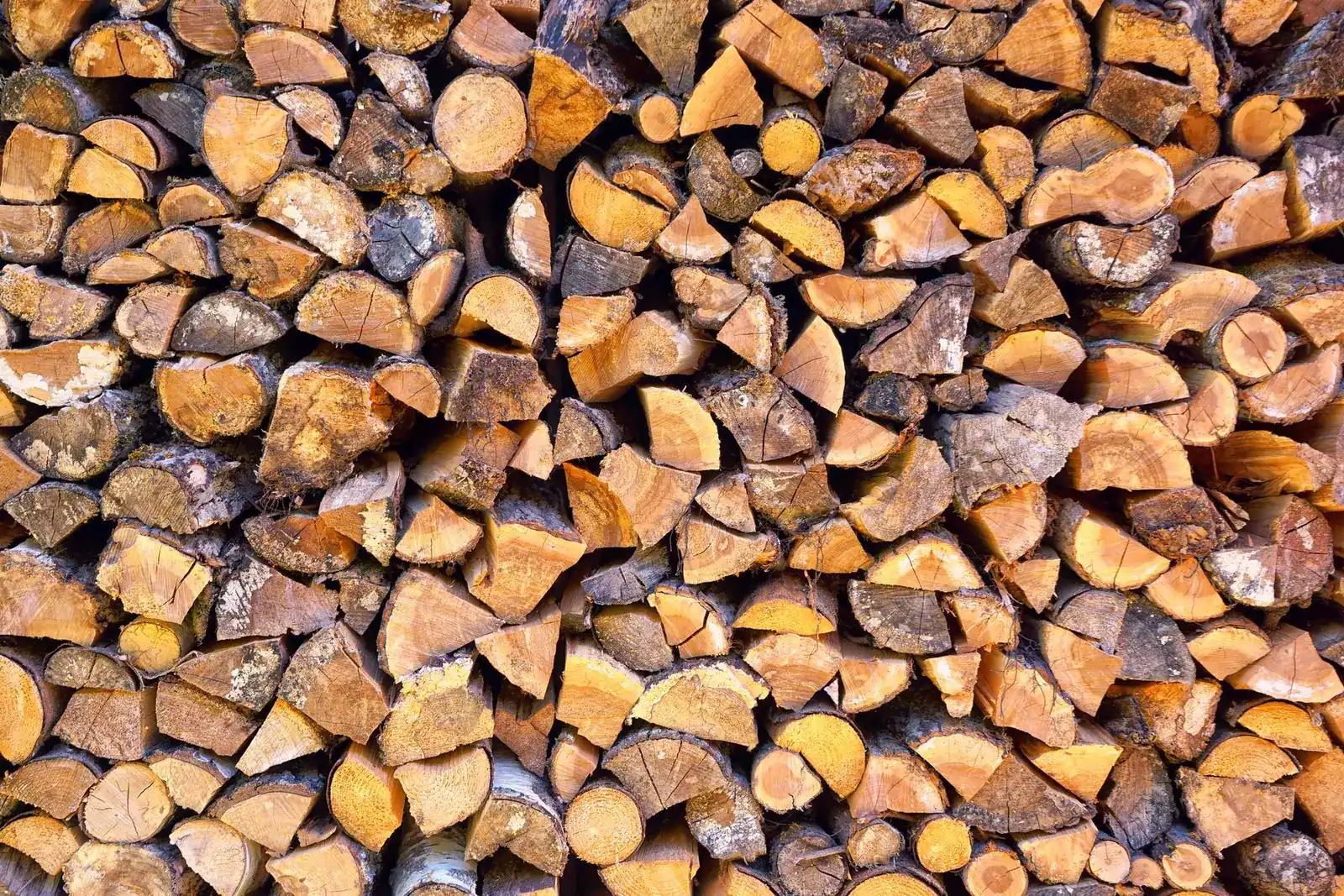
- Burn dry wood, below 20 percent moisture, seasoned at least six months.
The reason hot matters is combustion chemistry rather than comfort. Wood gives off gases as it heats, and those gases only burn above a certain temperature. Below it, they leave as smoke: wasted fuel on its way to becoming creosote.
The daily routine that works
- Load for the weather, not the night. Two or three splits burned hot beat a full box shut down.
- Start top-down if your stove suits it: larger splits at the bottom, smaller above, kindling and firestarter on top. The fire burns downward, warms the flue early and smokes far less than a bottom-lit pile.
- Give it air at the start. Open the air control fully until the load is properly alight and the flue is warm.
- Then reduce gradually, watching the fire. Flames should stay lively; if they go lazy and orange and the glass starts to darken, you have gone too far.
- Reload onto hot coals, rake them forward, and open the air for a few minutes after each load.
- Let it go out overnight in mild weather rather than choking a load down to survive until morning.
The outdoor check
This is the most useful habit in wood burning and it takes thirty seconds.
Ten to fifteen minutes after lighting, and again after a reload has settled, walk outside and look at the chimney top. Once the fire is established, there should be little visible smoke: a heat shimmer and perhaps a light haze in cold weather when water vapour condenses.
A steady grey or blue plume means something is wrong, and there are only three candidates: the wood is wet, the air is too far closed, or the load is too big for the draught available. Fix whichever it is and look again.
A flue thermometer, magnetic on a single-wall connector or probe type on a double-wall one, converts all of this from instinct into a number. It shows when the flue is warm enough to close the air down, when a catalytic stove’s combustor can be engaged, and when a fire is heading towards over-firing. It costs very little and it is the single most useful accessory a stove owner can buy.
What the glass is telling you
- Clear glass after a hot fire: the stove is burning properly.
- Light grey film that burns off when hot: normal.
- Black, tarry deposit within an hour: wet wood, or the air shut down too early and too far.
- Blackening only on one side: an air wash blocked or a load pushed against the glass.
Clean the glass when cold, with a damp cloth dipped in fine wood ash, which is mildly abrasive and free. If it is blackening every day, the fix is in the wood or the technique rather than in the cleaning.
Mistakes worth unlearning
- Damping down for a long overnight burn in mild weather. You get a smoky, cool fire and a dirty flue.
- Burning with the door ajar for the look of the flames, which pulls room air out of the house and cools the fire.
- Filling the firebox every time. A full load is for the coldest nights, not for October.
- Judging the fire by the flame colour alone. The chimney outside is the better instrument.
- Adding one log at a time on a low fire, which never lets it get hot enough to burn its own smoke.
Related reading: The Things That Should Never Go in a Stove and A Cord Is 128 Cubic Feet. A Rick Is Nothing.
Questions people ask
How do I stop my stove glass going black?
Burn drier wood and give the fire more air. Black, tarry deposit within an hour is the classic sign of wood above 20 percent moisture or an air control closed too early. Clean the cold glass with a damp cloth dipped in fine ash.
Is it bad to damp a stove down overnight?
It is the main cause of creosote. A load shut down to smoulder burns its fuel into smoke rather than heat, and the smoke condenses in the flue. In mild weather it is better to let the fire go out than to choke it.
How can I tell if I am burning cleanly?
Go outside ten to fifteen minutes after lighting and look at the chimney. Once established, a clean burn shows little visible smoke. A steady plume means wet wood, too little air, or a load too large for the draught.
What is a top-down fire?
Larger splits at the bottom, smaller above them, then kindling and a firestarter on top, so the fire burns downwards. It warms the flue early, establishes draught and produces noticeably less smoke than lighting from underneath.
Where these figures come from
- Best Wood-Burning Practices US Environmental Protection Agency, Burn Wise · epa.gov
- Pellet Stoves US Environmental Protection Agency, Burn Wise · epa.gov
- Heating Fire Safety US Fire Administration, FEMA · usfa.fema.gov
Figures last checked September 2026.