On this page
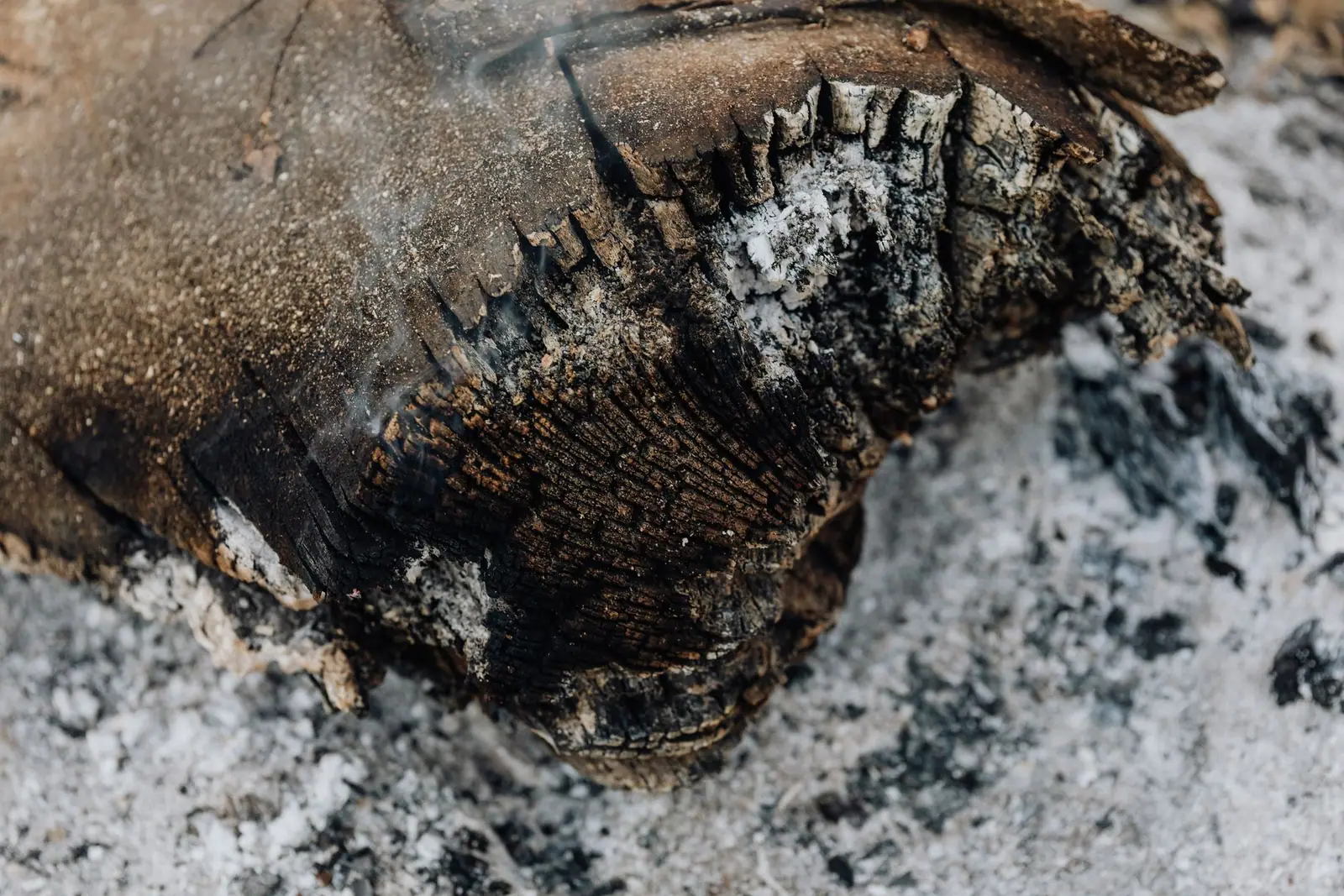
Ash is the most domestic part of wood heat and the part most likely to burn a house down. It looks inert, it feels cool on the surface, and underneath it can hold embers hot enough to start a fire long after the stove has gone out.
Key figures
- three feet Minimum stove clearance for combustible items
- below 20 percent EPA firewood moisture target
- at least six months Minimum seasoning before checking firewood moisture, EPA
Why ash is dangerous for longer than you think
A bed of fine ash is an excellent insulator. Embers buried in it lose heat very slowly, which is precisely why you can rake a stove in the morning and find live coals from the night before. Move that ash into a container and the same insulation keeps the embers alive, sometimes for days.
Every winter, fires start from ash placed in a cardboard box in the garage, a paper bag by the back door, a plastic bin against the house, or a metal bucket standing on a wooden deck.
The routine that works
- Let the fire die down and, where possible, wait a day before removing ash.
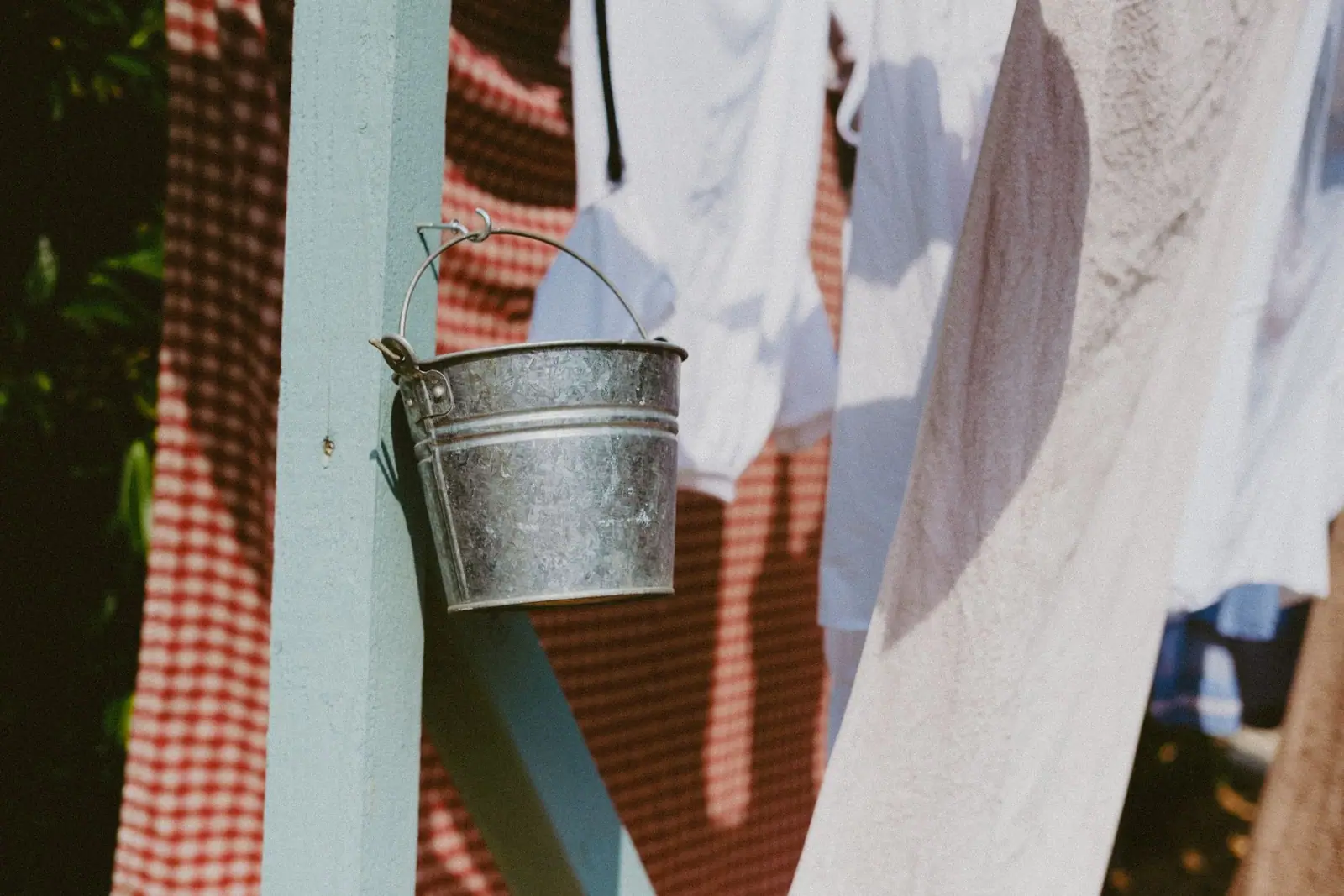
- Use a metal container with a tight-fitting metal lid. Not plastic, not paper, not a vacuum cleaner.
- Shovel, do not sweep. Fine ash lifted into the air is a mess and a lung irritant.
- Put the lid on as soon as the ash is in.
- Take it outside immediately, onto a non-combustible surface, away from the house, the deck, the fence, the woodpile and the vehicles.
- Leave it there for several days before doing anything else with it, lid on.
- Wet it down before final disposal if you are in any doubt, and never tip warm ash onto a compost heap, into a wheelie bin or onto dry ground.
Where people go wrong
- The garage. Convenient, sheltered, full of petrol, cardboard and a car.
- The deck. A metal bucket on a wooden deck transmits heat straight into the boards.
- Against the wall of the house, which is where wind carries embers if the lid is off.
- The vacuum cleaner, which is how a live ember meets a bag full of dust.
- The compost bin, where ash arrives warm and sits in dry material.
- “It has been out since yesterday.” Often true, occasionally not, and the cost of being wrong is total.
Keep a shallow bed of ash in the firebox rather than scraping it out completely. An inch or so insulates the base, helps the next fire establish and protects the bottom of the stove. Remove only what is needed to keep the air inlets clear and the fire well supplied.
The rest of the daily routine
Ash is one of four habits that decide whether a winter with a stove is uneventful.
- Clear the three-foot zone. The US Fire Administration’s guidance is to keep anything that can burn at least three feet from a heat source. Log baskets, kindling, newspapers, drying laundry and the ash bucket all count.
- Burn dry wood, hot. EPA’s guidance is below 20 percent moisture, seasoned at least six months, with bright fires rather than smouldering ones.
- Watch the glass. Clean glass means good combustion. A stove whose glass blackens quickly is telling you the wood is wet or the air is too far closed.
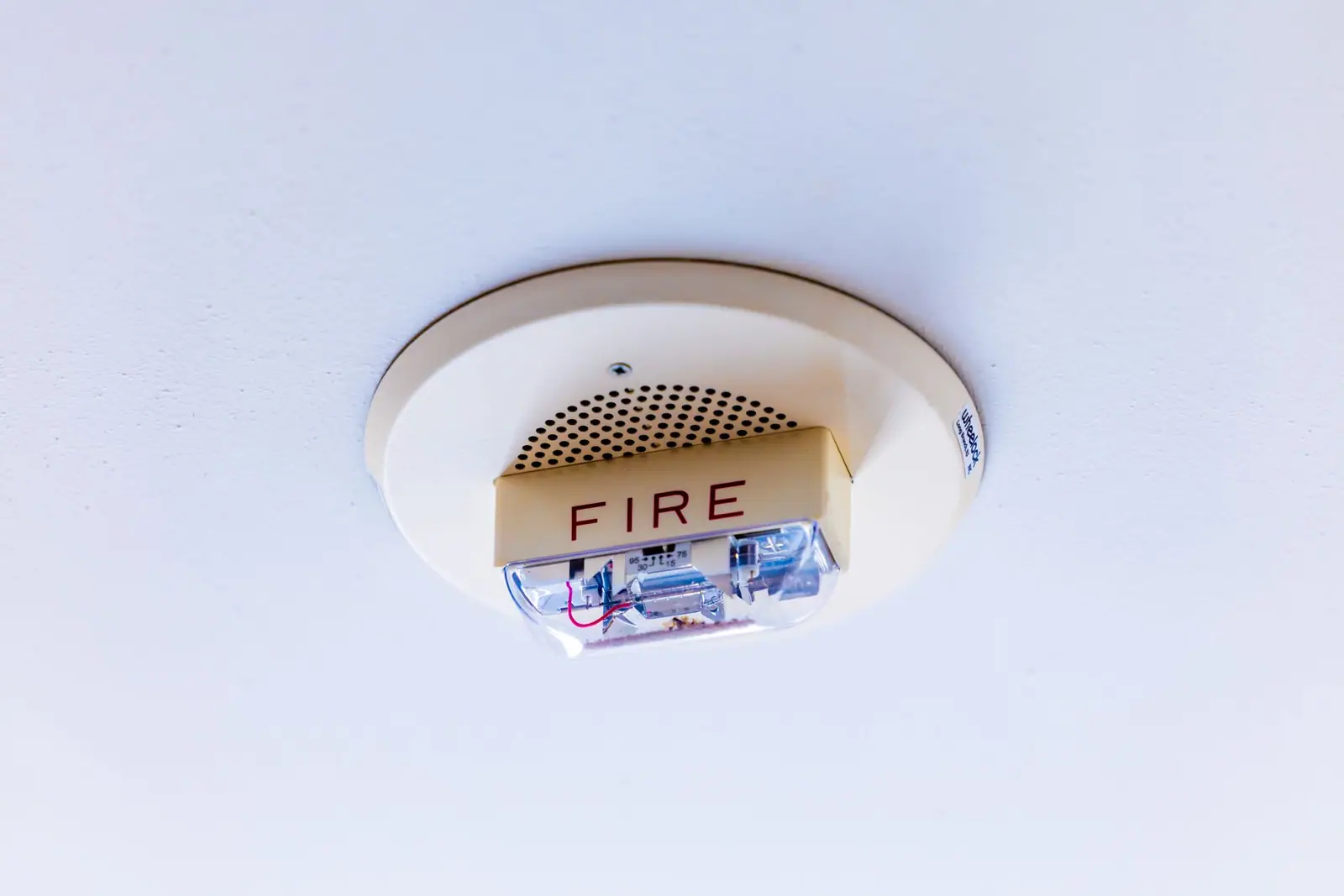
- Check the alarms. Smoke alarms on every level and outside sleeping areas, tested monthly, replaced at ten years; carbon monoxide alarms on each level, outside sleeping areas.
Using the ash, if you want to
Wood ash from untreated firewood is alkaline and contains potassium and calcium, so it has traditional uses in a garden. Two cautions:
- Only ash from clean wood. Nothing that came from treated, painted or glued wood, and nothing from burning rubbish, which is not something to spread anywhere.
- Only when completely cold, which means days in a lidded metal container, not hours.
And a soil test first if you are applying it in quantity, because raising pH is easy and lowering it again is not.
Related reading: The Alarms a House With Wood Heat Needs and A Chimney Cap Quote Needs the System It Will Fit.
Questions people ask
How long do embers stay hot in wood ash?
Longer than most people expect, sometimes several days, because fine ash insulates the embers. That is why ash should go into a lidded metal container placed outdoors on a non-combustible surface and left there before disposal.
What should I put wood stove ashes in?
A metal container with a tight metal lid, standing outdoors on something that cannot burn, away from the house, deck, fence, woodpile and vehicles. Never a cardboard box, paper bag, plastic bin or vacuum cleaner.
Should I remove all the ash from a wood stove?
No. Leave a shallow bed, around an inch, which insulates the base of the firebox and helps the next fire establish. Remove enough to keep the air inlets clear and the firebox usable.
Can I put wood ash on the garden?
Only ash from clean, untreated firewood, and only once it is completely cold. Wood ash is alkaline, so test the soil before applying it in quantity, and never spread ash from treated wood or from burning rubbish.
Where these figures come from
- Heating Fire Safety US Fire Administration, FEMA · usfa.fema.gov
- Best Wood-Burning Practices US Environmental Protection Agency, Burn Wise · epa.gov
- Smoke Alarms US Fire Administration, FEMA · usfa.fema.gov
Figures last checked September 2026.