On this page
A stove is a controlled fire inside a house, vented by a chimney that can crack, block or leak. Two kinds of alarm cover the two ways that goes wrong, and both are cheap relative to everything else in this subject.
Key figures
- less than two minutes Escape time a home fire may leave
- 10 years Smoke-alarm replacement age, counted from manufacture
- at least once a year 9-volt alarm battery replacement frequency
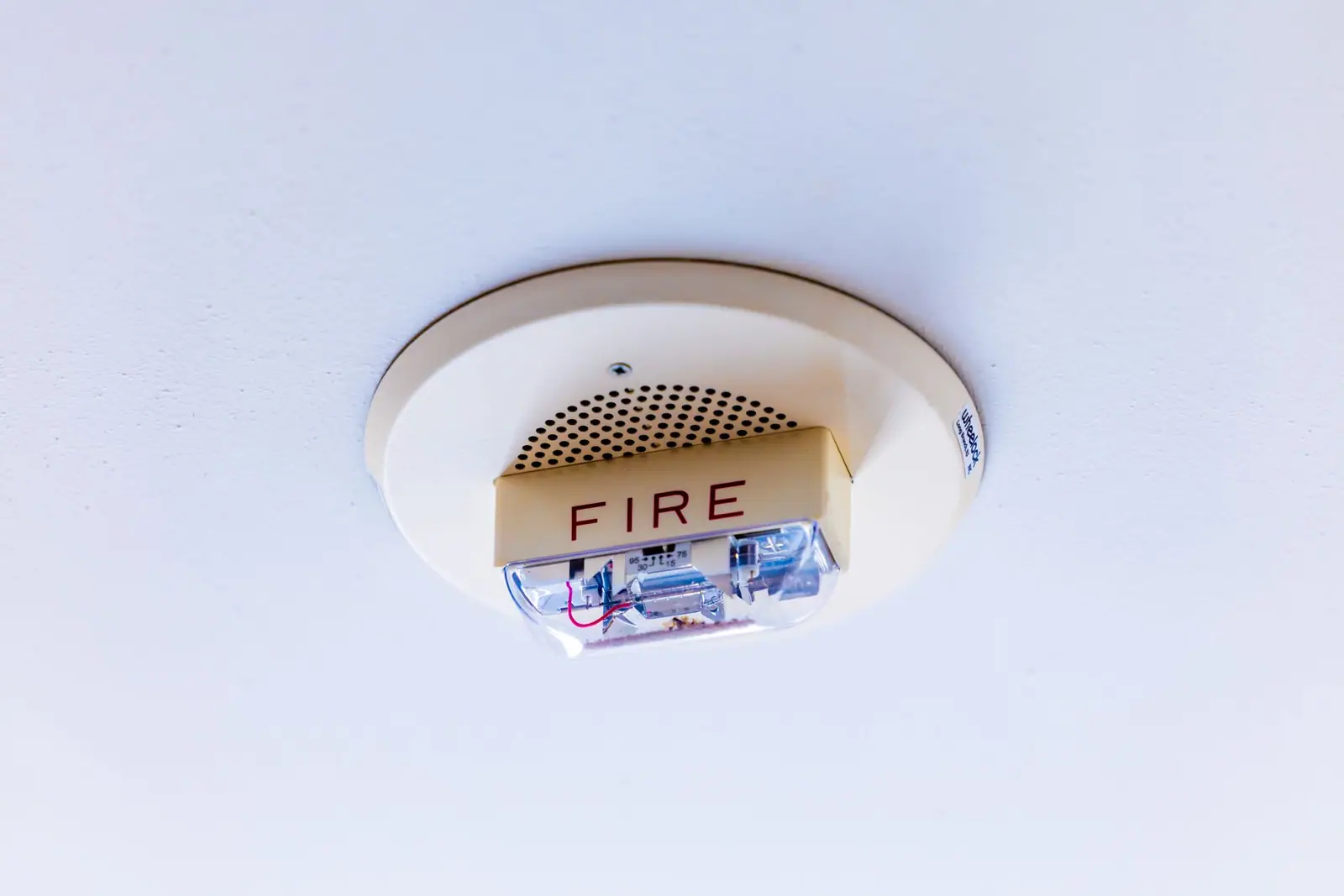
Smoke alarms
The US Fire Administration’s guidance is specific:
- Where: inside and outside each bedroom and sleeping area, and on every level of the home.
- Testing: test the alarm monthly.
- Batteries: for 9-volt alarms, replace the batteries at least once a year. Hardwired alarms need their backup batteries replaced annually too.
- Lifespan: replace the entire alarm every 10 years from the manufacture date, not from the date you installed it.
And the reason the routine matters: when you hear a smoke alarm, you may have less than two minutes to get everyone outside and safe.
In a house with a stove, add one more habit: know which alarm is nearest the appliance and pay attention when it becomes sensitive. An alarm that starts triggering on reloading is telling you that smoke is entering the room, which is a draught or a technique problem rather than a false alarm.

Carbon monoxide alarms
Carbon monoxide has no colour, taste or smell, and EPA’s list of household sources includes leaking chimneys and furnaces, unvented space heaters, and exhaust from an attached garage.
EPA cites the Consumer Product Safety Commission’s recommendation: every home should have CO alarms on each level, outside each sleeping area.
Symptoms are easy to mistake for something else. EPA describes fatigue in healthy people and chest pain in people with heart disease at low concentrations, and impaired vision and coordination, headaches, dizziness, confusion and nausea at higher ones, with very high concentrations being fatal.
Two practical rules follow:
- If a CO alarm sounds, get everyone outside into fresh air and call the fire service. Do not open windows and carry on.
- If several people in the house feel ill together, and feel better outdoors, treat that as a CO problem until proven otherwise.
The annual routine for a wood-heated house
- Before the season: chimney and appliance cleaned and inspected by a professional, as the US Fire Administration advises.
- Alarms: test every one, replace batteries, check the manufacture dates, and replace any alarm reaching ten years.
- Look at the connector pipe: corrosion, sagging joints, soot staining at seams, which can indicate leakage.
- Check the door gaskets on the stove, since a poor seal affects both draught and how much smoke escapes into the room.
- Clear the area to the three-foot line that the US Fire Administration recommends around heat sources.
Alarms have a date of manufacture printed on the back. In a house you have just bought, check them all on day one: an alarm installed by a previous owner may be well past ten years, and a CO alarm that is out of date can fail silently, which is the worst possible failure mode for a device you rely on while asleep.
What else belongs in the room
- A fire extinguisher suited to ordinary household fires, kept near an exit rather than beside the stove.
- A metal ash container with a lid, used outdoors and away from the building.
- A flue thermometer, which turns “burning hot enough” from a guess into a reading and protects against over-firing.
- A torch where you can find it, because heating problems often coincide with outages.
- The sweep’s number and the appliance manual, in the same folder as the installation permit.
None of that is glamorous. It is the difference between a stove that is a pleasure for twenty years and one that features in a claim.
Related reading: How Often a Chimney Actually Needs Sweeping and Ashes Start More Fires Than Anyone Expects.
Questions people ask
Where should smoke alarms go in a house with a wood stove?
Inside and outside each bedroom and sleeping area and on every level of the home, as the US Fire Administration advises. It is also worth knowing which alarm is nearest the stove, because one that starts triggering when you reload is reporting a draught problem.
How often should smoke alarms be tested and replaced?
Test monthly, replace 9-volt batteries at least annually, including the backup batteries in hardwired alarms, and replace the entire alarm every 10 years from the date of manufacture printed on the unit.
Do I need a carbon monoxide alarm if I heat with wood?
Yes. EPA lists leaking chimneys and furnaces among household CO sources, and cites CPSC's recommendation of CO alarms on each level, outside each sleeping area. Carbon monoxide is undetectable without one.
What should I do if the carbon monoxide alarm sounds?
Get everyone outside into fresh air and call the fire service. Do not stay inside to ventilate or investigate, and seek medical advice if anyone has headaches, dizziness, nausea or confusion, which EPA lists among the symptoms of higher exposures.
Where these figures come from
- Smoke Alarms US Fire Administration, FEMA · usfa.fema.gov
- Carbon Monoxide's Impact on Indoor Air Quality US Environmental Protection Agency · epa.gov
- Heating Fire Safety US Fire Administration, FEMA · usfa.fema.gov
Figures last checked September 2026.