On this page
Every quote for a pool talks about the installation. Almost nobody tells you what it costs in year three, when the novelty has worn off and the bill is still arriving every month.
The good news is that the running cost is made of five predictable lines, and two of them are under your control.
Key figures
- up to $310 ENERGY STAR yearly pool-pump running-cost estimate
- up to 50 percent DOE maximum heating-bill reduction with a pool cover
- $2,140 Example: DOE pre-standard life-cycle saving, in 2015 dollars
Line one: the pump
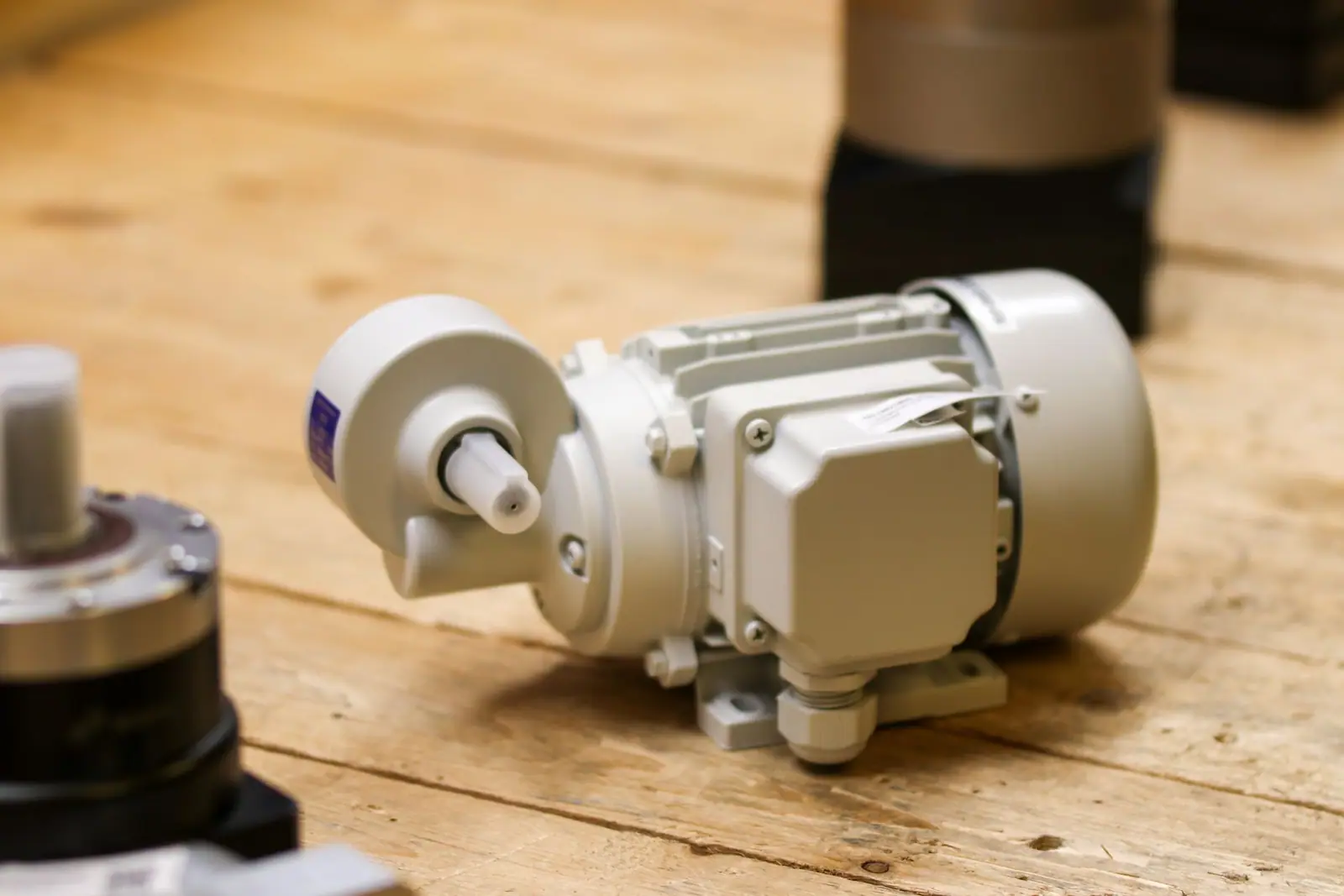
The pump runs more hours than anything else you own, which is why it dominates the electricity bill. ENERGY STAR describes a pool pump as potentially the second largest energy user in a home, costing up to $310 a year to run.
It is also the line the federal government decided to fix: since 19 July 2021, new dedicated-purpose pool pumps have had to meet Department of Energy efficiency standards that single-speed motors essentially cannot meet.
In the rule itself, DOE estimated the average life-cycle cost saving for the standard-size self-priming filter pump, the typical in-ground pool pump, at $2,140, with a simple payback period of 0.7 years.
- Standard self-priming filter pump$2,140
- Small self-priming filter pump$295
- Standard non-self-priming$191
- Integral cartridge filter pump$128
DOE direct final rule for dedicated-purpose pool pumps, average life-cycle cost savings in 2015 dollars. Compliance was required from 19 July 2021.
Line two: heating
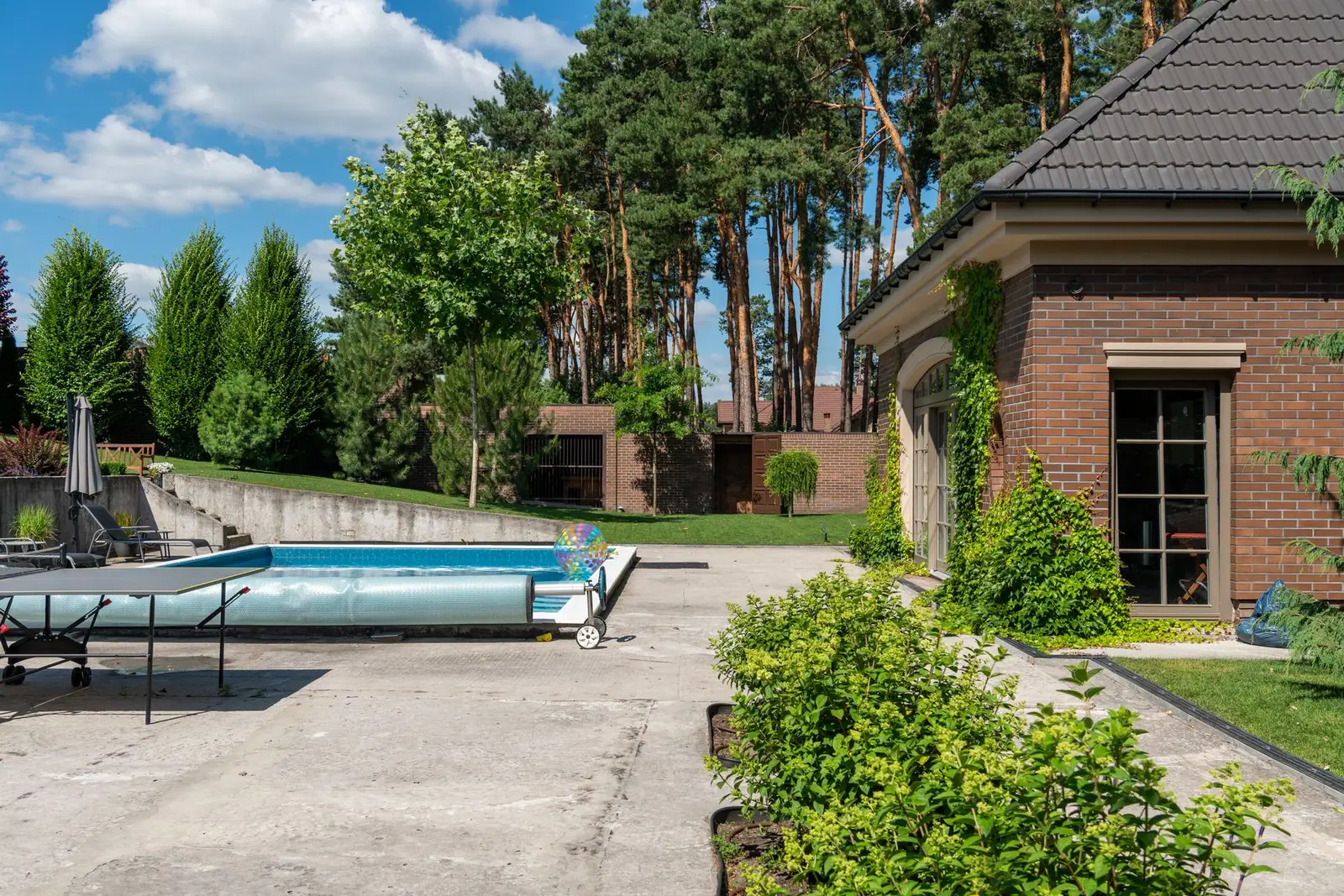
This is the line that turns a manageable pool into an expensive one, and the answer is not usually a better heater. The Department of Energy’s Building America guide states that the main source of water loss in swimming pools and spas is evaporation from the water surface, and that a cover can reduce heating bills by up to 50 percent by preventing night heat loss, while also saving on chemicals.
The same guide notes that single-family homes with pools use roughly 58 percent more outdoor water than homes without one, which is the same evaporation showing up on a different bill.
Line three: chemicals and water
Chlorine or bromine, acid or soda ash to hold the pH, and stabiliser for outdoor pools. The amount depends on sunlight, bather load and how well the water is balanced, so the sensible approach is to record what you buy for one season and use your own number thereafter.
Water itself is a smaller line than people expect, and most of what you replace is evaporation rather than splash-out, so the cover pays twice.
Line four: the things that break
A pool is a plumbing system outdoors. Over a decade, expect to replace a pump motor, a heater, a filter element or two, and eventually a liner or a surface. None of that is monthly, and all of it is predictable enough to save for.
Line five: insurance and, in some places, tax
A pool changes your home insurance, and a diving board or a slide changes it further. Your insurer will tell you exactly what it does to your premium in one phone call. In many jurisdictions a permanent pool also affects the assessed value of the property. Both are worth asking about before signing anything.
Find the pump’s wattage on its label, multiply by hours run per day, divide by 1,000 for kilowatt-hours, and multiply by the rate on your electricity bill. That single calculation tells you more than any national average.
The three decisions that move the total most
- Run the pump fewer hours at lower speed. Turnover matters, noise and wattage do not have to.
- Cover the pool. It pays for itself against heating and evaporation.
- Choose your target temperature deliberately. Every degree you hold above ambient is bought with fuel.
Related reading: Why Your Next Pool Pump Has to Be Variable Speed and Should You Buy a House That Has a Pool?, plus A Pool Light Repair Needs Qualified Electrical Work.
Questions people ask
What is the biggest running cost of a swimming pool?
Heating, where a pool is heated, and otherwise the pump. ENERGY STAR notes that a pool pump can be the second largest energy user in a home, costing up to $310 a year to run.
Do pool covers really save money?
The Department of Energy's Building America guide says a cover can reduce heating bills by up to 50 percent by preventing night heat loss, and that it saves on chemicals and water too.
Is a variable-speed pump worth it?
Federal standards effectively require one for most in-ground pools now. In its own rule, DOE estimated an average life-cycle saving of $2,140 with a payback under a year for the standard in-ground pump class.
How much does it cost to run a pool per month?
It depends on your electricity rate, whether you heat, and how long the pump runs. Calculate your pump's kilowatt-hours from its label and add your heating fuel; that beats any published average.
Where these figures come from
- Energy Conservation Standards for Dedicated-Purpose Pool Pumps, direct final rule US Department of Energy · energy.gov
- Water Savings in Pools and Spas Building America Solution Center, US Department of Energy · basc.pnnl.gov
- Pool Pumps ENERGY STAR · energystar.gov
Figures last checked September 2026.