On this page
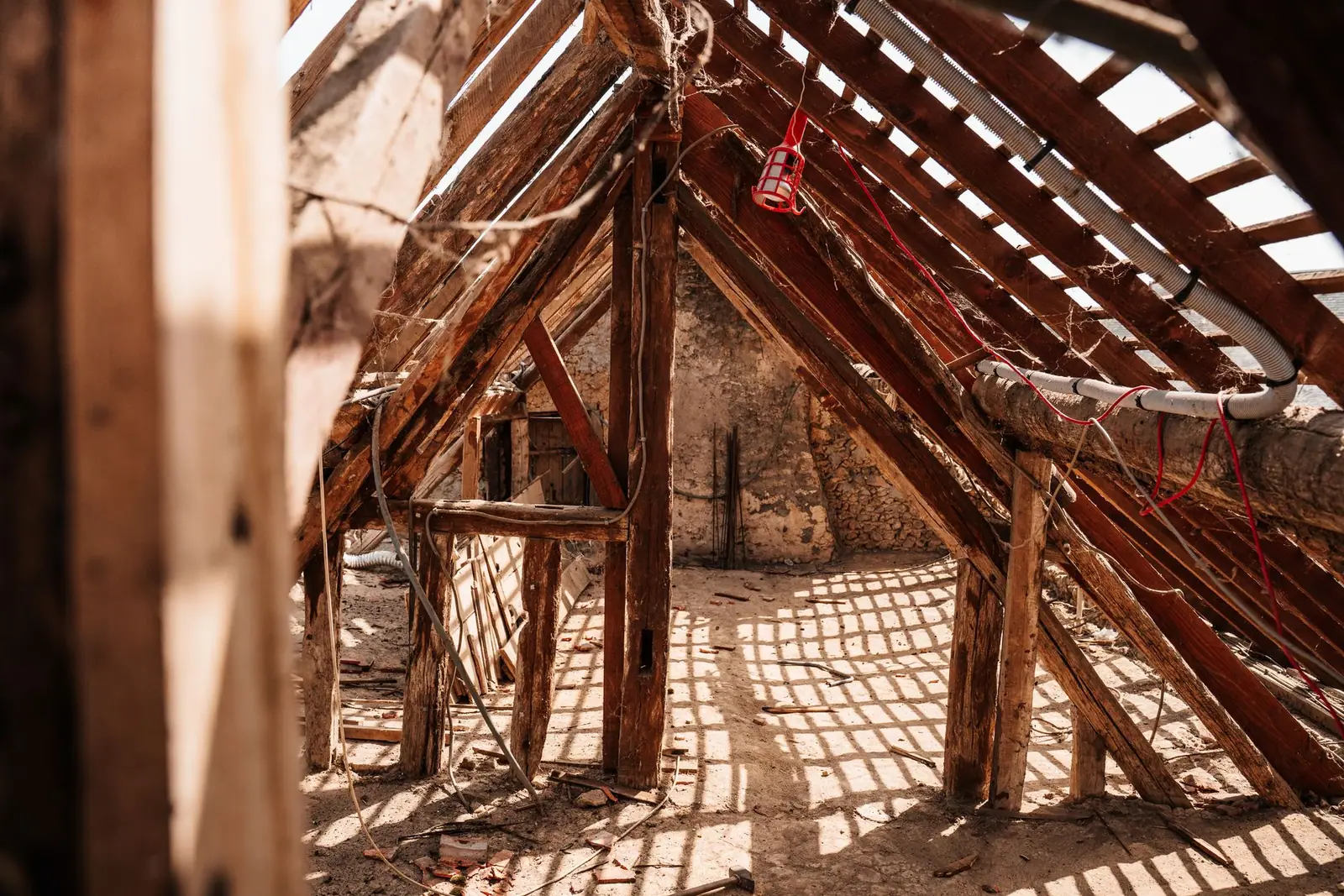
Spring opening of a cabin, clearing out a shed, lifting boxes in a garage that has sat undisturbed all winter: this is when people meet mouse droppings in quantity. The instinct is to grab a broom or the vacuum. With some mice, in some places, that is the dangerous part of the job.
Why the method matters
The concern is hantavirus, carried mainly by deer mice. UC IPM’s profile of the deer mouse says that deer mice in rural areas are a particular concern because they spread hantavirus to people, and explains how: humans can contract the virus by inhaling aerosolized deer mouse urine and feces.
That is the whole reason for the routine below. The risk comes from dust in the air, and the most natural cleaning tools, a broom and a vacuum, are exactly what put it there.
UC IPM also notes that deer mice are not common in urban and residential areas unless large parks or fields are nearby, and that they often enter vacant homes, cabins and outbuildings. So the risk is highest in exactly the places people clean once a year.
Telling a deer mouse from a house mouse
UC IPM gives the distinguishing features:
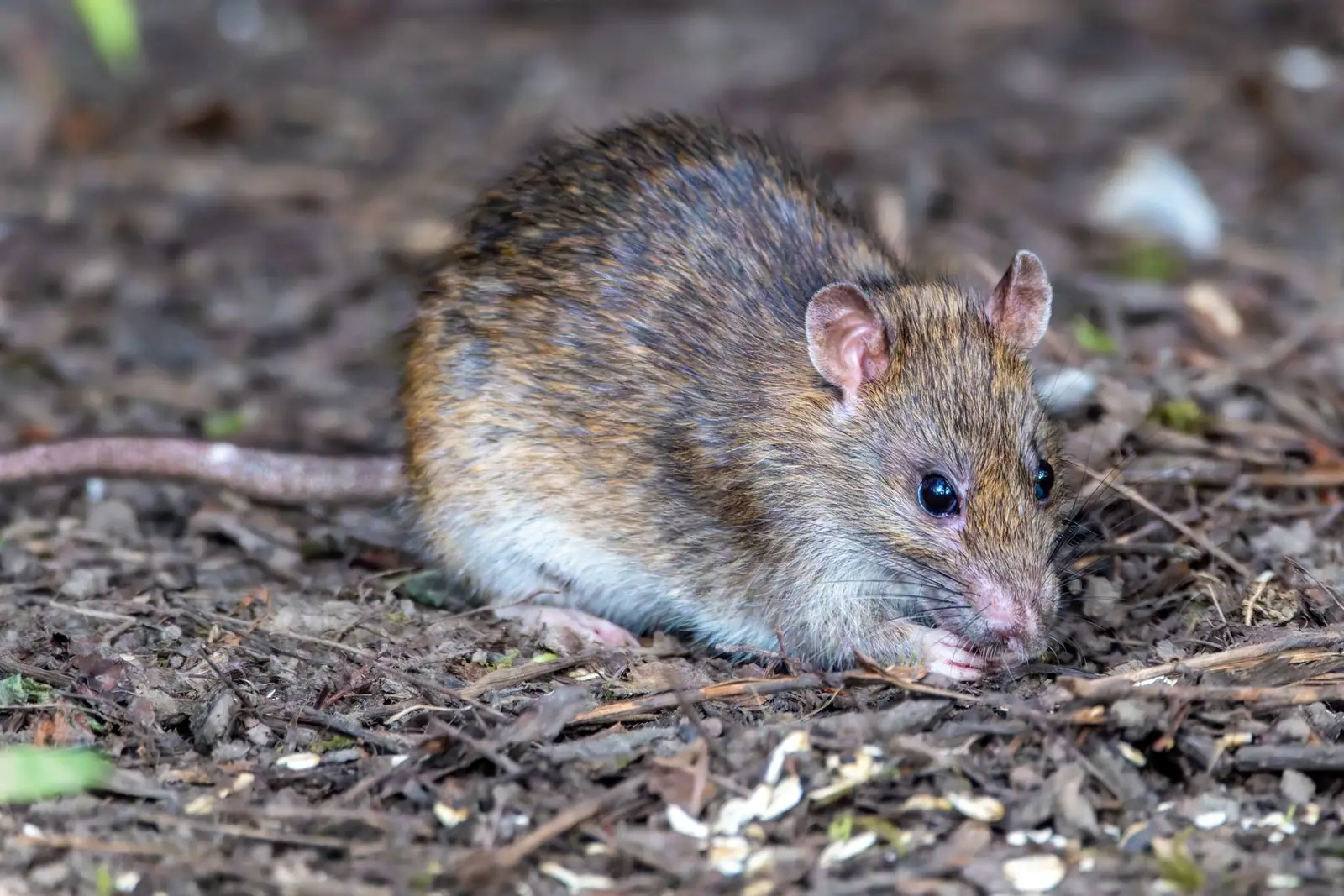
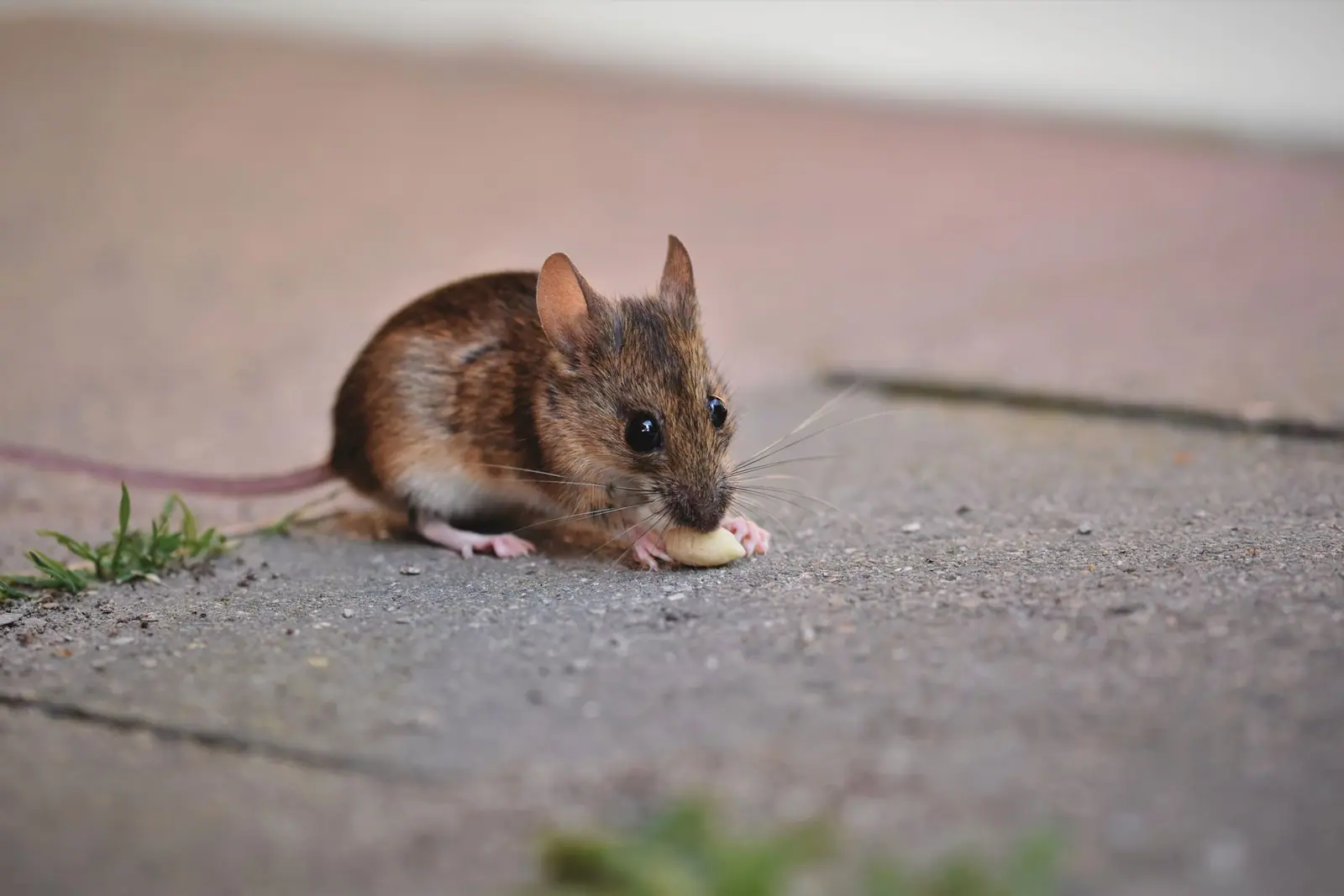
- Deer mouse: white underside, legs and feet, a darker brown back, larger eyes, and a bicolored tail, dark on top and white below. The bicolored tail is the easiest feature.
- House mouse: an overall gray or gray-brown coat, without the sharp white belly.
You will not always see the mouse. In a rural building, treat the droppings as if they came from deer mice.

The routine, step by step
This follows UC IPM’s guidance for deer mouse-infested buildings.
- Air it out first. Before occupying a closed house, cabin or outbuilding, open the doors and windows for at least 30 minutes. Where possible, put an electric fan in a window or doorway to help. Leave the building while it airs.
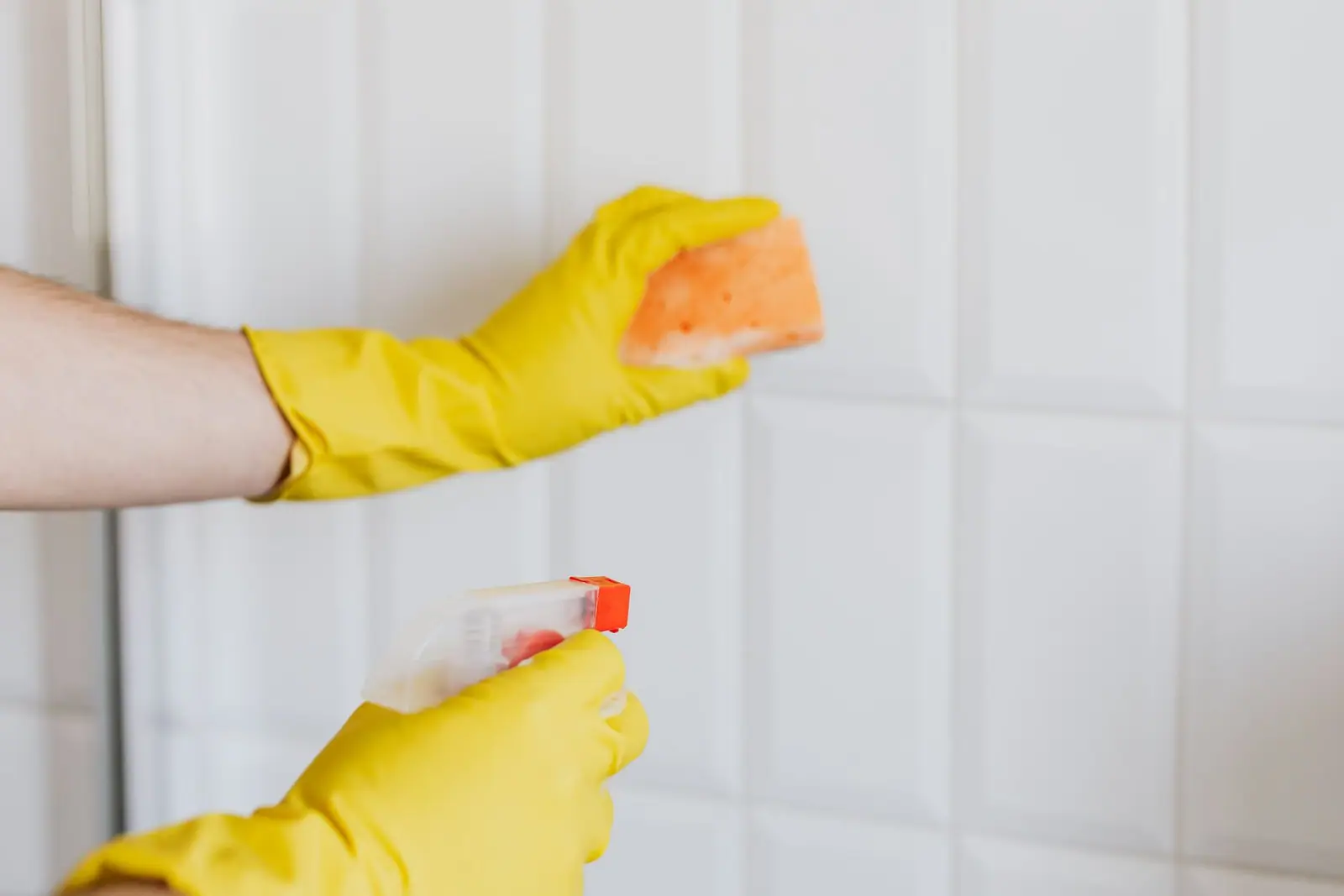
- Put on non-fabric gloves: rubber, latex, vinyl or nitrile.
- Consider your breathing protection. UC IPM says a cloth or paper mask gives some protection and is better than none, but only an approved respirator with HEPA filters offers full protection against airborne virus.
- Mix your disinfectant. UC IPM mentions a disinfectant such as Lysol, or a 10 percent bleach solution: 1½ cups of household bleach in 1 gallon of water, which is one part bleach to nine parts water.
- Soak everything before touching it. Thoroughly wet droppings, urine stains, nests and any dead or trapped mice, and let it soak for 10 minutes.
- Wipe up, do not sweep. Remove the nest material, mice and droppings with a damp towel, then mop or sponge the area with the disinfectant.
- Dispose of mice and nests in sealed plastic bags with the household trash, or bury them where pets and scavengers cannot dig them up.
- Disinfect reusable gloves before taking them off, then wash your hands thoroughly with soap and water.
The two things never to do are the two most natural: sweep, and vacuum. UC IPM’s warning is to never stir up dust by vacuuming or sweeping or through any other activity. Soak first, every time, and let the disinfectant sit before you touch anything.
Things to know about bleach
- It damages fabrics and rugs. UC IPM notes the solution can damage rugs and fabrics and irritate skin.
- Never mix it with ammonia or other cleaners.
- Make it fresh. Diluted bleach weakens over time.
- Ventilate while you use it, which you are doing anyway.
Soft furnishings, insulation and bedding
- Upholstered furniture and carpets can be shampooed and steam cleaned, according to UC IPM, once droppings and nests have been soaked and removed.
- Mattresses, clothing and paper are all things deer mice damage, UC IPM notes, so store them sealed in closed buildings.
- Heavily soiled insulation in an attic or crawl space is a job for a professional with proper respiratory protection.
Then close the building
Cleaning without sealing just resets the clock. UC IPM describes excluding deer mice from dwellings as the most effective and permanent management method. It advises sealing openings larger than a quarter of an inch, since mice gnaw to enlarge them, and warns that plastic screening, rubber, vinyl, foam and wood are unsuitable because mice chew through them. Steel wool makes a good temporary plug. Fit door sweeps, keep food sealed, and store bedding and cushions in closed containers over winter.
If you become ill with fever, aches and breathing trouble after cleaning up after rodents, tell your doctor about the exposure.
Related reading: The Rodent Poison You Are Allowed to Buy and Rats in the Attic Usually Came In From a Tree.
Questions people ask
Is it safe to vacuum mouse droppings?
No. UC IPM warns never to stir up dust by vacuuming or sweeping, because hantavirus from deer mice is caught by inhaling aerosolized urine and droppings. Soak droppings with disinfectant first, then wipe them up.
What should I use to clean mouse droppings?
A disinfectant such as Lysol or a 10 percent bleach solution, which UC IPM describes as 1½ cups of household bleach in 1 gallon of water. Wet the droppings thoroughly, let it soak, then wipe with disposable towels and bag everything.
Do I need a mask to clean up mouse droppings?
UC IPM says a cloth or paper mask gives some protection and is better than nothing, but only an approved respirator with HEPA filters offers full protection against airborne virus. Airing the space out for at least 30 minutes first also reduces risk.
Do house mice carry hantavirus?
The main concern in the United States is the deer mouse, which UC IPM says spreads hantavirus to people, particularly in rural areas. In rural buildings where you cannot tell which mouse left droppings, use the full cleaning routine.
Where these figures come from
- Deer Mouse Management Guidelines University of California Statewide IPM Program · ipm.ucanr.edu
- House Mouse Management Guidelines University of California Statewide IPM Program · ipm.ucanr.edu
Figures last checked September 2026.