On this page
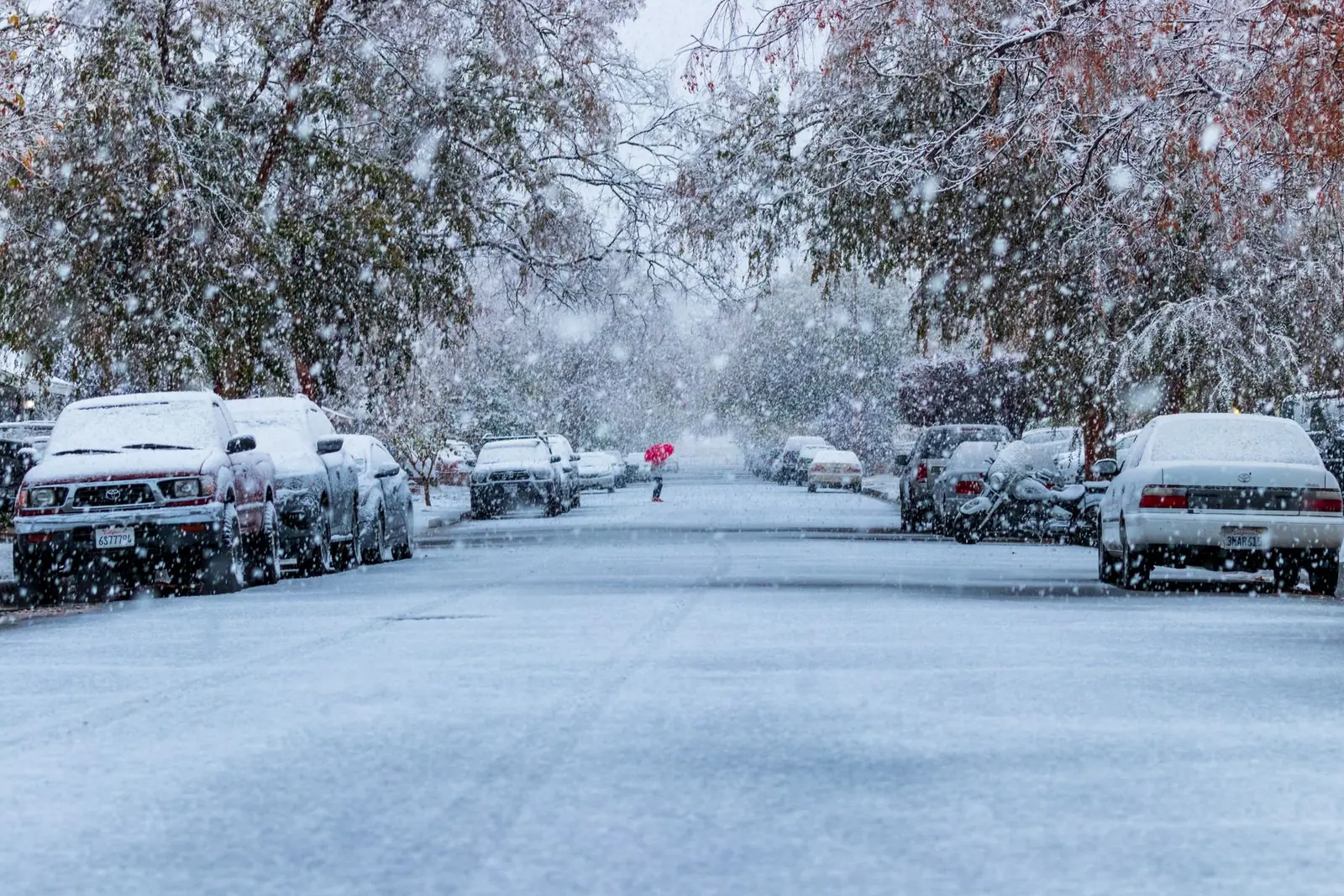
Snow closes roads. Ice takes down power lines, and that is the part that hurts. A winter storm that leaves a house without heat for three days is a different event from one that leaves eight inches on the drive.
Before the season
- Service the heating system and change filters. The failure always happens on the coldest night.
- Test every CO alarm and replace batteries. Check the expiry date printed on the unit; sensors wear out.
- Insulate exposed pipes in crawl spaces, garages and outside walls, and know where the main stopcock is.
- Stock the vehicle: blanket, torch, scraper, jump leads, sand or grit, and a power bank.
- Plan the warm room: small, interior, few windows, ideally with a fuel heater or fireplace that works without electricity.
When the forecast turns
- Charge everything and fill the car.
- Fill containers with water. If a well pump stops or pipes freeze, this is your supply.
- Move firewood or fuel closer, and make sure the fireplace or stove is clear and the flue open.
- Set the heating slightly higher beforehand. A warm house has thermal mass; a cold one has none.
- Open cupboard doors under sinks on outside walls, and let taps drip.
Carbon monoxide and fire. Both come from heating improvised indoors: a generator in the garage, a grill on the porch, an oven left open, a space heater against the sofa. Heating equipment fires kill hundreds of people a year, and space heaters account for most of those deaths.
During, without power
Hold one room. Close the rest of the house, block draughts under doors, hang blankets over windows at night, and put everyone in the same room to sleep.
Layer, do not blast. Loose layers, hats indoors, sleeping bags. Wool and synthetics keep working when damp.
Eat and drink warm things if you can heat them safely, and keep eating: the body produces heat from food.
Never heat with an oven, a grill, an unvented fuel heater in a sealed room, or a generator anywhere near the house.
Pipes
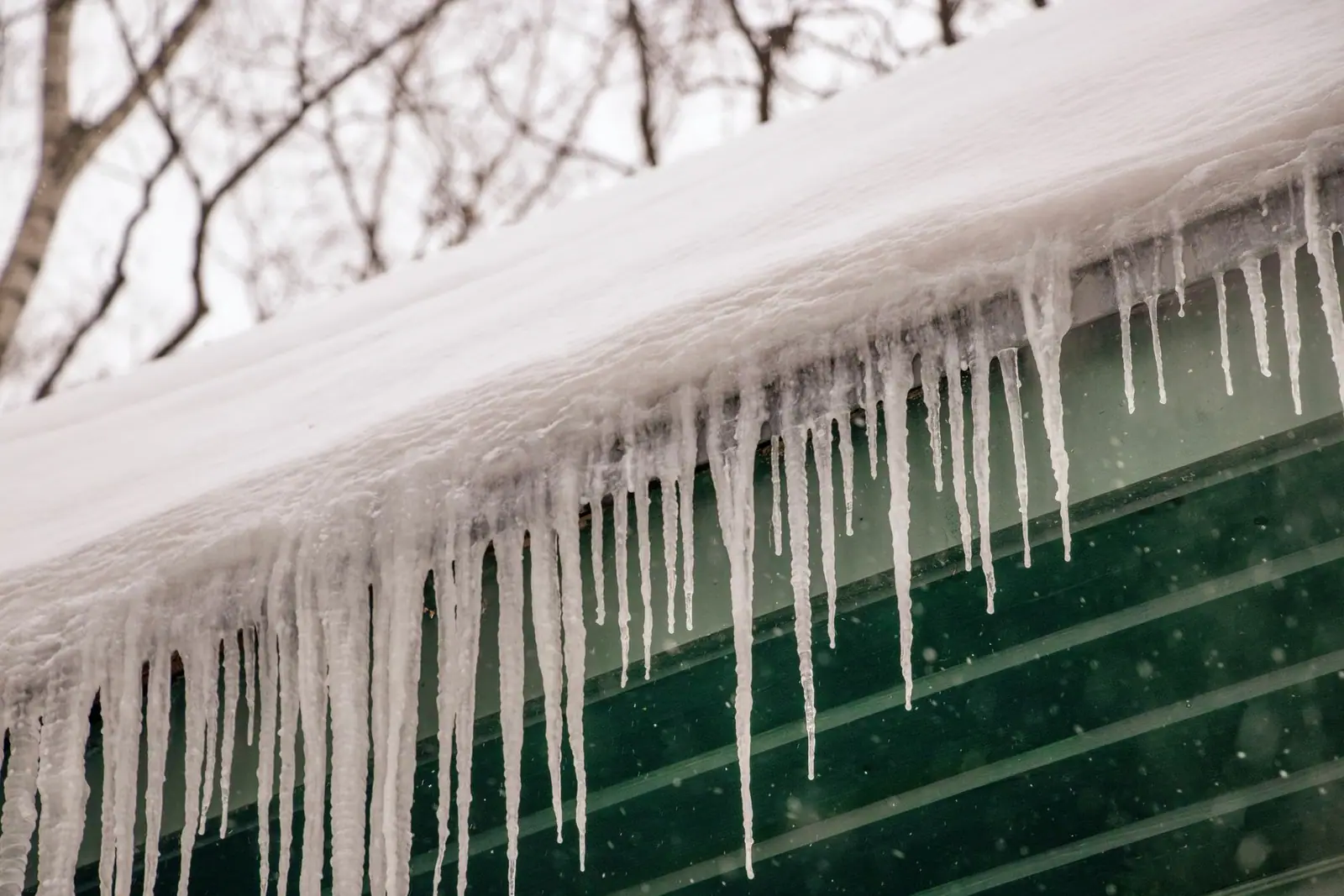
A frozen pipe is a problem; a thawing one is a flood. If a tap stops running:
- Leave the tap open. It gives the melting water somewhere to go.
- Warm the pipe gently with a hairdryer or hot towels, working from the tap backwards. Never a naked flame.
- Know where the stopcock is, and turn the water off at the first sign of a leak.
- If a pipe has burst, water off first, power off to that area if water is near anything electrical, then call.
Getting out, and helping
Check on older neighbours and anyone who lives alone, particularly if the outage runs past a day. Many councils open warming centres during long winter outages, and the people who most need them are the least likely to hear about them.
If you must drive, tell someone the route and the expected time, and take the blanket and the torch. A car that leaves the road in a rural area in a blizzard is a survival problem, not a recovery one.
Related reading: A Storm Debris Quote Needs a Safe Disposal Scope and The Dangerous Part Starts After the Storm, plus Keeping Warm Without Power, Without a Fire.
Questions people ask
How long can a house stay warm without heat?
It depends on insulation and outside temperature, but the loss happens over hours. Closing off a single room slows it dramatically and is the practical plan.
Is it safe to use a fireplace during a power outage?
A working, maintained fireplace or wood stove with a clear flue is one of the few safe options. Have it swept before the season and keep a CO alarm nearby.
How do I stop pipes freezing?
Insulate exposed pipes, keep the house above freezing, let taps on outside walls drip, and open cupboards so warm air reaches the plumbing.
Why do carbon monoxide deaths rise in winter?
Because heating and improvised heat sources multiply. CDC data shows unintentional carbon monoxide deaths concentrate in December, January and February.
Where these figures come from
- Winter Weather Ready.gov, FEMA · ready.gov
- Home Heating Fires report National Fire Protection Association · nfpa.org
- QuickStats: Number of Deaths Resulting from Unintentional Carbon Monoxide Poisoning, by Month and Year Morbidity and Mortality Weekly Report, CDC · cdc.gov
Figures last checked September 2026.