On this page
Hurricane preparation is mostly a scheduling problem. Nearly everything worth doing is easy a week out, hard two days out, and impossible the night before.
Before the season
- Find your evacuation zone on your county’s map, and your route out. Zones are set by storm surge risk, not by wind.
- Buy flood insurance, if you are going to. The federal policy normally waits 30 days, so this is a spring job.
- Photograph the house, inside and out, including serial numbers of expensive items. Claims go faster with a before.
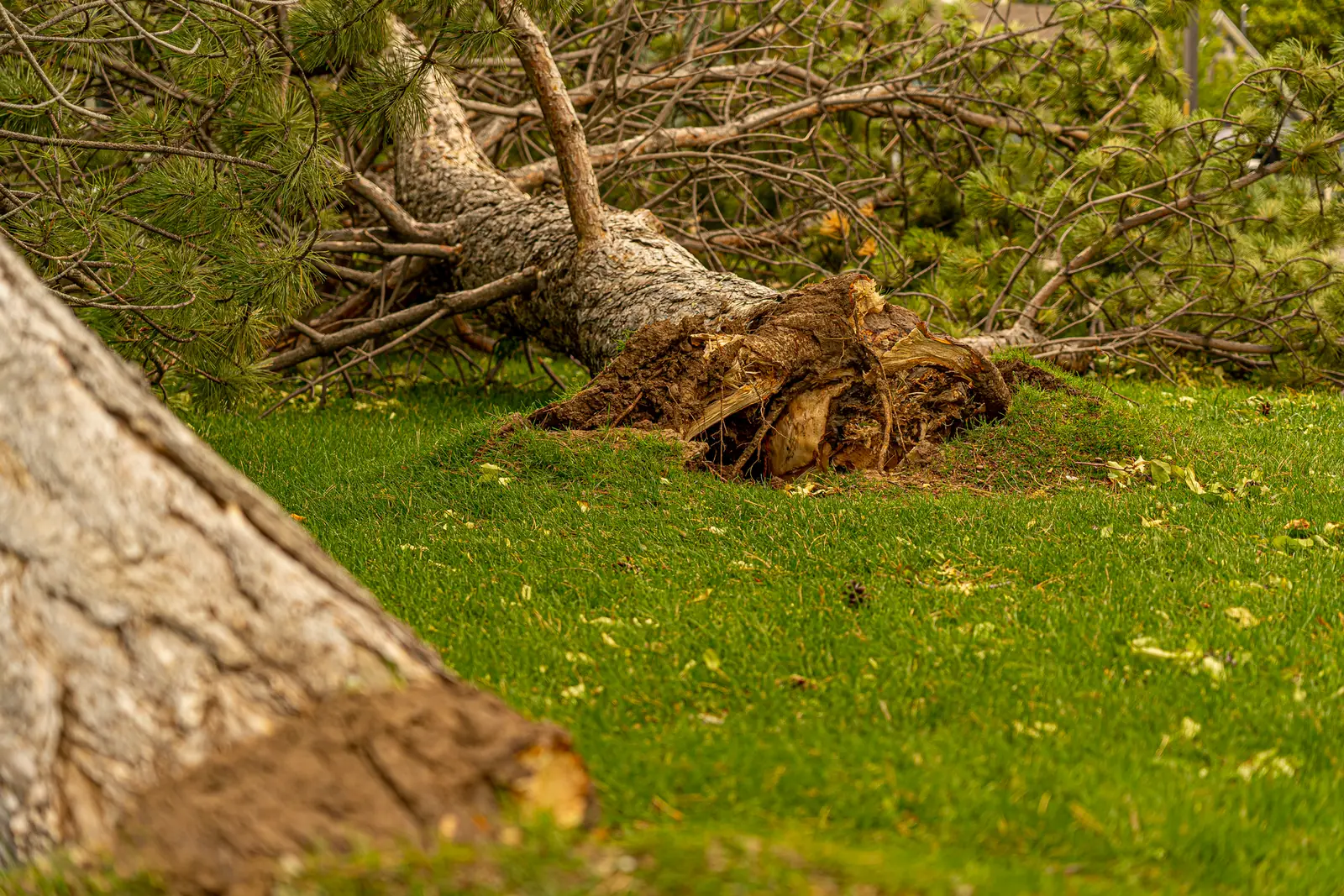
- Deal with the trees. Dead limbs over the roof are a scheduled job in June and an emergency in September.
- Service the generator and run it for a few minutes under load.
When a storm enters the forecast, five to seven days out
- Refill prescriptions. Ask the pharmacy about an early refill; many are allowed once a storm is forecast.
- Fill the car and the spare fuel cans.
- Get cash, in small notes.
- Buy water and food that needs no cooking or refrigeration. One gallon of water per person per day is the Ready.gov baseline.
- Charge everything, including power banks and tool batteries.
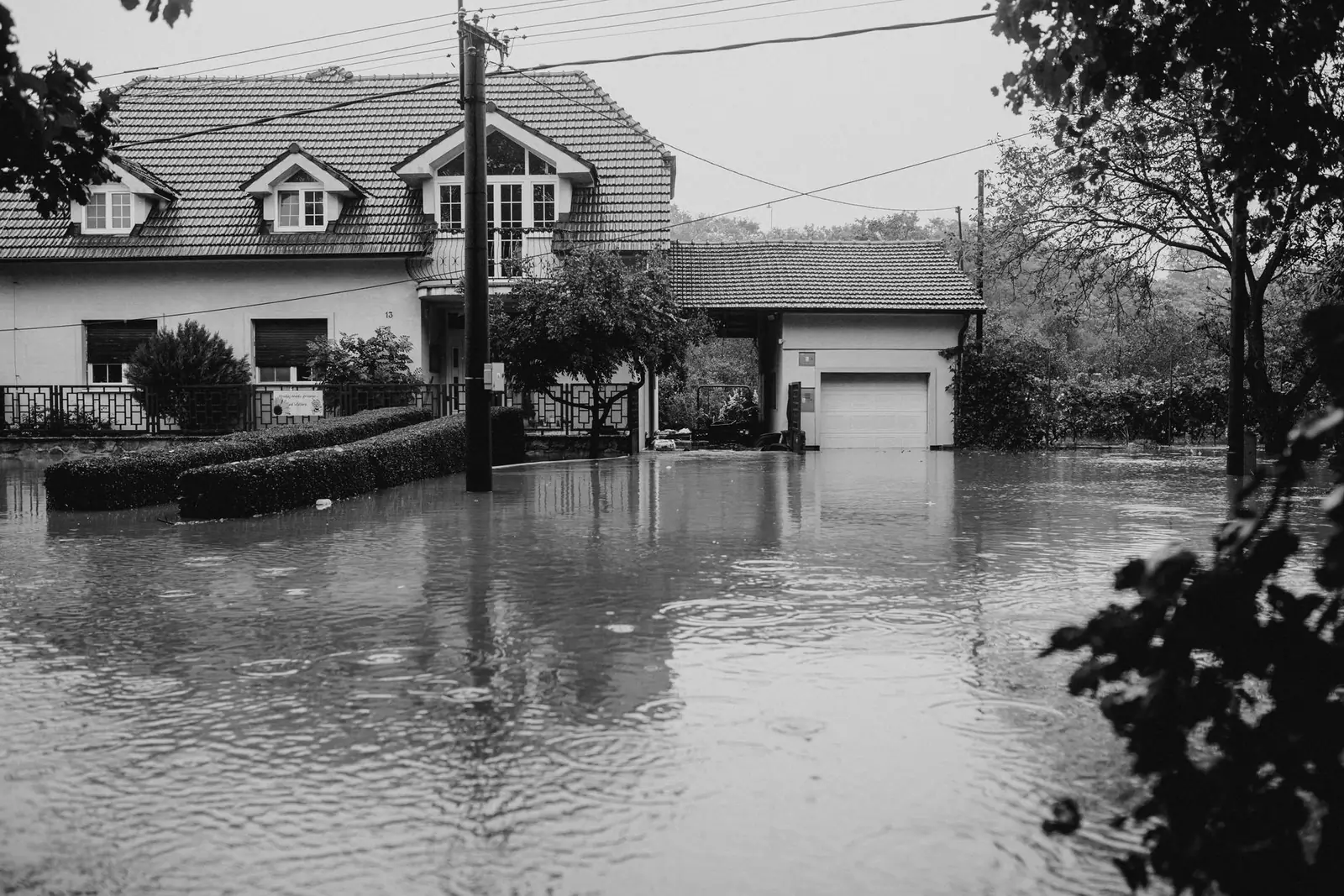
The cone shows the probable track of the storm’s centre. Rain, wind and surge reach far beyond it, and a storm that passes 100 miles away can still flood your street. Follow your local National Weather Service office, which forecasts what happens where you actually live.
Two to three days out
- Secure the garden. Furniture, bins, planters, anything that becomes a projectile, indoors or tied down.
- Fit shutters or board up, if that is your plan. This takes longer than you expect and is the job people run out of time for.
- Freeze water bottles and turn the fridge and freezer to their coldest setting.
- Do laundry and run the dishwasher, because water and power may stop.
- Fill the bath and containers with water for flushing and washing.
- Back up documents to the cloud, and put the paper ones in a waterproof bag with the go-bag.
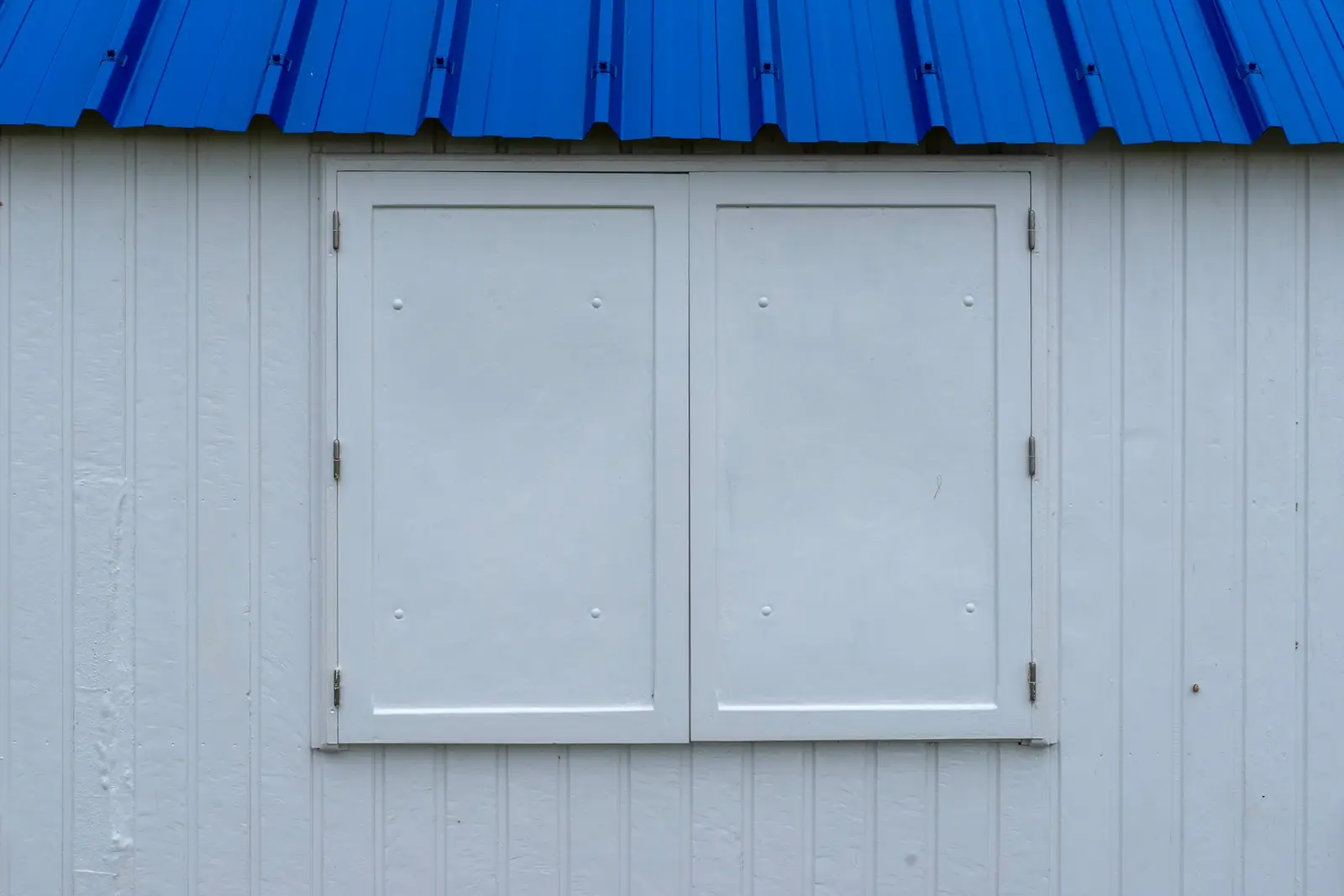
If you are told to evacuate
Go, and go early. The reason evacuation orders exist is storm surge, which arrives before the worst wind and cuts the roads you planned to leave by.
Take: medication and the medication list, documents, chargers, cash, a change of clothes, food and water for the journey, and whatever your pets need. Leave a note with where you have gone, and tell your out-of-town contact.
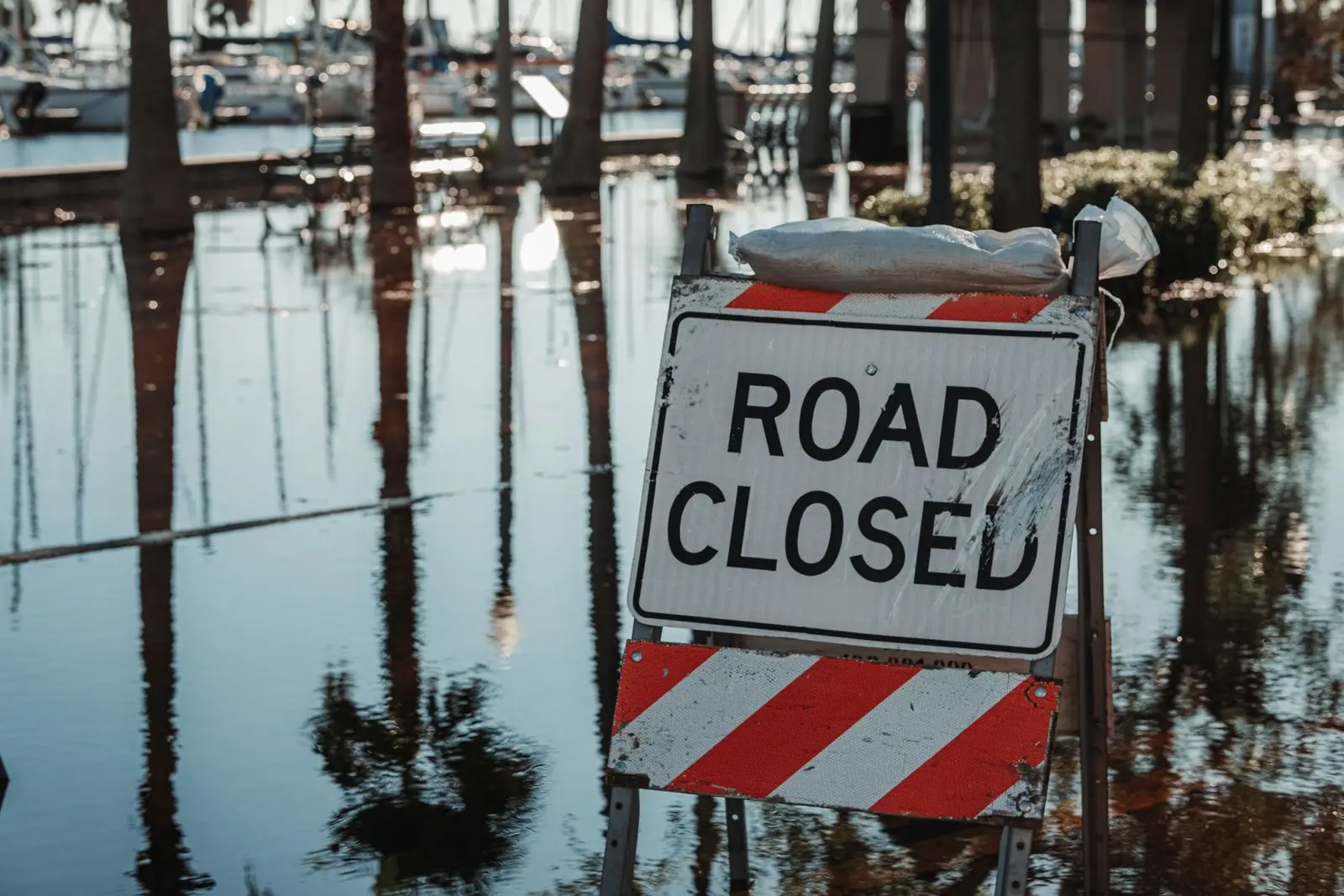
Turn off the utilities if you are instructed to, and lock up. Do not drive through water at any depth.
If you are staying
- Pick an interior room on the lowest floor that is above flood level, away from windows.
- Keep shoes on and a torch to hand. Broken glass is the most common injury after the fact.
- Stay inside during the eye. The calm half is the middle, not the end, and the wind returns from the opposite direction.
- Keep a battery or hand-crank radio for when the mobile network fails, which it frequently does.
After
Wait for the official word before moving around. Downed lines are live, water is contaminated, and the generator rules matter most in exactly this week: outdoors, 20 feet from the house, every single time.
Related reading: Flood Insurance Takes 30 Days to Start and A Storm Debris Quote Needs a Safe Disposal Scope.
Questions people ask
When should I start preparing for a hurricane?
The expensive and slow jobs belong to the start of the season. Once a storm is in the forecast, five to seven days out is when supplies are still available.
Is the forecast cone where the damage will be?
No. It shows the probable track of the storm's centre. Rain, wind and surge extend well beyond it.
Can I buy flood insurance when a storm is coming?
You can buy it, but it normally will not cover that storm. FEMA states there is typically a 30-day waiting period before a new policy takes effect.
Should I tape my windows?
No. Tape does not stop breakage and it produces larger shards. Shutters or plywood fitted properly are what work.
Where these figures come from
- Hurricane Safety: Prepare National Weather Service, NOAA · weather.gov
- Water Ready.gov, FEMA · ready.gov
- Waiting Period for Activating Flood Policy? FEMA · fema.gov
Figures last checked September 2026.