On this page
Kitchen scraps and yard waste are heavy, wet and a large share of the trash. The EPA’s figures for 2018 put food at 21.6 percent and yard trimmings at 12.1 percent of municipal solid waste. Turning that into compost saves on bagged soil amendments and trash.
The hard part is not composting itself. It is picking a setup you will keep using.
Key figures
- 27 cubic feet Minimum ideal compost-bin volume, per Maryland Extension
- over 130°F Hot-compost threshold for pathogen control, per NC State
The three common setups
| Setup | Cost | Best for | Downsides |
|---|---|---|---|
| Open pile | Free | Large yards with lots of leaves | Untidy, can attract animals if food is added |
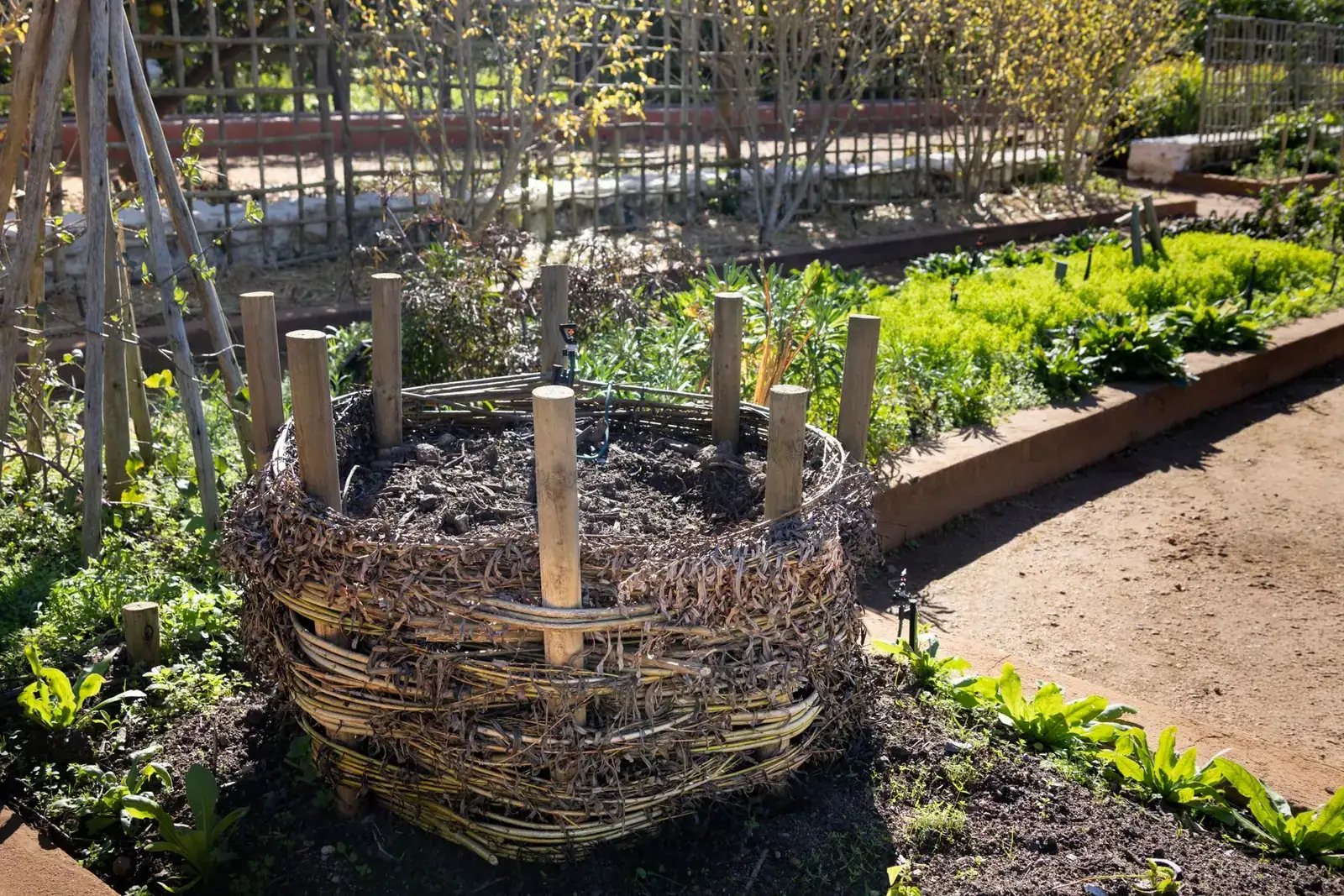
| Bin (built or bought) | Low to moderate | Most backyards | Turning is awkward in closed bins |
| Tumbler | Moderate to high | Small yards, easy turning | Small volume, rarely gets truly hot |
Size matters more than design
The University of Maryland Extension says the ideal bin is at least 3 feet by 3 feet by 3 feet, or 27 cubic feet. Smaller piles lose heat too fast to compost quickly. That is why small tumblers often work more slowly than their marketing suggests.
To kill most pathogens and weed seeds, NC State Extension notes a pile needs to reach over 130°F. Only a large, well-mixed pile gets there.

The recipe
- Mix browns and greens. Browns are dry leaves, straw and shredded cardboard. Greens are food scraps and fresh grass clippings. Use more browns than greens by volume.
- Keep it damp, like a wrung-out sponge.
- Add air by turning the pile every week or two, or by building it with coarse material at the base.
- Chop large pieces. Smaller pieces break down faster.
- Harvest from the bottom when it is dark, crumbly and smells like soil.
A sour or ammonia smell means too many greens or not enough air. Add dry leaves or shredded cardboard and turn the pile.
Where to put it
Pick a level, well-drained spot with partial shade, close enough to the kitchen that you will actually carry scraps out in winter. Check whether your city or HOA has rules about bin placement or requires rodent-resistant designs.
Related reading: Raised Bed Materials: Cedar, Pine, Metal or Treated Wood and What It Takes to Keep Deer Out of a Garden.
Questions people ask
How long does compost take?
A well-managed hot pile can finish in a few months. A cold pile that is rarely turned can take a year or more.
Is a compost tumbler better than a bin?
Tumblers are easier to turn and tidier, but their small volume rarely heats up much. A large bin usually makes more compost.
Can I compost in winter?
Yes. Decomposition slows in the cold, but you can keep adding material and it will pick up again in spring.
What should not go in a backyard compost pile?
Meat, dairy, oily foods, pet waste and diseased plants. They attract pests or carry pathogens a home pile may not destroy.
Where these figures come from
- National Overview: Facts and Figures on Materials, Wastes and Recycling US Environmental Protection Agency · epa.gov
- Composting at Home US Environmental Protection Agency · epa.gov
- How to Make Compost at Home University of Maryland Extension · extension.umd.edu
- Composting, Extension Gardener Handbook NC State Extension · content.ces.ncsu.edu
Figures last checked September 2026.