On this page
This is the most heavily marketed decision in the whole subject, and the marketing runs in one direction, because a walk-in tub is a high-value product sold in living rooms. Here is the comparison without the brochure.
The thing nobody mentions about walk-in tubs
The door has to seal, which means the tub can only be filled once the person is inside it, and it can only be emptied before they get out. So a bath involves sitting in the tub while it fills, and sitting in it while it drains, wet, in the air.
Depending on the model and the plumbing, each of those takes several minutes. Manufacturers sell fast-fill valves and rapid drains to shorten it, and the honest question to ask in a showroom is: how many minutes, in a house with plumbing like mine, and what does the person do while they wait?
For somebody who feels the cold, or has poor circulation, or becomes anxious in enclosed spaces, that is not a detail. It is the whole experience.
What a step-free shower changes
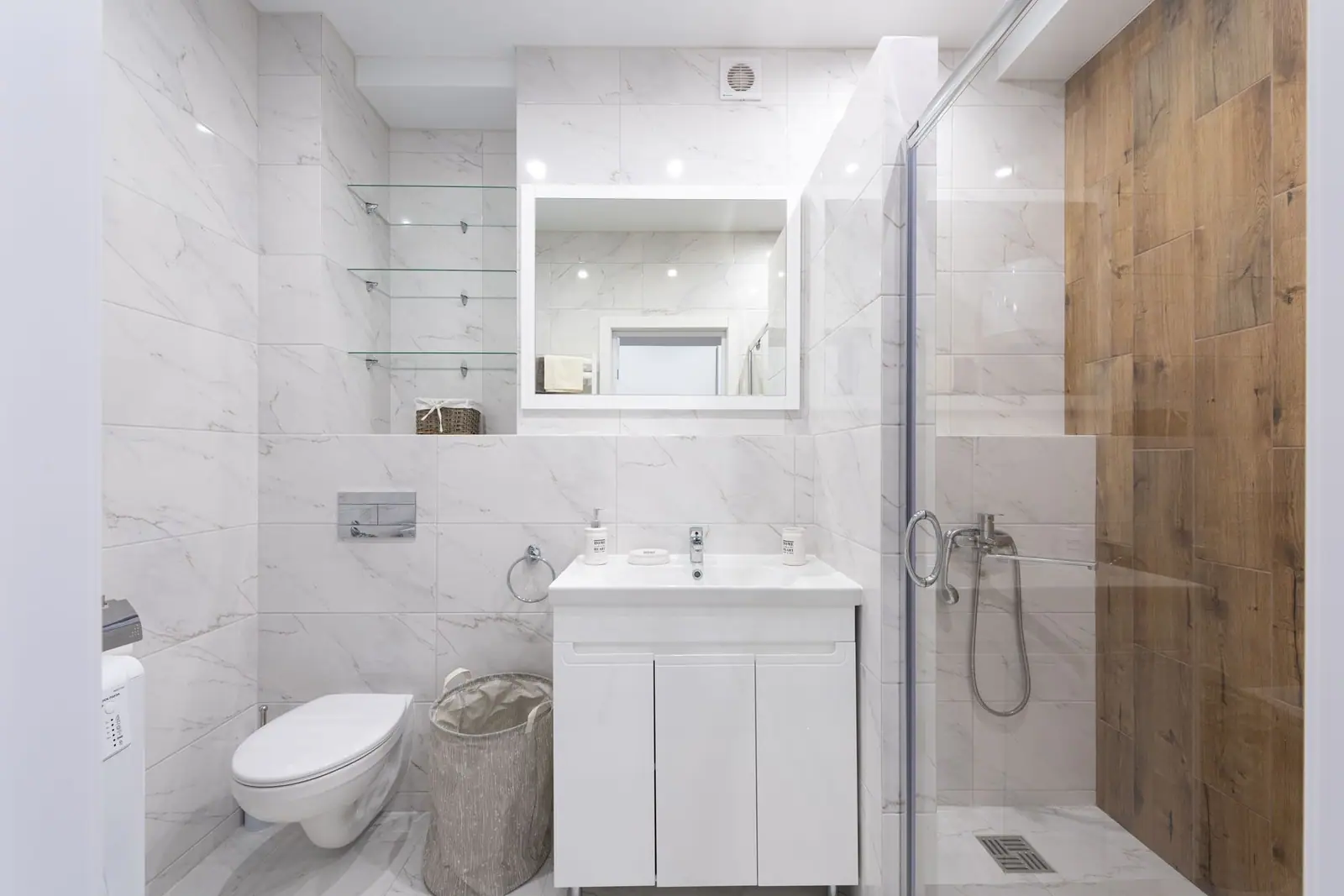
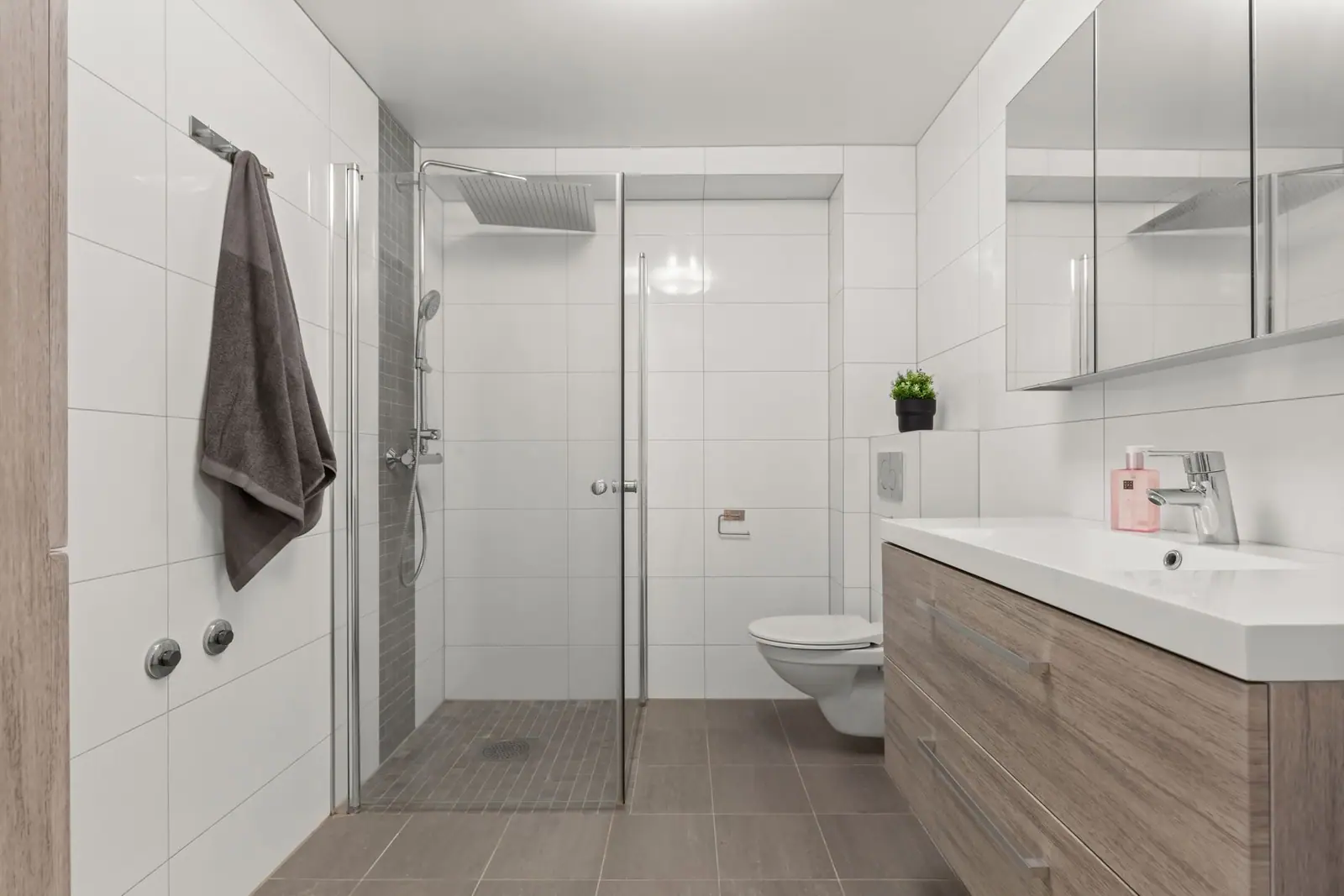
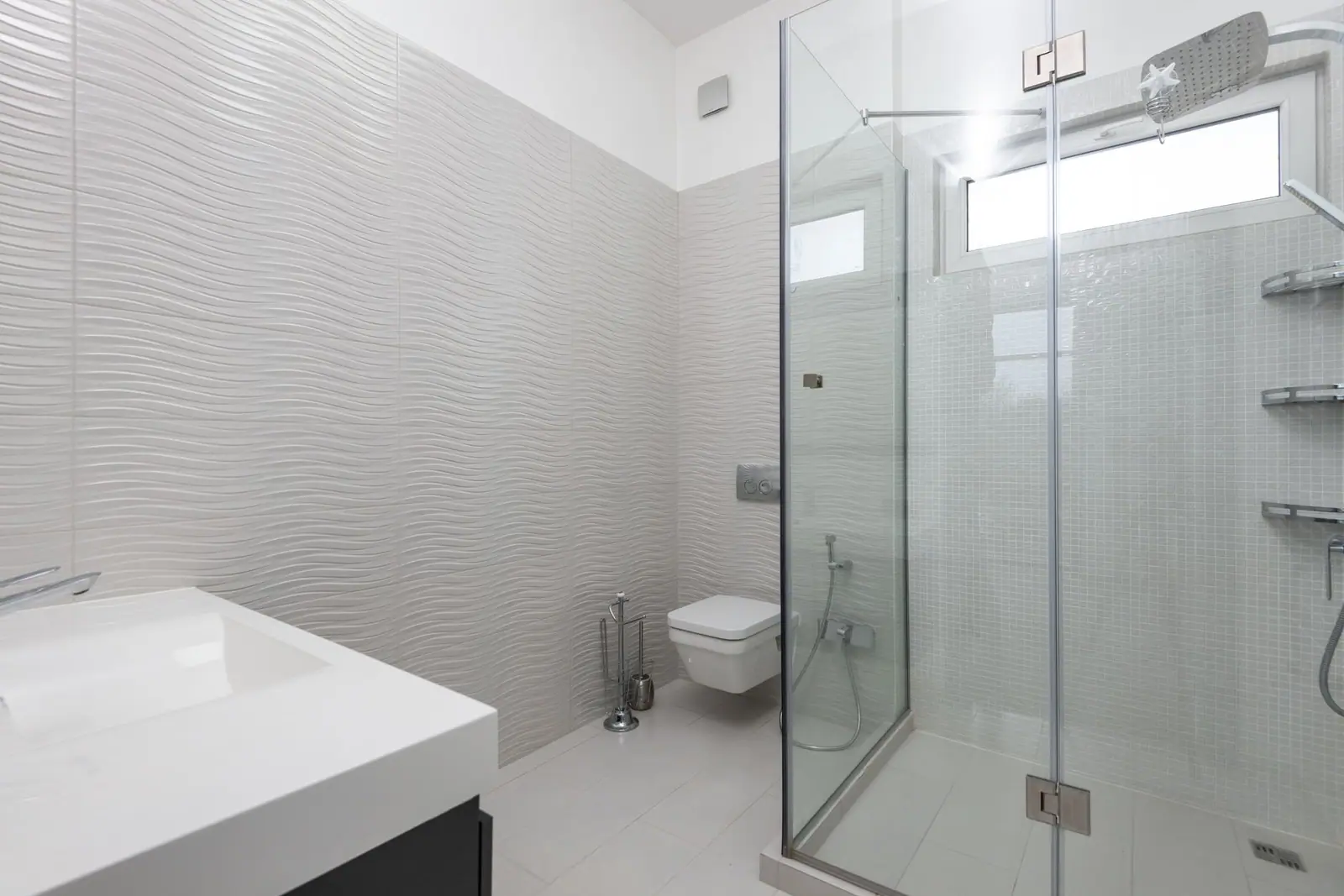
A curbless or low-threshold shower removes the step entirely. That matters because stepping over a tub wall, on a wet surface, while turning, is the specific movement that puts older people on bathroom floors.
It also has two advantages that showrooms rarely mention:
- A helper can get in. If somebody assists with bathing now or may need to later, a walk-in shower with room for a second person is a far better arrangement than any tub.
- A shower chair or a wheelchair can enter if the floor is properly graded, which extends how long the room works as needs change.

The honest comparison
| Walk-in tub | Step-free shower | |
|---|---|---|
| Getting in | Through a door, over a small threshold | Level or near-level |
| Waiting | Fills and drains with you inside | None |
| Helper can assist | Difficult | Yes, with space planned |
| Wheelchair access | No | Possible if graded and sized |
| Typical project | Replace tub, plumbing, electrics for jets | Remove tub, re-grade floor, waterproof, drain |
| Cost | Usually higher | Usually lower |
| Bathing preference | A real bath, for people who want one | A shower only |
| Resale | Divisive | Broadly neutral or positive |
The one honest argument for a walk-in tub is a person who bathes rather than showers, wants to keep doing so, and for whom a full soak is a pleasure or a comfort for aching joints. That is a real preference and it deserves respect. It is just not the same thing as a safety recommendation.
Questions for the showroom, if you are considering a tub
- How long to fill, and how long to drain, with a typical household water heater and pressure?
- What keeps the person warm during both?
- Which way does the door swing, and can it be opened if the person slips against it?
- How high is the seat, and can this person rise from it unaided?
- What happens in a power cut if the drain or the door depends on electricity?
- What does maintenance involve, particularly the door seal, and what does a replacement seal cost?
- Can the tub be removed later without rebuilding the room?
What the money side looks like
Neither option is covered by Medicare, because both are changes to the building rather than equipment the person uses. Where they can be funded, it is usually through a Medicaid waiver for those who qualify, a VA grant for veterans, a local rehabilitation programme, or the family’s own money with a possible medical expense deduction.
That last route is worth remembering here: the IRS lists installing railings and support bars and other bathroom modifications among improvements that usually do not increase a home’s value, so their full cost can count as a medical expense for households that itemise.
Before choosing between products, ask for an occupational therapist’s assessment. They watch the person move in that bathroom and answer questions no showroom can: whether the problem is the step, the standing, the turning, the seat height or the reach. Families who do this almost always spend less, because they buy the thing that was actually needed.
A reasonable order of work
- Grab bars and non-slip surfaces first, because they are cheap and immediate.
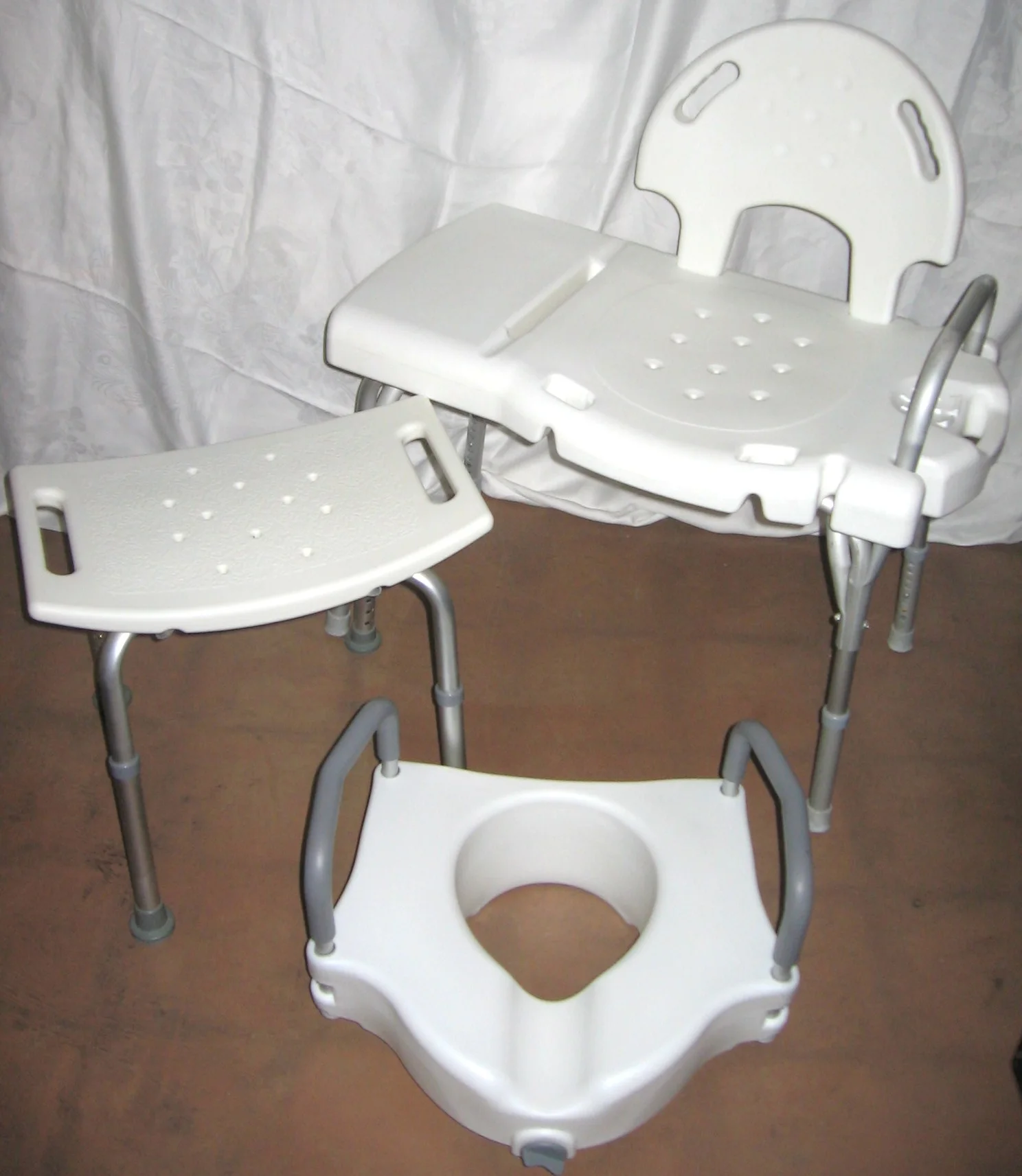
- A shower chair and a handheld shower head, which solve a surprising share of bathing problems for very little.
- A raised toilet seat or a taller toilet, if rising is difficult.
- The step-free shower conversion, when the step is the remaining problem.
- Structural work, such as widening the door or moving a wall, when the room is too small to be used with help.
Most households never need step five, and most of those who are sold a walk-in tub needed steps one to three.
Related reading: The Toilet Is Usually Too Low and The Floor Is the Other Half of a Safe Bathroom.
Questions people ask
Are walk-in tubs worth it?
For somebody who genuinely wants baths and can rise from a seated position, they can be. Understand the trade-off first: the tub fills with you in it and drains before you get out, so bathing includes waiting wet through both, and the project usually costs more than a step-free shower.
Does Medicare pay for a walk-in tub or shower conversion?
No. Medicare covers durable medical equipment used by the person, such as walkers and wheelchairs. Both a walk-in tub and a shower conversion are modifications to the building, which fall outside that benefit.
Is a curbless shower safer than a walk-in tub?
For most people, yes, because it removes the step entirely, which is the movement most associated with bathroom falls, and it leaves room for a helper or a shower chair. An occupational therapist's assessment is the way to confirm what this person needs.
What should I do before spending on a bathroom conversion?
Get an assessment, then do the cheap things first: grab bars fixed into structure, non-slip surfaces, a shower chair, a handheld shower head and, if rising is hard, a taller toilet. Many households find that solves the problem.
Where these figures come from
- Durable medical equipment (DME) coverage Medicare.gov · medicare.gov
- Preventing Falls at Home: Room by Room National Institute on Aging, NIH · nia.nih.gov
- Publication 502, Medical and Dental Expenses Internal Revenue Service · irs.gov
- Home health services coverage Medicare.gov · medicare.gov
Figures last checked September 2026.