On this page
Of all the small indignities of ageing in a house built for somebody else, the toilet is the most frequent. Standing up from a low seat requires quadriceps strength and balance at the same moment, and it happens several times a day, often at night, often in a hurry.
Fixing it is one of the cheapest and most immediately useful changes available.
The options, cheapest first
A raised toilet seat. Clamps or sits on the existing pan, adding a few inches. Costs very little, needs no plumber, and can be removed. Downsides: it can shift, it looks like equipment, and cheap ones are uncomfortable.
A raised seat with arms, or a separate toilet safety frame that surrounds the pan. The arms are frequently what the person actually needs, because pushing up through the hands is easier than rising from the knees. Check the frame is stable on the floor and that it does not block access for a helper.
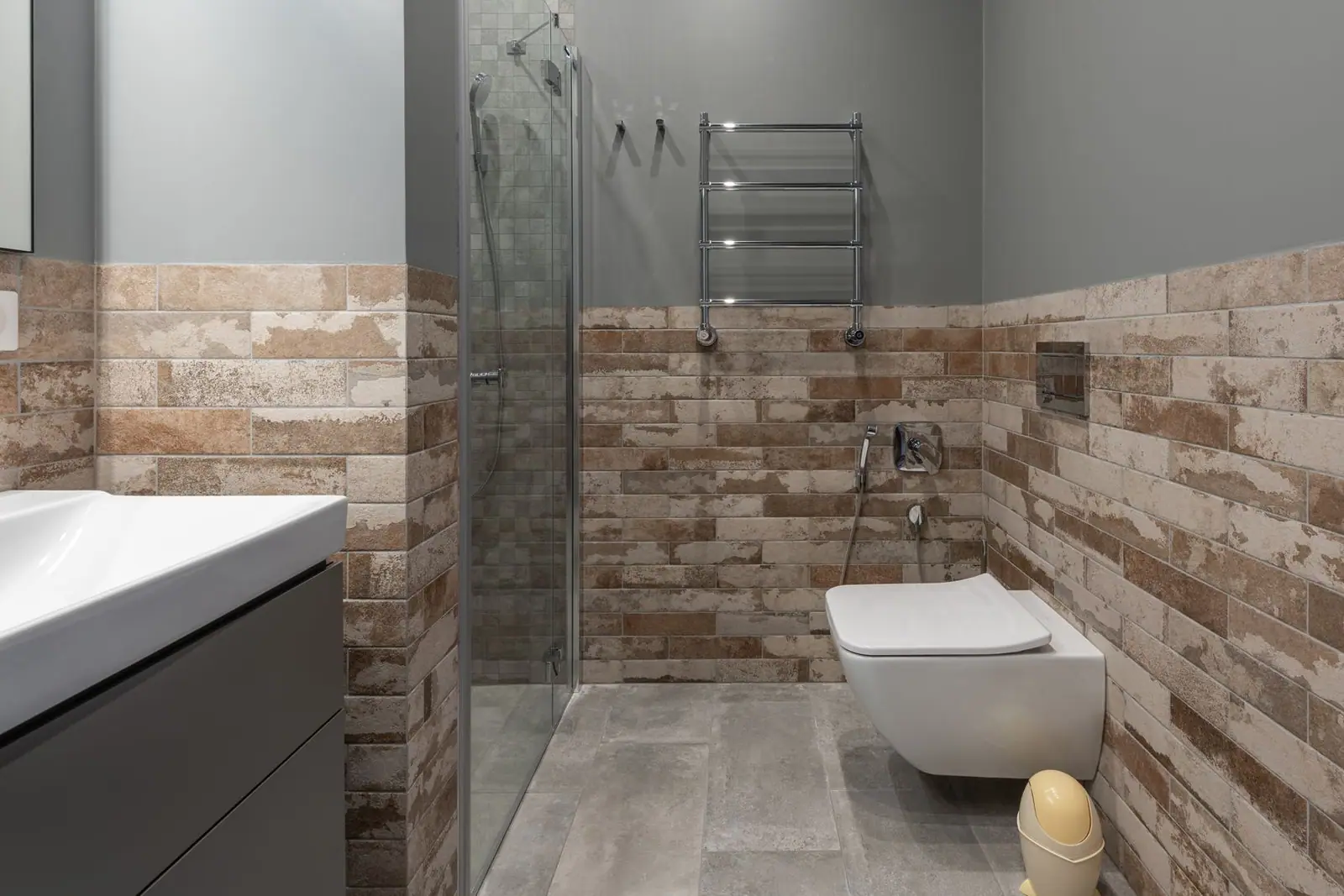
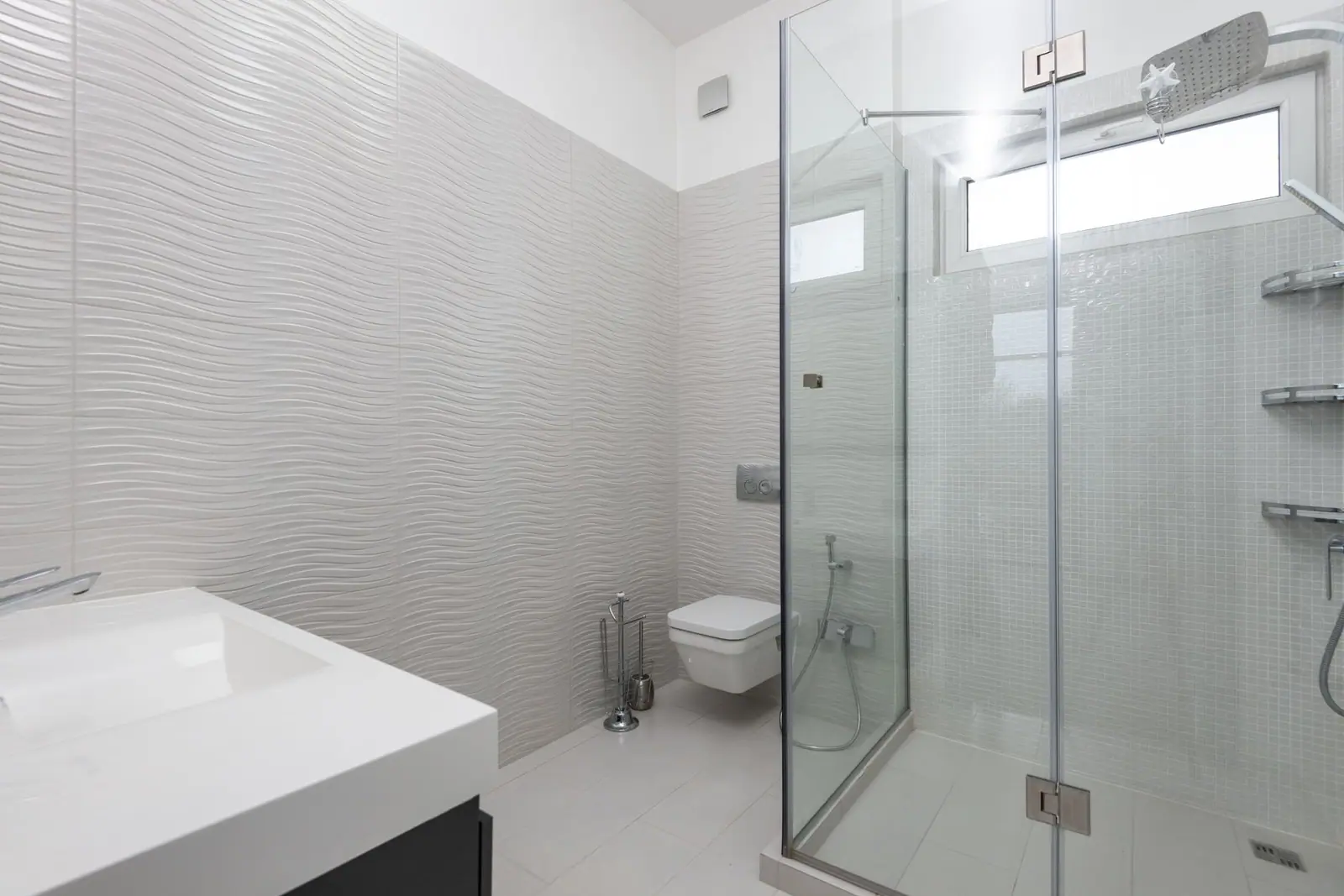
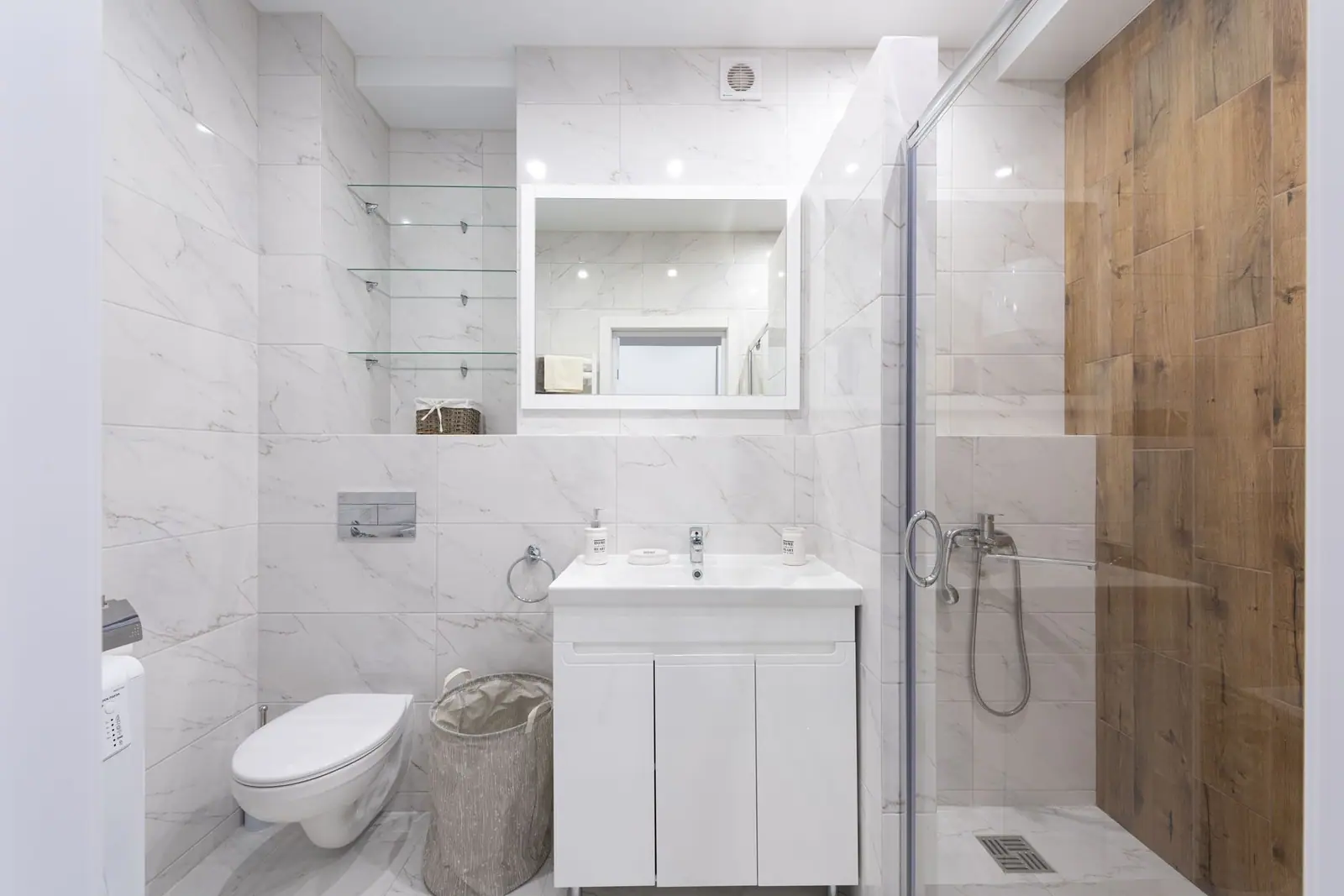
A taller toilet, often sold as comfort height or right height. This is the permanent answer and is worth doing whenever a bathroom is being worked on anyway. It looks like an ordinary toilet, which matters more to people than they admit.
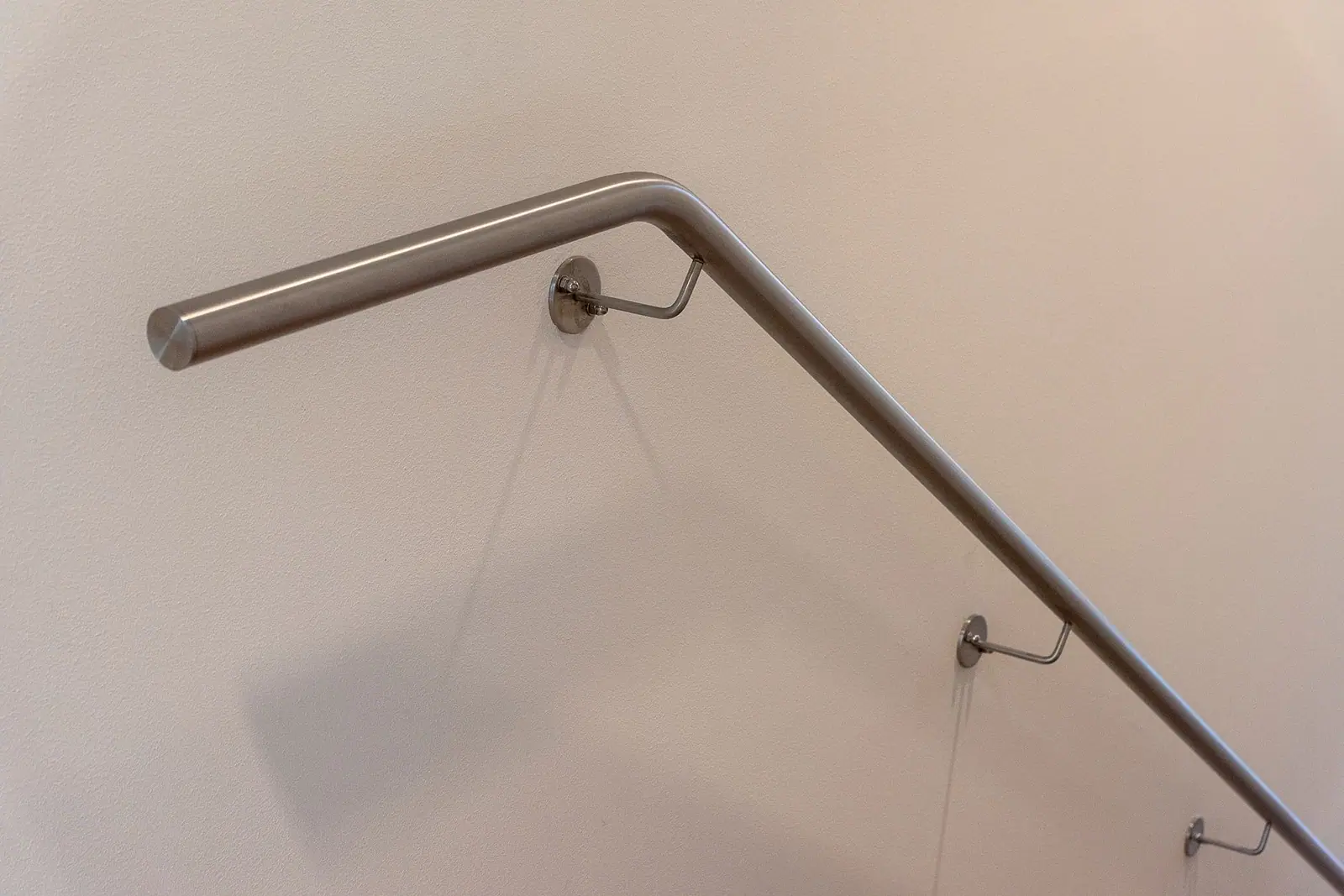
A toilet plus a wall-mounted grab bar beside it, fixed into structure. NIA’s room-by-room guidance names bars near the toilet specifically, and in practice this combination solves most problems.
A bidet seat where hygiene rather than rising is the difficulty. It replaces a task that requires twisting and reach, and it is far cheaper than the care time it can save.
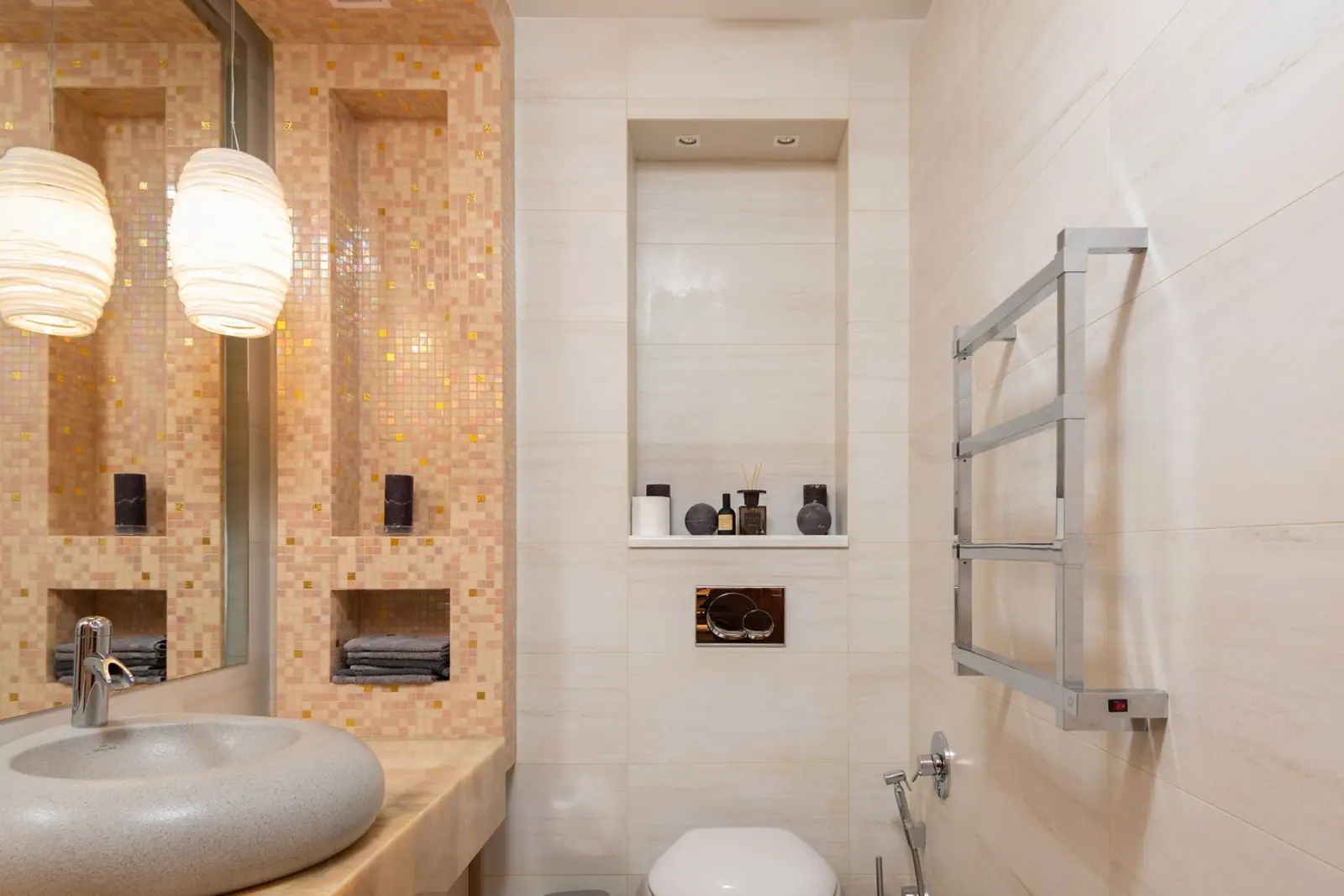
Getting the height right
Comfort-height toilets are taller than the traditional ones, and taller is not automatically better. The test is simple and worth doing with the person present:
- Feet flat on the floor when seated, without stretching.
- Knees roughly level with the hips, not far below them.
- Able to rise using the arms of a frame or a bar, without pulling on a basin or a towel rail.
If the person is short, an over-tall toilet leaves their feet dangling, which is uncomfortable and makes rising harder rather than easier. A footstool is not the answer in a room where somebody may be unsteady.
Never let a basin, a towel rail or a toilet roll holder become a grab bar. They are fixed to the wall for a completely different load, and they fail suddenly. If somebody is using one to steady themselves, that is a direct instruction about where a real grab bar needs to go.
The night route matters as much
Most falls that happen on the way to a toilet happen at night, half awake, in the dark. The fixes are cheap:
- Night lights along the route, which NIA recommends as part of home safety.
- A light switch reachable from the bed, or a motion-activated light.
- A clear path, with no rugs, cables or furniture that has moved.
- A commode beside the bed where the walk is genuinely too far or too risky, which is the one item in this article that Medicare’s equipment benefit may cover with a doctor’s order.
That last point is worth knowing: the commode is equipment a person uses, so it is treated differently from the building work.
Small things that help more than they cost
- A handheld shower head is not a toilet item but solves adjacent problems.
- Lever handles on the bathroom door, because a round knob is hard with weak hands.
- A door that opens outwards, or a sliding door, so somebody who falls against it does not block it.
- A lock that can be released from outside with a coin or a screwdriver.
- Clear floor space on at least one side of the toilet for a helper to stand.
Those five cost almost nothing during any bathroom job and are close to impossible to add afterwards without opening the room again.
Related reading: Plan the Bathroom Once, Not Three Times and Walk-In Tub or Step-Free Shower: Decide Properly.
Questions people ask
What height should a toilet be for an older person?
High enough that they can sit with feet flat on the floor and knees roughly level with the hips, and rise using arms rather than knees. Comfort-height pans suit many people, but a toilet that is too tall for a short person makes rising harder, so test with the person present.
Are raised toilet seats safe?
They are a reasonable first step if they fit securely and do not shift. Models with arms help more than plain ones, because pushing up through the hands is easier than rising from the knees. A taller pan plus a wall-mounted grab bar is the more stable long-term answer.
Does Medicare pay for a bedside commode?
A commode is equipment the person uses rather than a modification to the building, so it can fall under the durable medical equipment benefit with a doctor's order, subject to the usual supplier rules and cost sharing. Building work such as a taller toilet is not covered.
How do I make night trips to the bathroom safer?
Light the route with night lights, put a switch within reach of the bed or use motion-activated lighting, keep the path clear of rugs and cables, and consider a bedside commode where the walk is genuinely too risky.
Where these figures come from
- Preventing Falls at Home: Room by Room National Institute on Aging, NIH · nia.nih.gov
- Six Tips to Help Prevent Falls National Institute on Aging, NIH · nia.nih.gov
- Durable medical equipment (DME) coverage Medicare.gov · medicare.gov
Figures last checked September 2026.