On this page
Opening a pool badly costs a week and a lot of chemicals. Opening it well is the same set of tasks in a different order.
Key figures
- 7.0 to 7.8 CDC recommended pool pH range
- 1 ppm CDC minimum pool free chlorine without stabilizer
- 2 ppm CDC minimum pool free chlorine with stabilizer
The order that works
1. Clean the cover, then remove it. Pump the standing water off, sweep the debris, and only then pull the cover back. Everything you skip here goes into the pool and becomes chlorine demand.
2. Remove plugs and reassemble. Put back the drain plugs, the baskets, the ladder and any equipment removed for winter. Open valves before starting the pump, which is the step that breaks things when it is missed.
3. Top up the water to mid-skimmer. Too low and the pump runs dry.
4. Start circulation and check for leaks. Prime the pump, watch the filter pressure, and check the equipment pad while it is easy to see.
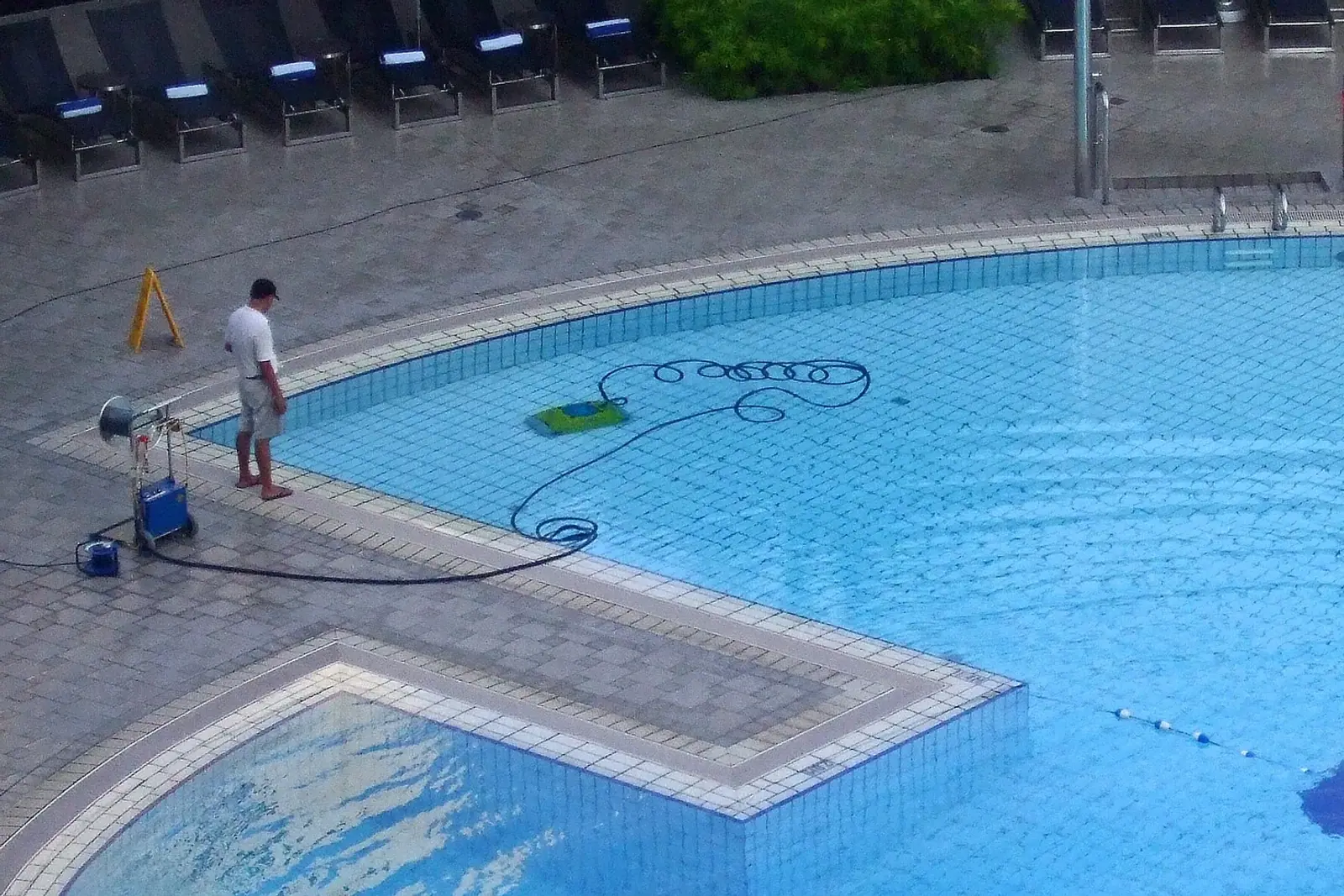
5. Clean the pool properly. Skim, brush the walls and floor, vacuum to waste if there is a lot of debris.
6. Test everything. pH, alkalinity, hardness, stabiliser and chlorine.
7. Adjust in order. Alkalinity first, since it steadies pH, then pH into the CDC range of 7.0 to 7.8, then chlorine.
8. Shock, at dusk. Sunlight destroys unprotected chlorine, so evening is more efficient.
9. Run the filter continuously for at least the first 24 to 48 hours, and clean or backwash it when pressure rises.
10. Retest before anyone swims. Free chlorine at at least 1 ppm in an unstabilised pool, at least 2 ppm where cyanuric acid is used.
Shocking a pool with the pH at 8 wastes most of the chemical. Half an hour spent getting pH into range first saves a second round of shock and several days of frustration.
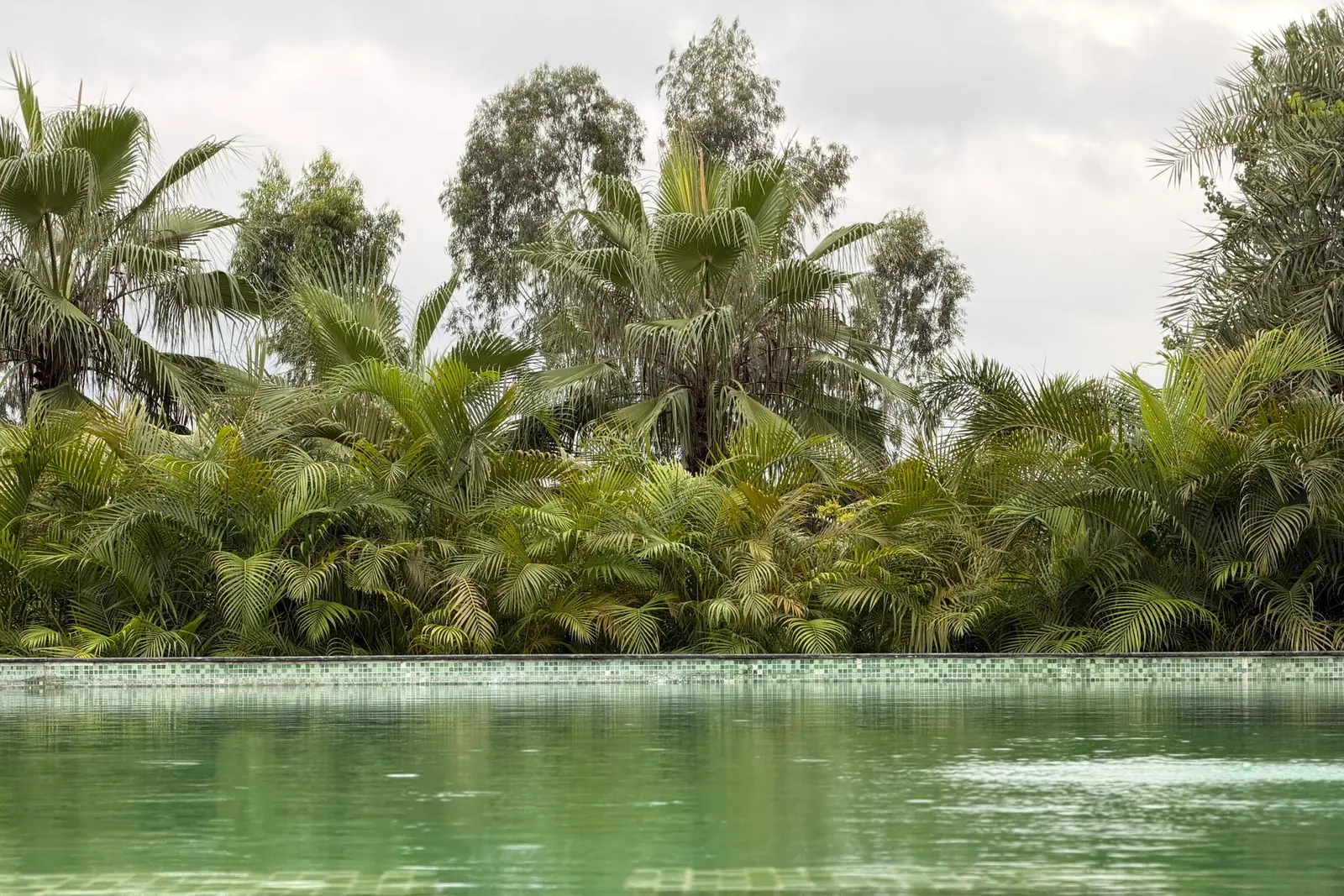
If the water is already green
Green means algae, and algae means chlorine demand that a normal dose will not satisfy.
- Brush every surface, especially corners and steps, so the chlorine can reach what is growing.
- Balance pH first.
- Shock, and be prepared to repeat it. A heavy bloom can take several doses.
- Filter continuously and clean the filter frequently. Dead algae is what makes the water cloudy grey, and that is a filtration job.
- Be patient: clear water typically takes a few days, not an afternoon.
If the bottom is not visible, it can be cheaper to drain and refill than to chase it with chemicals, particularly if stabiliser is also high. That is a decision to make deliberately, not after a fortnight of buying shock.
Closing thought for the end of the season
Everything above is easier the following spring if the pool is cleaned and balanced before it is closed. An autumn hour buys a spring week.
Related reading: Stabilizer Protects Chlorine and Then Handcuffs It and A Pool Service Quote Needs More Than a Visit Schedule.
Questions people ask
In what order should I add pool chemicals when opening?
Alkalinity, then pH into the 7.0 to 7.8 range, then chlorine, then shock. Adjusting chlorine before pH wastes chemical.
How long does it take to clear a green pool?
Usually several days with continuous filtration and repeated shocking. Brushing first matters, because chlorine has to reach the algae.
Should I shock in the morning or evening?
Evening or dusk. Sunlight destroys unstabilised chlorine quickly, so overnight gives it far more working time.
When is it safe to swim after opening?
After the chlorine has fallen back to the normal range and pH is in range. Test rather than guess, and follow the product label for any shock used.
Where these figures come from
- Home Pool and Hot Tub Water Treatment and Testing Centers for Disease Control and Prevention · cdc.gov
- Water Savings in Pools and Spas Building America Solution Center, US Department of Energy · basc.pnnl.gov
Figures last checked September 2026.