On this page
Once the fence is right, the question becomes what else is worth buying. The honest answer is that each additional layer catches a different failure, and none of them replaces the fence.
The CPSC lists the barrier options plainly: a fence or wall, door alarms for the house, and a power safety cover over the pool.
Door alarms
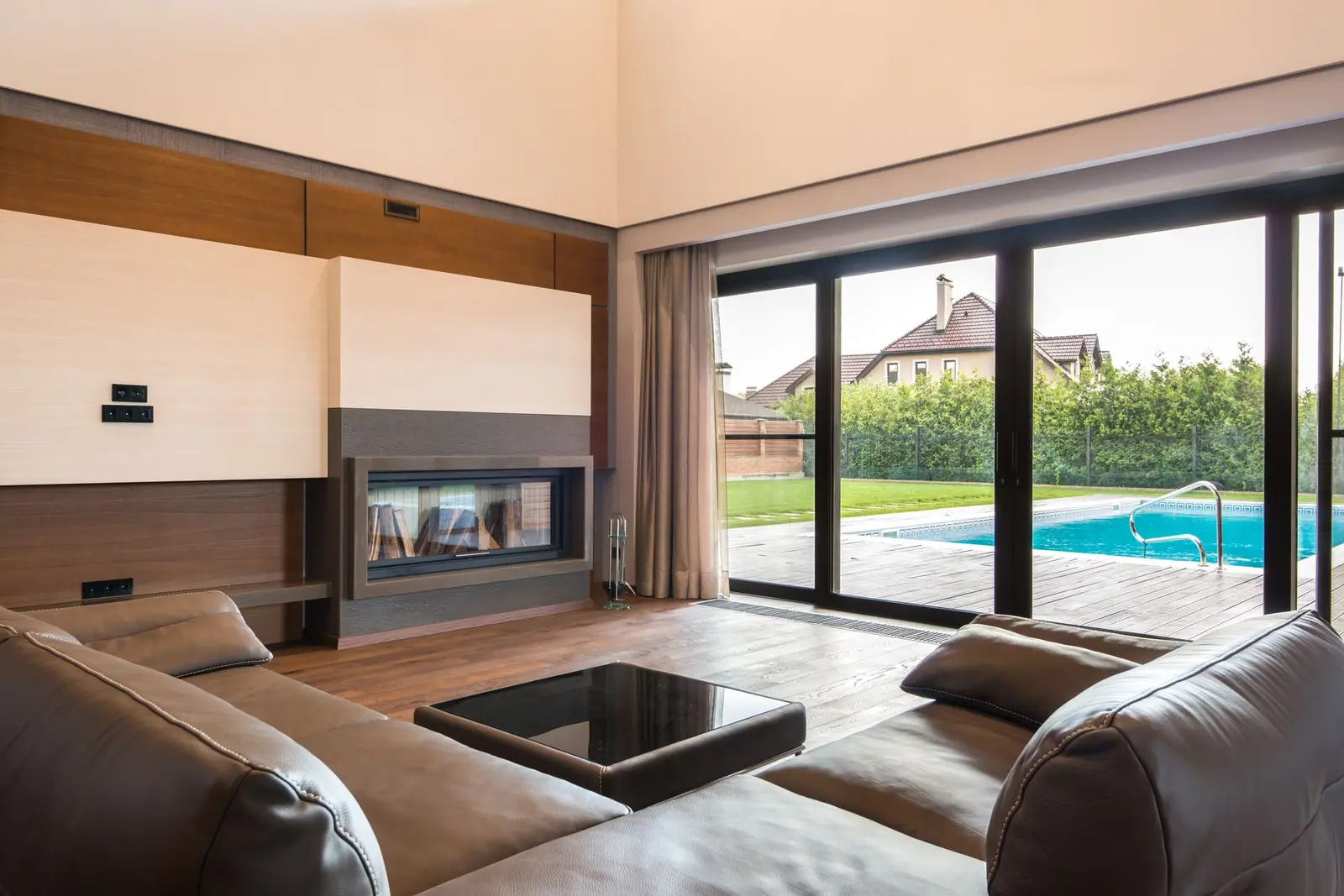
The case for them is narrow and strong. If the house forms one side of the barrier, every door to the pool area is a hole in it. The CPSC’s guidance is that all doors allowing access to the pool should have an audible alarm that sounds when the door or screen is opened.
Practical points:
- The alarm must be loud enough to hear from anywhere in the house.
- The adult bypass switch should be out of reach, at least 54 inches above the threshold in the CPSC’s guidance.
- Test it monthly, and replace batteries on a schedule rather than when it chirps.
- It does not stop the child, it tells you. That only helps if someone is home and responds immediately.
Power safety covers
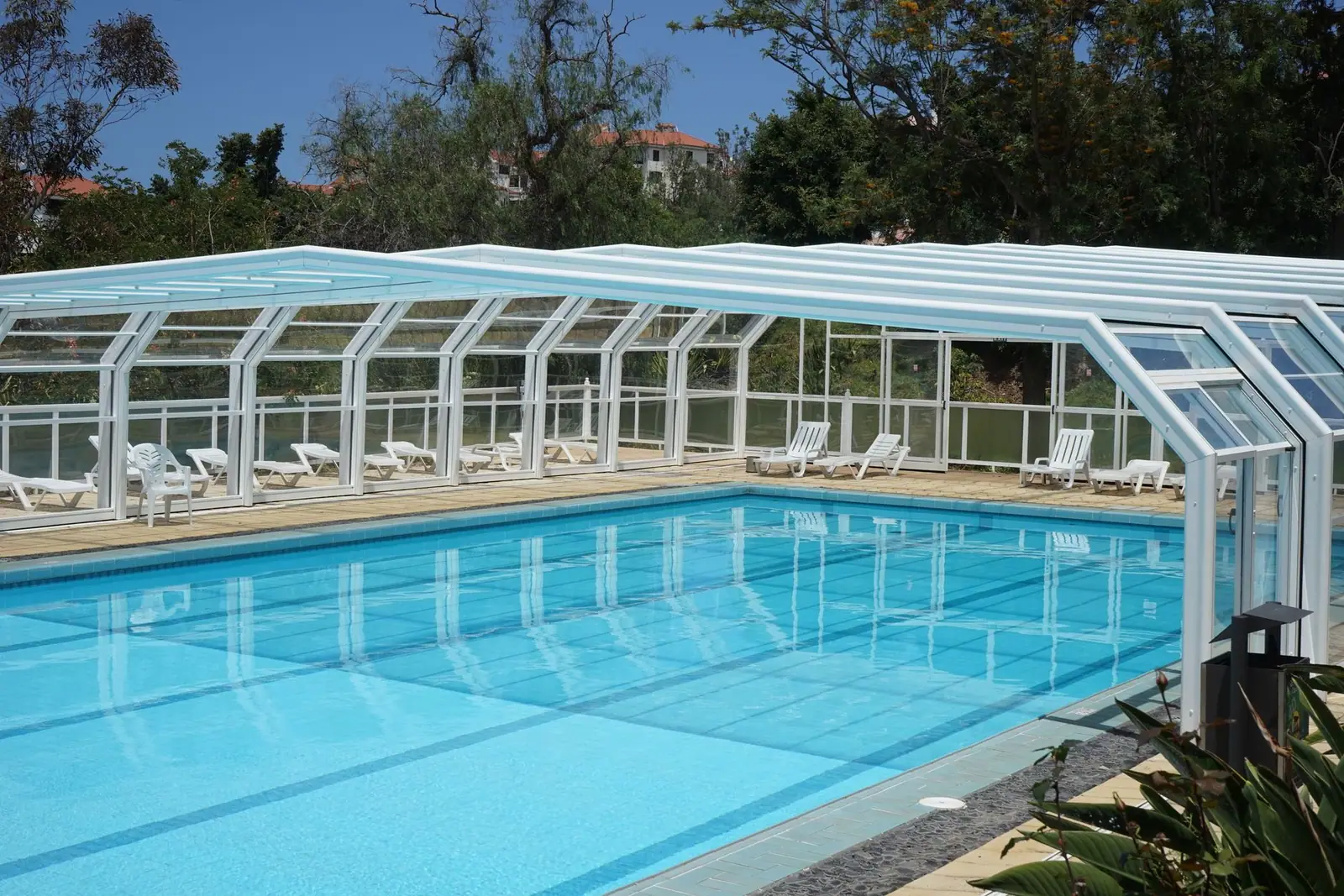
A motorised cover that seals the pool surface is genuinely a barrier: it holds weight, it cannot be pushed aside by a child, and it removes the water from reach. It also cuts evaporation and heat loss, so it pays for part of itself.
Its weakness is the obvious one. It protects when it is closed, and a cover that is left open on a hot afternoon protects nothing. If the habit is not reliable, the fence is what is actually protecting your family.
A floating solar blanket or a lightweight winter cover will not hold a child. It can also hide them from view and make rescue harder. Treat those as energy and debris tools only.
Surface and immersion alarms
Surface wave alarms float or mount in the pool and sound when the water is disturbed. They are affected by wind and by pets, and false alarms are the enemy: an alarm people switch off because it cries wolf is worse than no alarm.
Wearable immersion alarms clip to a child and sound when submerged. They work only when worn, which means they suit a specific situation, like a pool party with known children, rather than everyday protection for a toddler.
Neither is a substitute for the barrier, and both are worth having only if you will actually maintain them.
The order to add layers
- Fence and gate first. Everything else is an addition to this, not an alternative.
- Door alarms if the house forms part of the barrier.
- A power safety cover if the budget allows, which also saves energy.
- Supervision rules, written down: a named water watcher whenever anyone is in the pool.
- CPR training for the adults in the house.
Related reading: What a Pool Fence Actually Has to Do and Where Child Drownings Actually Happen.
Questions people ask
Is a pool alarm as good as a fence?
No. An alarm notifies, a fence prevents. The CPSC treats alarms as one layer among several, with a barrier as the foundation.
Do safety covers count as a barrier?
A power safety cover does, while it is closed. Solar blankets and lightweight winter covers do not and can make an accident worse.
Are wearable pool alarms worth it?
They can be useful in a specific situation such as a gathering, since they only work when worn. They do not protect a toddler who reaches the pool unnoticed at another time.
How often should I test door alarms?
Monthly, along with the gate self-latch test, and change batteries on a fixed schedule rather than waiting for a low-battery chirp.
Where these figures come from
- Safety Barrier Guidelines for Residential Pools US Consumer Product Safety Commission, Pool Safely · poolsafely.gov
- Pools and Spas safety guide US Consumer Product Safety Commission · cpsc.gov
Figures last checked September 2026.