On this page
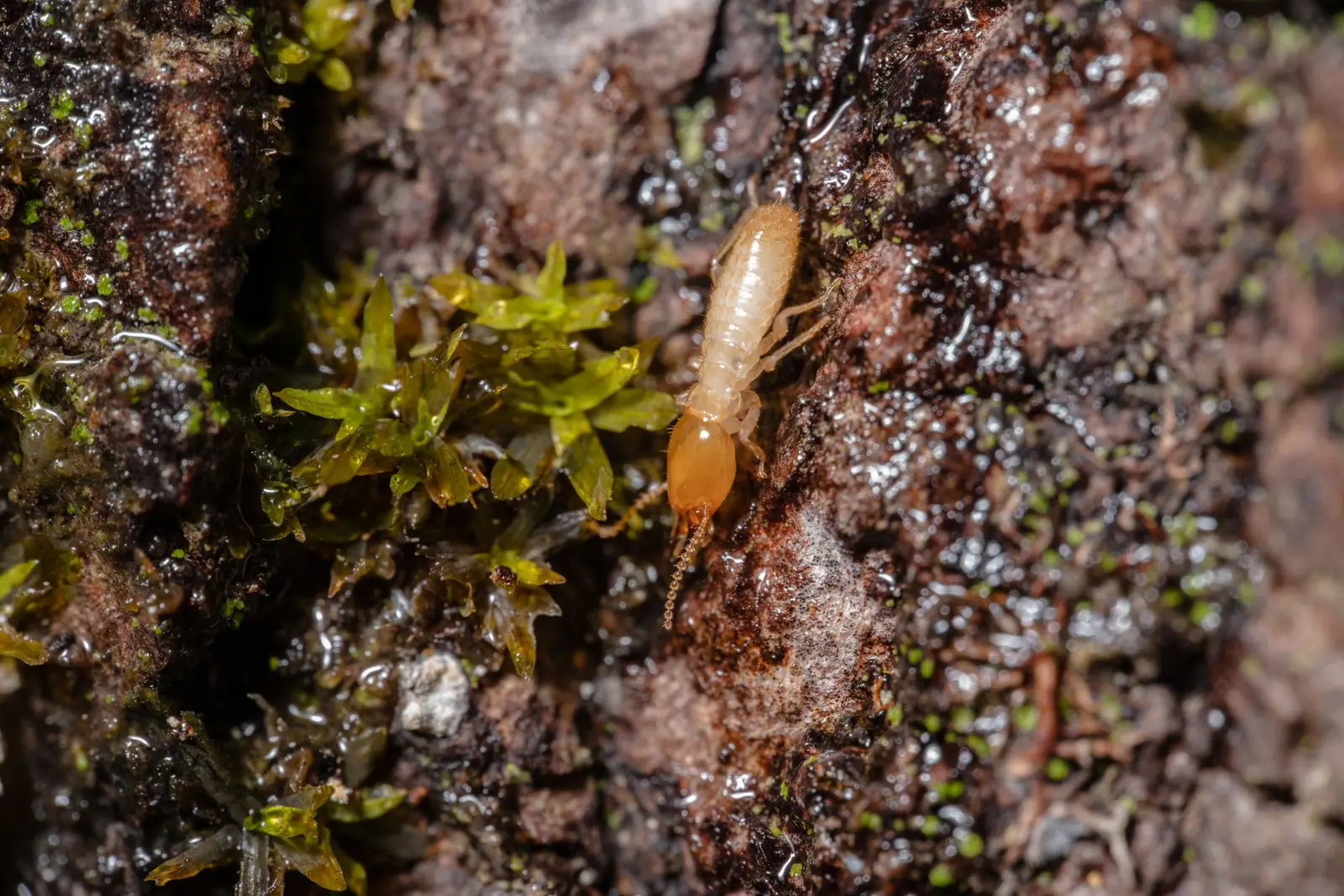
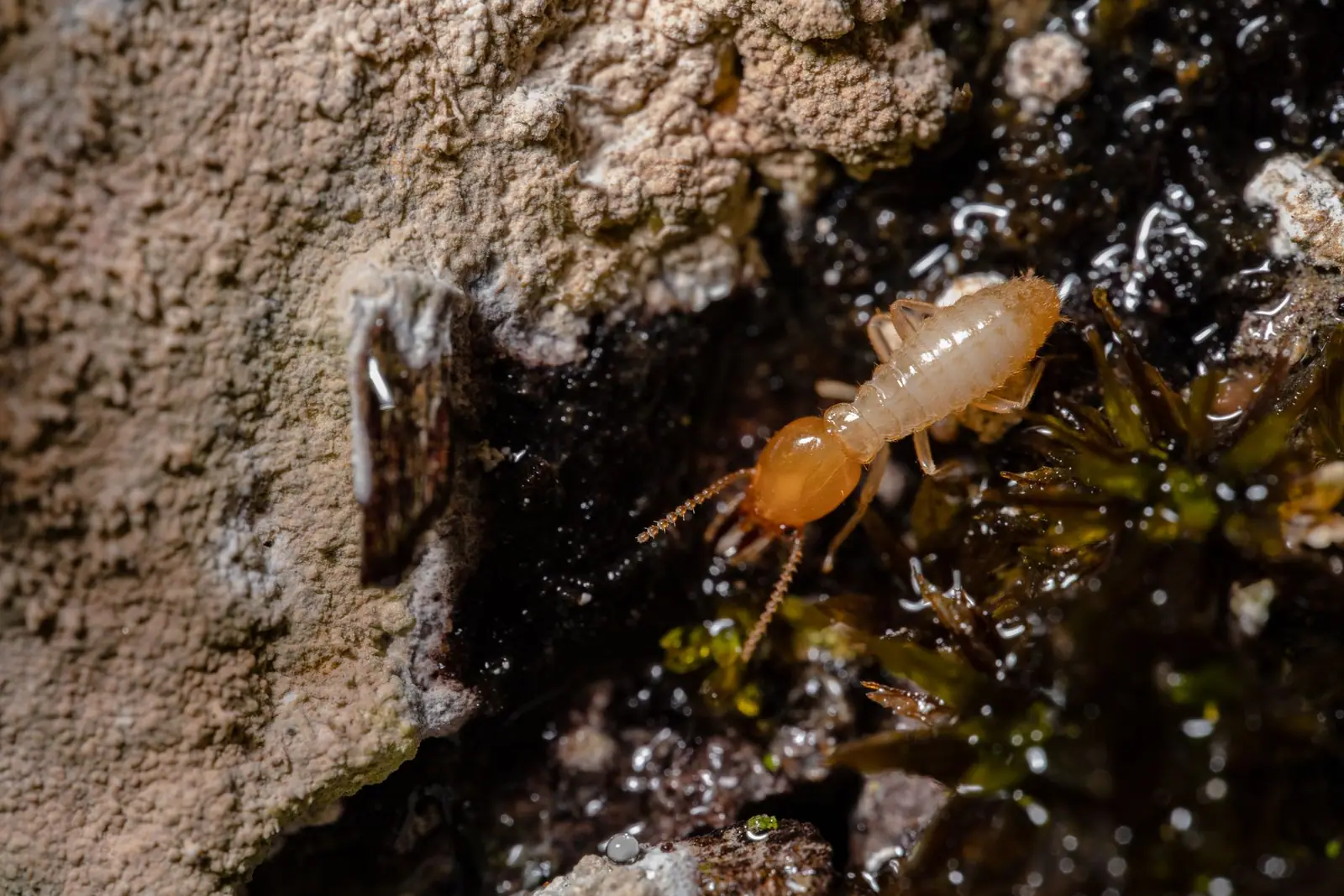
The EPA lists three kinds of termite that matter to American homeowners: the native subterranean termite, which is the most common across most of the country, the smaller drywood termite, and the invasive Formosan termite. They look similar to anyone who is not an entomologist. They live completely differently, and they are treated completely differently.
Getting this right before the quote is the difference between paying for the right job and paying for a very professional treatment of the wrong problem.
Key figures
- 120°F Professional drywood-termite treatment minimum wood temperature
- 33 minutes Minimum time wood must hold that temperature
First, is it even a termite?
A swarm by the window in spring is the usual first sighting, and a good share of those swarms are ants. UC IPM’s comparison is the one to use, because you can do it with a phone camera.
| Feature | Termite | Ant |
|---|---|---|
| Antennae | Straight and beaded | Elbowed, bent like a knee |
| Waist | Broad, the body looks like one piece | Narrow and pinched |
| Wings | Two pairs of equal length | Hind wings much shorter than the front pair |
Shed wings are a clue in themselves. Termite swarmers drop their wings soon after landing, so piles of identical wings on a sill or in a light fitting point strongly toward termites.
Native subterranean termites
These live and breed in the soil, sometimes many feet down, and they need moisture. UC IPM describes how they reach wood above ground: shelter tubes made of soil and debris, running up foundation walls, across piers and inside hollow blocks.
What you see:
- Mud tubes about pencil width on the foundation, in the crawl space or along a basement wall.
- Swarms on warm, sunny days after spring or fall rain, often in the afternoon for the common Reticulitermes species, according to UC IPM.
- Damaged wood that follows the soft grain and is packed with soil.
How they are treated: a soil-applied liquid barrier or a bait system around the building. Both work because the colony lives in the soil and has to cross the ground to reach the house.
Drywood termites
UC IPM’s distinction is simple: drywood termites nest in wood, not in soil, and do not need soil contact. They are found mainly in the warm southern tier and the coast, and they can arrive in furniture, framing or firewood.
What you see:
- Pellets. Their droppings are the giveaway. UC IPM describes them as fecal pellets with six hexagonal sides, which are diagnostic for drywood termites. They collect in small piles below infested wood.
- Kick-out holes, tiny openings of less than two millimeters through which the termites push the pellets out.
- Swarmers indoors, sometimes with no mud tube anywhere.
How they are treated: nothing that touches the soil will reach them. The choice is between localized treatment of galleries somebody has found and whole-structure treatment, fumigation or heat, for the galleries nobody has found. UC IPM recommends getting at least three inspection reports before choosing, and its published heat specification is all wood in the structure held at a minimum of 120°F for at least 33 minutes.
Formosan subterranean termites
The University of Florida’s profile explains why this one worries people. A single colony can contain several million individuals, and soldiers make up ten to fifteen percent of it against one or two percent in native species. In the United States it is found in Hawaii and across the southeast, north along the Atlantic coast to Virginia, inland as far as Tennessee, and in southern California.
What you see:
- Carton nest, a hard blend of soil, chewed wood, saliva and feces packed into wall voids, under sinks, and between floors. This is how Formosan colonies live above ground without returning to the soil.
- Huge evening swarms. In Florida, flights run from early April to late June, shortly after sunset, and can contain tens of thousands of individuals.
- Hollowed trees near the house, since they also feed on the dead wood at the center of living trees.
How they are treated: as subterranean termites, with soil treatment or baits, plus finding and treating any above-ground carton nest. A quote in a Formosan area that ignores the walls and the trees is incomplete.
The single most useful thing you can do before calling anybody is collect evidence. Put a few swarmers, shed wings and any pellets in a sealed bag or a jar with rubbing alcohol, and photograph mud tubes before anyone breaks them. Your county’s cooperative extension office can identify specimens, and when three companies come to quote you will know whether they are describing the insect you actually have.
Why the wrong identification costs money
- Drywood misread as subterranean: you pay for drilling and soil treatment around a house whose colony lives in the attic rafters.
- Subterranean misread as drywood: you pay for a localized spot treatment of one piece of wood while the colony keeps arriving from the soil.
- Formosan treated as native: the soil is done, the carton nest in the wall stays active.
- Ants treated as termites: you buy a multi-year termite contract for a colony that a bait costing a few dollars would have handled.
Questions to put to every inspector
- Which species is this, and what evidence did you use?
- Did you find mud tubes, pellets, carton or shed wings, and where?
- Is the colony in the soil, in the wood, or both?
- If it is drywood, how many galleries did you find and how confident are you that you found them all?
- Would your treatment change if it turned out to be a different species?
Related reading: What a Termite Treatment Really Costs and A Wood Beetle Quote Needs Evidence of Active Damage.
Questions people ask
How can I tell a flying ant from a termite?
Ants have elbowed antennae, a narrow pinched waist, and hind wings much shorter than their front wings. Termites have straight beaded antennae, a broad waist, and two pairs of wings of equal length. Piles of identical shed wings point toward termites.
What do drywood termite droppings look like?
Small pellets with six flat sides, which UC IPM describes as diagnostic for drywood termites. They collect in piles under infested wood after being pushed out through tiny kick-out holes.
Are Formosan termites worse than native termites?
Their colonies are far larger, holding several million individuals according to the University of Florida, and they can build carton nests inside walls above ground. That means treatment has to look beyond the soil.
Do all termites need treatment of the soil?
No. Subterranean and Formosan termites do, because their colonies connect to the soil. Drywood termites live entirely inside wood, so soil treatment does nothing and the options are localized treatment or whole-structure fumigation or heat.
Where these figures come from
- Termites: How to Identify and Control Them US Environmental Protection Agency · epa.gov
- Subterranean and Other Termites Management Guidelines University of California Statewide IPM Program · ipm.ucanr.edu
- Drywood Termites Management Guidelines University of California Statewide IPM Program · ipm.ucanr.edu
- Ants Distinguished from Termites University of California Statewide IPM Program · ipm.ucanr.edu
- Formosan Subterranean Termite, Coptotermes formosanus University of Florida IFAS Extension · ask.ifas.ufl.edu
Figures last checked September 2026.