On this page
Every experienced gardener has a story about the year they planted twelve zucchini. Seed packets hold enough for a small farm, and it feels wasteful not to use them.
The better starting point is your kitchen. Figure out what your household actually eats, then plant enough of that, and a little extra.
Key figures
- 1 to 2 plants Suggested zucchini start for a household
- 2 to 3 plants Suggested tomato start per person
- two or three weeks Gap between small sowings for succession crops
Start with a weekly eating list
Write down the vegetables your household eats in a normal summer week and roughly how much. Then decide whether you want to cover all of that, or just the items that are expensive or taste much better homegrown.
That list turns into a plant count. The figures below are common starting points for fresh eating. Adjust after your first season.
| Crop | Starting point for fresh eating |
|---|---|
| Tomatoes | 2 to 3 plants per person |
| Peppers | 1 to 3 plants per person |
| Zucchini and summer squash | 1 to 2 plants for the whole household |
| Bush beans | A few feet of row per person, sown twice |
| Lettuce | A short row per person, resown every few weeks |
| Carrots and beets | A few feet of row per person, sown in batches |
These are rough first-year figures of the kind most garden planners use, not measurements. Yields swing widely with climate, variety and care, so write down what you grew and what you ate, and adjust the next year.
Crops that are easy to overplant
- Zucchini and summer squash. A single healthy plant can produce several fruits a week at peak.
- Cherry tomatoes. One or two plants keep a family in salads.
- Hot peppers. A plant or two covers most households.
- Mint. Plant it in a pot or it takes over.
Crops that are easy to underplant
- Carrots and beets. Small, and you need many for a meal.
- Salad greens. They are cut repeatedly, but bolt in heat, so you need successive sowings.
- Bush beans. Picking stretches for a few weeks, then plants slow down.
- Onions and garlic, if you cook with them every day.

Succession planting beats big plantings
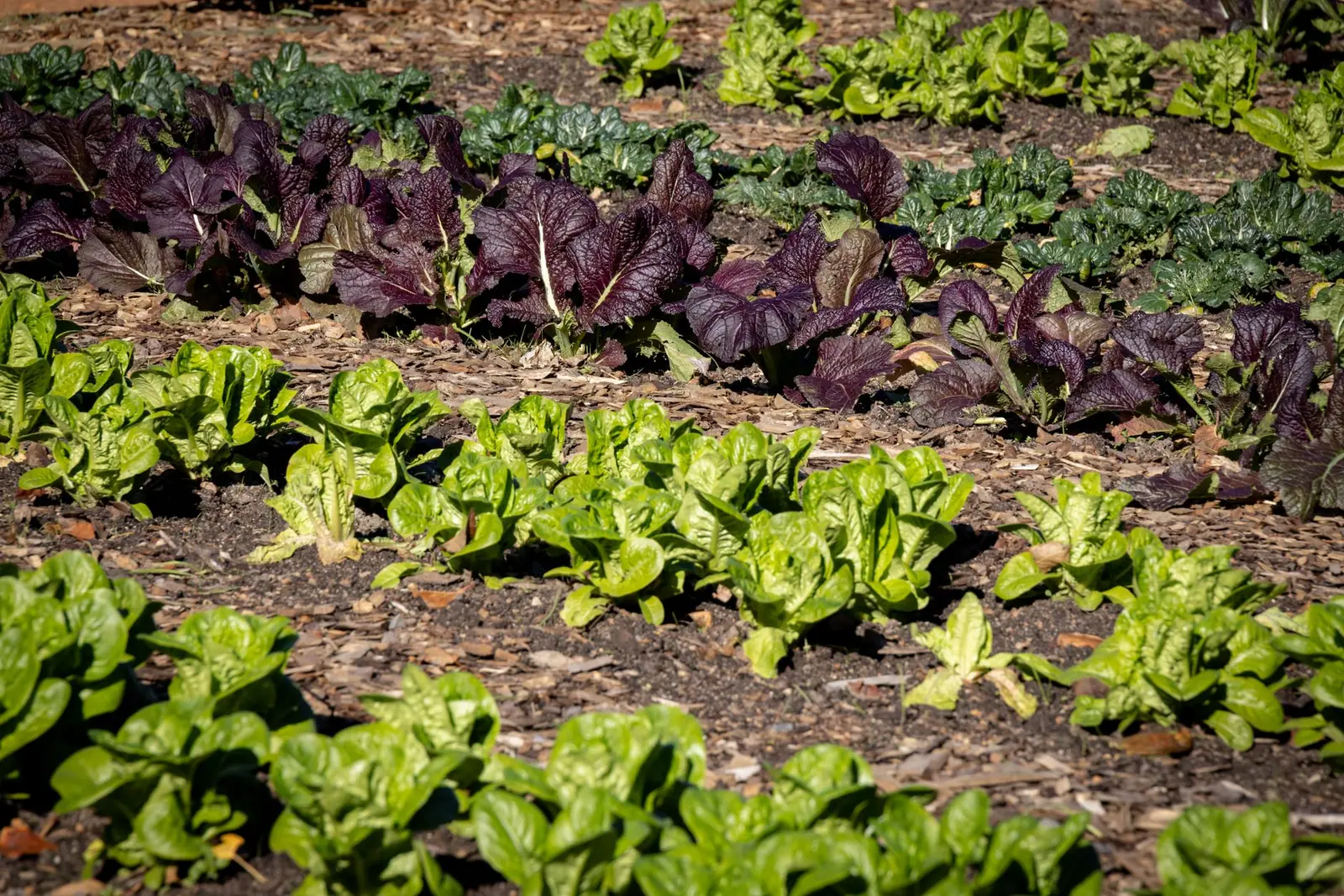
Instead of sowing all your lettuce at once, sow a short row now and another in two or three weeks. The same works for radishes, beans, carrots and cilantro. You get a steady supply instead of more than you can eat, followed by nothing.
Canning and freezing take much larger harvests than fresh eating. Grow the crop you want to put up in a block, and plan roughly double what you would for the table.
Related reading: Your Hardiness Zone Won’t Tell You When to Plant and Raised Beds or In-Ground Rows: Which Garden to Build.
Questions people ask
How big should a vegetable garden be for a family of four?
A few hundred square feet covers a good share of summer produce for fresh eating. Start smaller than you think; a well-kept small garden outproduces a neglected big one.
How many tomato plants do I need?
Two or three per person is a common starting point for fresh eating. Add more if you plan to make sauce.
What is succession planting?
Sowing small amounts of the same crop every few weeks so harvests are spread out instead of arriving all at once.
What should I do with too much zucchini?
Pick fruit small, when it is tender, and share or freeze it grated. Next year, plant one or two fewer.